



Many people go years without realizing their body is running low on Vitamin B12. Because this nutrient supports nerve function, red-blood-cell formation, DNA synthesis, and brain health, even a mild shortage can create symptoms that seem unrelated at first. What makes Vitamin B12 deficiency tricky is that it often develops slowly, blending into daily life until the effects become significant.
In this article, you’ll explore the science-backed signs, why they occur, and how your body tries to warn you long before the problem becomes severe. Whether you’re concerned about your own health or supporting someone you care about, understanding these clues can make an enormous difference in early detection and treatment.
What Causes Vitamin B12 Deficiency?
Dietary gaps and absorption issues
One of the most common causes of Vitamin B12 deficiency is insufficient intake from food, particularly in people who follow vegetarian or vegan diets. Since B12 is naturally concentrated in animal products, plant-based eaters may fall short unless they intentionally supplement. However, diet is only one part of the picture.
Scientific reviews show that many adults absorb less B12 with age due to reduced stomach acid production. This matters because stomach acid helps release B12 from food so it can bind to intrinsic factor—an essential step in absorption.
Medical conditions affecting absorption
Certain gastrointestinal conditions can significantly reduce absorption. Research confirms that celiac disease, Crohn’s disease, atrophic gastritis, and small intestinal bacterial overgrowth can interfere with the body’s ability to process B12 effectively.
Likewise, people who have undergone bariatric surgery may face long-term difficulty absorbing adequate amounts, making them more prone to Vitamin B12 deficiency.
Medications that lower B12 levels
Some widely used medications can unintentionally contribute to lower B12 levels. Studies show that metformin, commonly prescribed for type 2 diabetes, reduces B12 absorption over time. Long-term use of proton pump inhibitors and H2 blockers also lowers stomach acid, creating another pathway toward deficiency.
Early Signs of Vitamin B12 Deficiency
Persistent fatigue that doesn’t improve with rest
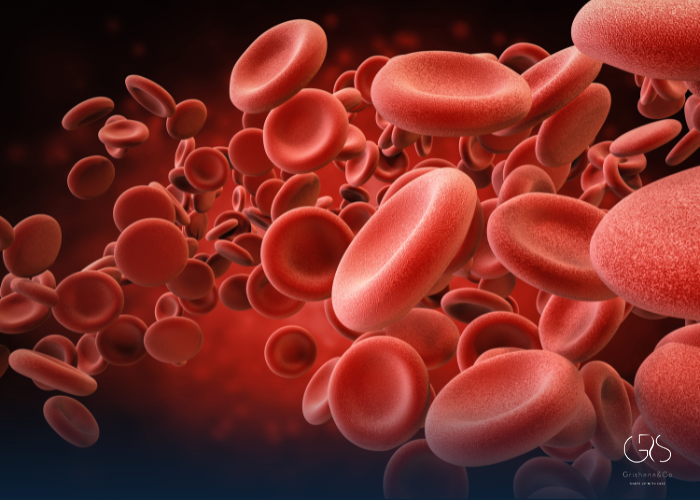
Fatigue is often the first noticeable sign of Vitamin B12 deficiency, but many people dismiss it as stress. B12 plays a crucial role in forming healthy red blood cells that carry oxygen throughout your body. When levels drop, your cells receive less oxygen, which naturally leads to feelings of exhaustion.
A large meta-analysis suggests that chronic low energy in adults is frequently linked to undiagnosed deficiencies, especially when other causes have been ruled out.

Weakness and reduced physical endurance
Even mild Vitamin B12 deficiency affects muscle performance because nerves rely on adequate B12 to send signals from the brain to the muscles. When this communication slows, movements can feel sluggish, coordination can weaken, and physical activities become tiring much faster.
Lightheadedness and episodes of dizziness
Low B12 levels can reduce blood oxygen capacity, making some people feel dizzy, especially when standing up quickly. While dizziness has many causes, persistent episodes combined with fatigue may prompt healthcare professionals to test B12 levels.

Neurological Symptoms of Vitamin B12 Deficiency
Tingling, numbness, and “pins and needles”
One of the most scientifically documented signs of Vitamin B12 deficiency is nerve damage leading to paresthesia a tingling or numbness sensation in the hands, feet, or legs. This happens because B12 is essential for maintaining the myelin sheath, the protective layer around nerves.
When myelin breaks down, nerve signaling becomes disrupted, creating sensations that may feel alarming or unfamiliar.
Difficulty with balance and coordination
As nerve pathways weaken, balance can be affected. Research shows individuals with long-standing Vitamin B12 deficiency may experience gait disturbances, unsteadiness, or frequent stumbling. This symptom tends to appear gradually, making early recognition important.
Memory problems and cognitive decline
Vitamin B12 plays a crucial role in brain function. Deficiency has been linked to memory lapses, difficulty concentrating, and slower cognitive processing. Some studies report that older adults with low B12 are more likely to experience cognitive impairment.
Although B12 isn’t a cure-all for brain aging, early detection can prevent or reduce symptoms related specifically to deficiency.
Mood changes, anxiety, and depression
Emotional symptoms are surprisingly common. Low B12 levels can disrupt neurotransmitter production, particularly serotonin and dopamine chemicals that influence mood. This is why Vitamin B12 deficiency may manifest as irritability, anxiety, low mood, or decreased motivation.
Research published in psychiatric journals highlights a clear association between B12 status and mental well-being, especially among older adults and individuals with restrictive diets.

Physical Signs You May Notice
Pale or yellowish skin
When Vitamin B12 deficiency impairs red blood cell formation, the result may be paler skin. In some cases, a subtle yellow tinge—known as jaundice can appear due to breakdown of fragile red blood cells. These changes often develop slowly and may be first noticed by others.
Heart palpitations or shortness of breath
Because low B12 reduces red blood cell count, the heart must work harder to supply oxygen to the body. This can create palpitations, breathlessness, or an uncomfortable awareness of the heartbeat during normal activities.
Although these symptoms can indicate more serious conditions, they are also well-documented signs of Vitamin B12 deficiency.
Digestive disturbances
Digestive symptoms vary widely: constipation, diarrhea, poor appetite, or mild nausea. B12 plays a role in digestive tract function, and deficiency may alter motility and enzyme activity.
Individuals with autoimmune gastritis or low stomach acid may experience digestive issues as both a cause and effect of deficiency.
Oral and Tongue Symptoms Linked to Vitamin B12 Deficiency
Glossitis (inflamed, smooth, or swollen tongue)
Glossitis is a hallmark symptom described in medical literature. When B12 levels drop, the tongue may appear swollen, smooth, or unusually red. Some people experience burning sensations or difficulty speaking or chewing comfortably.
Mouth ulcers and a burning sensation
Painful mouth sores or a burning feeling on the tongue can occur due to impaired cell production in the oral tissues. These symptoms often accompany glossitis and may improve once B12 levels are restored.
Changes in taste
Some people notice diminished taste sensitivity or metallic flavors during Vitamin B12 deficiency. Although the exact mechanism is not fully understood, research suggests it relates to nerve changes and inflammation in oral tissues.
Advanced Symptoms of Vitamin B12 Deficiency
Vision problems
In severe or prolonged deficiency, damage to the optic nerve may occur, affecting peripheral or central vision. This condition, known as optic neuropathy, improves in many cases once B12 is replenished.
Walking difficulties and neurological decline
When deficiency is left untreated for years, nerve damage can become extensive. Walking may become difficult, reflexes may weaken, and fine motor skills can decline. Early intervention is key to preventing permanent damage.
Cardiovascular risks associated with high homocysteine
Vitamin B12 helps regulate homocysteine, an amino acid that becomes harmful at elevated levels. Scientific studies show that deficiency may increase cardiovascular risks by raising homocysteine concentrations. This does not mean B12 itself prevents heart disease, but maintaining healthy levels supports overall vascular health.
How Is Vitamin B12 Deficiency Diagnosed?
Blood tests and biomarkers
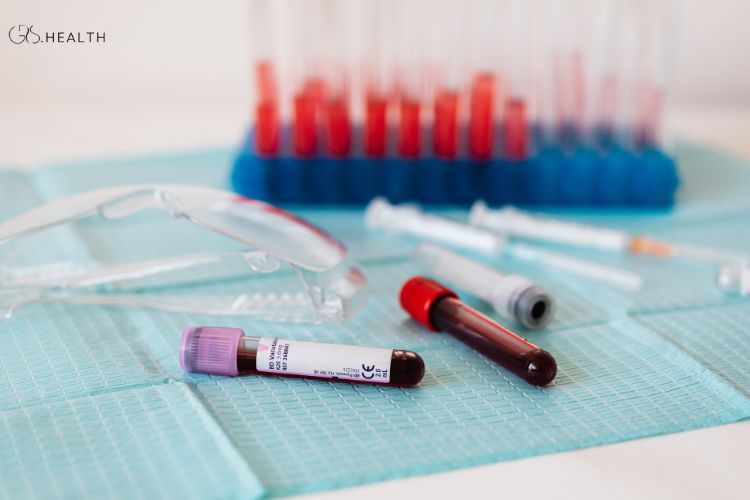
Diagnosis typically begins with measuring serum B12 levels, but this alone isn’t always enough. Experts recommend checking methylmalonic acid (MMA) and homocysteine levels, which become elevated when B12 is insufficient at the cellular level.
Additional tests may be required when autoimmune or gastrointestinal causes are suspected.
Evaluating symptoms alongside lab results
Because symptoms of Vitamin B12 deficiency overlap with many other conditions, healthcare professionals assess both laboratory markers and clinical presentations. This combination is the most reliable method for accurate diagnosis.
How to Restore Healthy B12 Levels
Dietary strategies
Adding more B12-rich foods can help mild deficiencies. These include eggs, dairy, fish, meat, fortified cereals, and nutritional yeast. However, food alone may not correct significant Vitamin B12 deficiency, especially in individuals with absorption issues.
Oral supplements and injections
Oral B12 supplements work well for many people, even those with absorption challenges, because high doses can be absorbed passively. In more severe cases, physicians may recommend B12 injections to rapidly restore levels and relieve symptoms.
Scientific guidelines emphasize that treatment is safe, effective, and tailored to the underlying cause.
Monitoring long-term levels
Maintaining healthy B12 levels requires ongoing attention, particularly for older adults, those with digestive disorders, and individuals taking medications that reduce B12 absorption. Regular testing can help prevent recurrence of Vitamin B12 deficiency.
Conclusion
Vitamin B12 deficiency is far more common than many people realize, and its symptoms can appear in subtle ways long before blood levels fall drastically. From fatigue and mood changes to nerve issues and cognitive difficulties, the signs are real, scientifically recognized, and often reversible when addressed early. Understanding how the body communicates distress is one of the most powerful steps toward protecting your long-term health. Whether through nutrition, supplementation, or medical care, identifying and treating Vitamin B12 deficiency can dramatically improve energy, mood, and overall well-being.
Sources
- PubMed Central (PMC), Vitamin B12 in Health and Disease
- thebmj, Vitamin B12 deficiency
- American Academy of Family Physicians, Vitamin B12 Deficiency: Recognition and Management