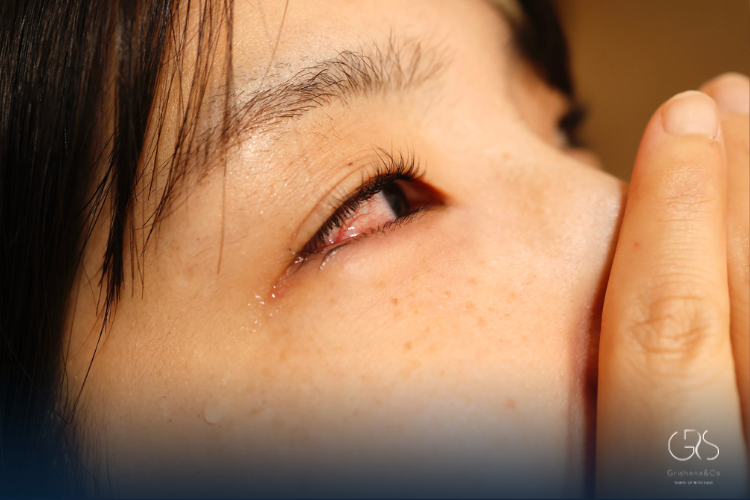




Eye twitching is a common, usually harmless sensation where the eyelid muscles contract involuntarily. Medically, this is often called eyelid myokymia. It can feel like fluttering, pulsing, or a gentle spasm that comes and goes. While it may be annoying or distracting, most cases do not signal a serious health problem. Understanding eye twitching treatment starts with knowing why these muscle contractions occur in the first place.
The eyelids are controlled by delicate muscles and nerves that are highly sensitive to stress, fatigue, and chemical imbalances. When these systems are slightly overstimulated, twitching can happen without warning.
Common Causes Behind Eye Twitching Treatment Decisions
The most effective eye twitching treatment depends on identifying the underlying cause. In many people, more than one factor contributes at the same time.
Lifestyle-related triggers are the most common reasons for twitching. These include stress, poor sleep, caffeine intake, and excessive screen use. Environmental factors such as dry air, allergies, or eye strain also play a role. In rarer cases, neurological conditions may be involved, but these are far less common.
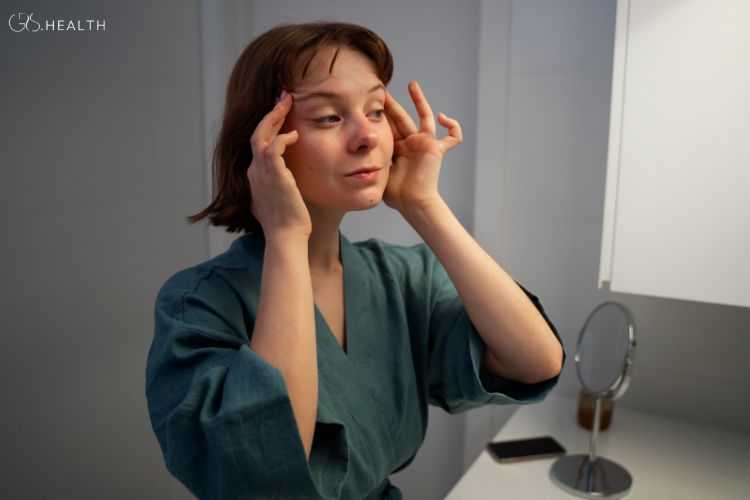
Stress and the Nervous System
Stress activates the sympathetic nervous system, increasing nerve excitability. This heightened state makes small muscle groups, including eyelid muscles, more prone to spasms. Studies show that psychological stress can amplify neuromuscular activity, leading to involuntary muscle contractions.
Lack of Sleep and Fatigue
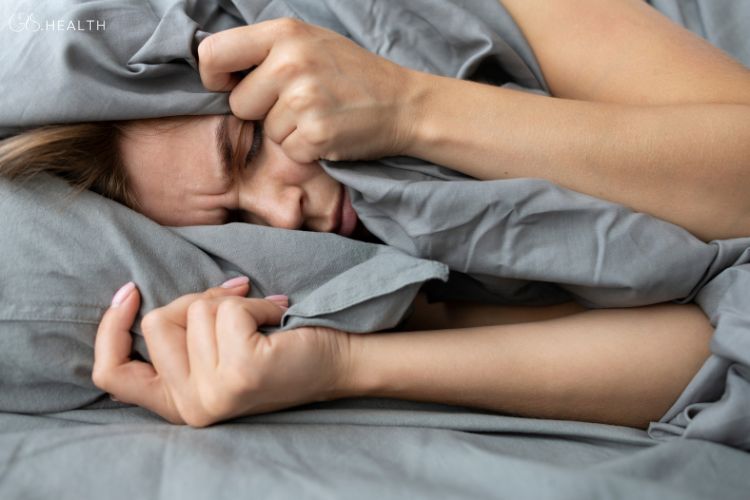
Sleep deprivation affects neurotransmitter balance and muscle recovery. When the body does not get enough rest, nerves fire more easily, which can trigger eyelid spasms. Chronic fatigue is one of the strongest predictors of recurring twitching episodes.
How Eye Twitching Treatment Depends on Type of Twitching
Not all eye twitching is the same, and treatment approaches vary based on severity and duration.
Most people experience benign eyelid myokymia, which resolves on its own. Less commonly, hemifacial spasm or blepharospasm may be responsible, requiring medical evaluation.
Benign Eyelid Myokymia
This is the mild, short-term twitching most people experience. It often affects one eyelid, usually the lower lid, and lasts minutes to days. Conservative eye twitching treatment works well for this type.
Chronic or Persistent Twitching
If twitching lasts for weeks or spreads to other facial muscles, further assessment is needed. Persistent symptoms may indicate nerve irritation or neurological disorders, although these are rare.
Lifestyle-Based Eye Twitching Treatment That Actually Works
For most people, simple lifestyle changes are the most effective eye twitching treatment strategies. These interventions are supported by clinical research and focus on reducing nerve overstimulation.
Improving Sleep Quality
Consistent, high-quality sleep stabilizes nerve signaling. Studies link improved sleep duration with reduced neuromuscular irritability. Aim for seven to nine hours per night, and maintain regular sleep schedules.
(To learn more about Sleep Duration please refer to this article)
Reducing Stress Levels
The benefits of breathing exercises extend beyond mental calm, as practices such as mindfulness, meditation, and yoga have been shown to reduce sympathetic nervous system activity.Research published in psychophysiology journals shows that relaxation techniques lower muscle tension and spasm frequency.
(We recommend that you read about stress relief)
Nutrition and Eye Twitching Treatment
Certain nutritional deficiencies have been associated with muscle twitching. Addressing these gaps can be an effective eye twitching treatment in some individuals.
Magnesium and Muscle Function
Magnesium plays a key role in neuromuscular transmission. Low magnesium levels can increase muscle excitability. Clinical studies suggest magnesium supplementation may reduce muscle cramps and twitching in deficient individuals.
Electrolyte Balance
Potassium and calcium are essential for muscle contraction and relaxation. While severe deficiencies are uncommon, mild imbalances may contribute to twitching, especially in people who exercise heavily or are dehydrated.
Digital Eye Strain and Eye Twitching Treatment
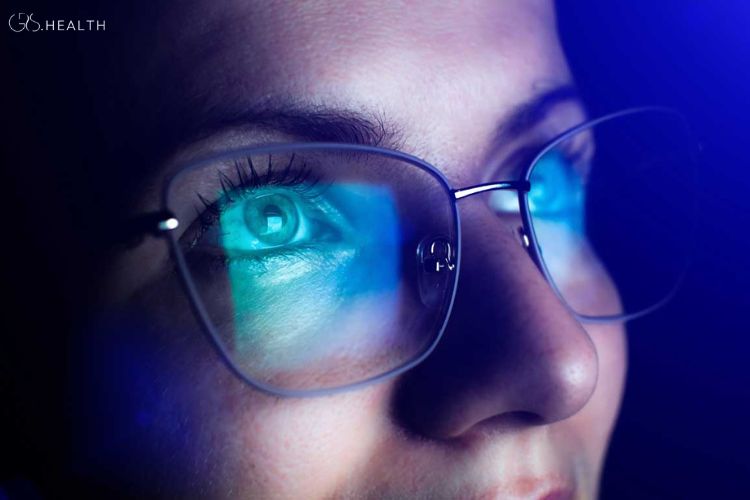
Modern screen use places significant strain on the eyes, contributing to twitching. Digital eye strain affects blinking patterns and tear film stability, irritating eyelid muscles.
Eye twitching treatment in this context focuses on reducing visual fatigue and improving eye comfort.
The Role of Screen Time
Extended screen exposure reduces blink rate by up to 60 percent, according to ophthalmology studies. This leads to dryness and irritation, which can trigger reflex muscle contractions.
Practical Screen Habits
Following the 20-20-20 rule, using proper lighting, and adjusting screen height can reduce eye strain. These simple adjustments are often enough to stop twitching caused by visual fatigue.
Medical Eye Twitching Treatment Options
When lifestyle changes fail, medical approaches may be considered. These treatments are typically reserved for persistent or severe cases.
Artificial Tears and Eye Lubrication
Dry eye is a well-established trigger for eyelid twitching. Clinical trials show that lubricating eye drops reduce ocular surface irritation and decrease reflex muscle spasms.
Botulinum Toxin Injections
In rare cases of chronic blepharospasm or hemifacial spasm, botulinum toxin injections may be used. Studies demonstrate high effectiveness in relaxing overactive muscles and reducing involuntary contractions.
When Eye Twitching Treatment Requires a Doctor
Most eye twitching resolves without medical intervention. However, certain warning signs suggest the need for professional evaluation.
If twitching lasts longer than several weeks, affects vision, causes complete eyelid closure, or spreads to other facial muscles, it may indicate an underlying neurological issue.
Red Flags to Watch For
Persistent spasms, facial weakness, drooping eyelids, or changes in vision should not be ignored. These symptoms warrant assessment by an ophthalmologist or neurologist.
Diagnostic Approaches
Doctors may perform eye exams, neurological assessments, or imaging studies to rule out rare causes. In most cases, results are normal and reassuring.
Preventing Recurrence with Long-Term Eye Twitching Treatment
Prevention is often the most effective eye twitching treatment strategy. Addressing triggers early can stop twitching before it becomes bothersome.
Long-term prevention focuses on consistent sleep, balanced nutrition, stress management, and healthy screen habits.
Daily Habits That Protect Eye Health
Hydration, regular breaks from screens, and protective eyewear in dry environments support eye comfort. These habits reduce irritation that can provoke twitching.
Managing Stimulant Intake
Caffeine and other stimulants increase nervous system activity. Reducing intake has been shown to decrease muscle excitability and improve symptom control in sensitive individuals.
Psychological Factors and Eye Twitching Treatment
Anxiety and heightened body awareness can amplify the perception of twitching. Even when the twitch is mild, worrying about it can make it feel worse.
Eye twitching treatment in this context includes reassurance and addressing anxiety triggers.
The Mind-Body Connection
Research in psychosomatic medicine highlights how stress and attention can intensify physical sensations. Learning to redirect focus often reduces perceived severity.
Reassurance and Education
Understanding that most eye twitching is harmless significantly reduces distress. Education itself is a powerful therapeutic tool.
Myths and Misconceptions About Eye Twitching Treatment
Many myths surround eye twitching, including beliefs about spiritual meanings or severe illness. These misconceptions can increase unnecessary fear.
Science-based eye twitching treatment emphasizes evidence over folklore.
Is Eye Twitching a Sign of Stroke?
No. Isolated eyelid twitching without other neurological symptoms is not associated with stroke. Medical literature clearly distinguishes these conditions.
Does Eye Twitching Mean You Need Glasses?
While uncorrected vision can contribute to eye strain, twitching alone does not mean you need glasses. A comprehensive eye exam can clarify this.
Conclusion
Eye twitching is a common, usually benign condition rooted in nervous system sensitivity, lifestyle factors, and eye strain. The most effective eye twitching treatment is often simple: better sleep, stress reduction, proper nutrition, and healthier screen habits. Medical treatments are rarely needed but highly effective when appropriate. By understanding the science behind eyelid spasms and responding early to triggers, most people can relieve symptoms quickly and prevent recurrence. If twitching persists or worsens, professional evaluation provides reassurance and targeted care.
Sources
- American Academy of Ophthalmology, Myokymia (eyelid twitch or tic)
- PubMed, Digital Eye Strain- A Comprehensive Review
- Cognitive Psychology News Journal , Systematic Review Of Progressive Muscle Relaxation For Stress, Anxiety, And Depression
- Frontiers, Breath of Life: The Respiratory Vagal Stimulation Model of Contemplative Activity