



Healthy, strong, and shiny hair isn’t just about genetics. Daily habits, nutrition, and how you care for your scalp and strands all play major roles. Among natural hair remedies, coconut oil has received unusual attention from scientists, not just beauty enthusiasts. What makes it different from other oils isn’t marketing hype—it’s chemistry. Understanding how coconut oil hair care works, when it helps, and when it doesn’t can make the difference between healthier hair and disappointing results.
This article explores the science behind coconut oil, how it interacts with hair fibers, and the most effective ways to use it based on real research rather than myths.
Why Coconut Oil Is Unique for Hair
Coconut oil isn’t just another plant oil. Its molecular structure gives it special properties that affect hair differently from argan, olive, or sunflower oil.
Fatty Acid Composition and Hair Penetration
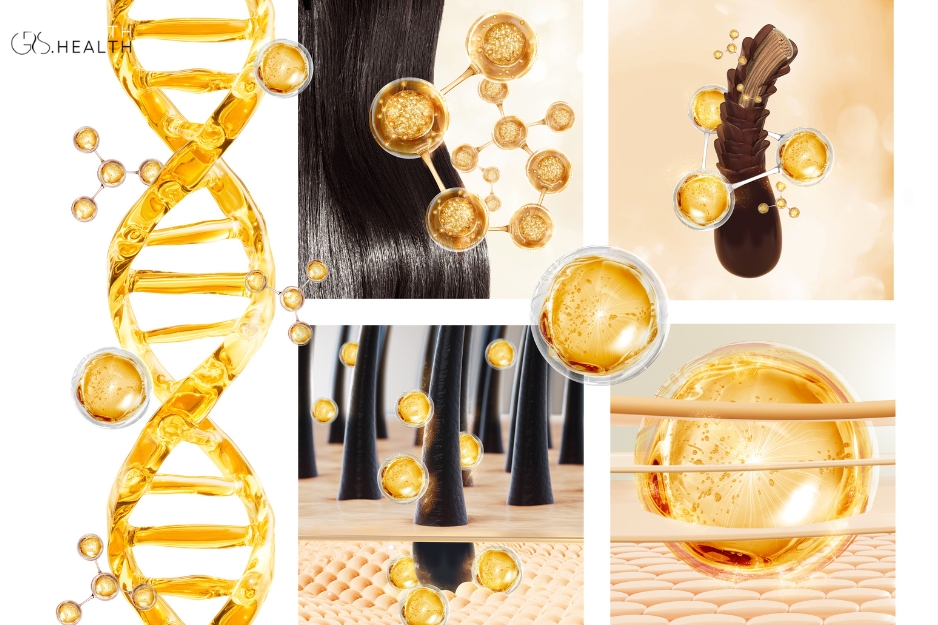
Coconut oil is composed of about 50% lauric acid, a medium-chain fatty acid. Lauric acid has a low molecular weight and a straight-chain structure, allowing it to penetrate the hair shaft more easily than larger fatty acids. Research published in the Journal of Cosmetic Science demonstrated that coconut oil reduces protein loss in both damaged and undamaged hair when used as a pre-wash or post-wash treatment.
Hair is primarily made of keratin protein. When protein is lost due to washing, heat, or UV exposure, hair becomes weak, dull, and prone to breakage. Coconut oil’s ability to reduce this protein loss is the foundation of its benefits.
Why Penetration Matters More Than Surface Coating
Many oils sit on the surface of hair, creating temporary shine but little structural benefit. Penetrating oils interact with the cortex of the hair fiber, improving resilience from within. This is why coconut oil hair treatments often feel more restorative than purely cosmetic.
Coconut Oil Hair Benefits Backed by Science
While coconut oil isn’t a miracle cure, research supports several real benefits when used correctly.
Reduces Protein Loss and Breakage
A landmark study by Rele and Mohile showed that coconut oil significantly reduced protein loss compared to mineral oil and sunflower oil. This makes it particularly useful for people with chemically treated, heat-styled, or fragile hair.
Improves Moisture Retention
Coconut oil helps slow down moisture loss by strengthening the hair cuticle. This doesn’t mean it hydrates hair directly—hair doesn’t absorb water from oil—but it helps retain existing moisture more effectively.
Protects Hair From Mechanical Damage
Hair damage often happens during brushing, styling, and washing. By lubricating the hair shaft and reducing friction, coconut oil reduces mechanical stress, especially when used before shampooing.
Coconut Oil and Scalp Health
Healthy hair begins at the scalp, and coconut oil may contribute here too.
Antimicrobial Properties
Lauric acid has documented antimicrobial and antifungal properties. Studies in Dermatitis and Journal of Medicinal Food show coconut oil can inhibit growth of fungi like Malassezia, which is associated with dandruff.
Potential Role in Dandruff Management
While coconut oil isn’t a medical treatment for seborrheic dermatitis, its antifungal action and moisturizing effect may help mild dandruff when dryness is a contributing factor. However, for inflammatory scalp conditions, medical treatments remain essential.
Best Ways to Use Coconut Oil Hair Treatments
Using coconut oil incorrectly is one of the main reasons people think it “doesn’t work.” Application method matters as much as the oil itself.
Pre-Wash Treatment (Best Supported by Research)
Applying coconut oil to dry hair 30–60 minutes before shampooing allows it to penetrate the hair shaft and reduce protein loss during washing. This method has the strongest scientific support.
Post-Wash Use: When and How
Using a tiny amount on damp hair can help reduce frizz and improve manageability. However, excessive use may leave hair greasy or stiff, especially for fine hair types.
Choosing the Right Type of Coconut Oil
Not all coconut oils are equal when it comes to hair health.
Virgin vs Refined Coconut Oil
Virgin coconut oil retains more bioactive compounds and antioxidants because it’s extracted without high heat or chemicals. Studies suggest virgin coconut oil has superior antimicrobial activity compared to refined versions.
Cold-Pressed and Organic Options
Cold-pressed, organic coconut oil minimizes exposure to pesticides and processing chemicals. While not mandatory, these options are preferable for scalp application.
How Often Should You Use Coconut Oil?
Frequency depends on hair type, texture, and environment.
For Dry or Damaged Hair
Once or twice per week as a pre-wash treatment is typically sufficient. Overuse can lead to buildup and stiffness.

For Fine or Low-Porosity Hair
Less is more. Using coconut oil too frequently may cause hair to feel hard due to protein rigidity, a phenomenon sometimes called hygral fatigue imbalance.
Who Should Be Careful With Coconut Oil?
Despite its benefits, coconut oil hair care isn’t ideal for everyone.
Protein-Sensitive Hair Types
Some people notice increased brittleness after using coconut oil. This may be due to reduced water uptake rather than protein overload, but the result feels the same—stiff hair. If this happens, reduce frequency or stop use.
Acne-Prone or Sensitive Scalps
Coconut oil is comedogenic for some individuals. If you’re prone to scalp acne or folliculitis, patch testing and minimal scalp contact are important.
Coconut Oil vs Other Popular Hair Oils
Understanding how coconut oil compares to alternatives helps set realistic expectations.
Coconut Oil vs Argan Oil
Argan oil is rich in oleic and linoleic acids and excels at surface conditioning and shine. Coconut oil penetrates deeper and offers structural protection, making the two oils complementary rather than interchangeable.
Coconut Oil vs Olive Oil
Olive oil can penetrate hair but not as effectively as coconut oil. It is heavier and better suited for very thick or coarse hair types.
Common Myths About Coconut Oil Hair Care
Misinformation often leads to misuse and disappointment.
Myth: Coconut Oil Makes Hair Grow Faster
There is no evidence that coconut oil directly stimulates hair growth. Healthy hair retention may improve the appearance of growth by reducing breakage.
Myth: More Oil Means Better Results
Excess oil can block moisture balance, attract dirt, and weigh hair down. Scientific benefits occur at modest amounts.
How to Apply Coconut Oil Correctly Step by Step
Using the correct method maximizes benefits while minimizing side effects.
Step 1: Warm a Small Amount
Warming coconut oil between your palms improves spreadability and penetration without overheating.
Step 2: Apply to Mid-Lengths and Ends First
These areas experience the most damage and benefit most from oil treatment.
Step 3: Limit Scalp Application
Unless addressing dryness or dandruff, minimal scalp use reduces the risk of buildup or irritation.
Step 4: Shampoo Thoroughly
A gentle sulfate-free shampoo is usually sufficient to remove excess oil without stripping hair.
Conclusion
Coconut oil has earned its reputation through science, not just tradition. Its unique fatty acid profile allows it to penetrate hair fibers, reduce protein loss, and protect against daily damage. Used thoughtfully, coconut oil hair care can support stronger, smoother, and more resilient hair. However, like any effective tool, it works best when matched to the right hair type and applied in moderation. Understanding the science behind coconut oil empowers you to use it strategically rather than blindly, leading to healthier hair over time.
Sources
- PubMed Central (PMC), Effect of mineral oil, sunflower oil, and coconut oil on prevention of hair damage
- Springer, Chemical and Physical Behavior of Human Hair
- MDPI, Impact of Hair Damage on the Penetration Profile of Coconut, Avocado, and Argan Oils into Caucasian Hair Fibers