




Hearing the words “you have prostate cancer” can feel overwhelming, and one of the first questions many people ask is, “What stage is it?” Understanding prostate cancer stages helps turn fear into information. Staging explains how advanced the cancer is, whether it has spread, and what treatment options may work best. Doctors rely on staging not only to plan care but also to estimate outcomes and tailor decisions to each individual. This article walks you through the science behind staging in a clear, human way, so you can better understand what those stage labels really mean for real life.
Understanding Prostate Cancer Stages
Prostate cancer stages describe how far cancer has grown within the prostate and whether it has spread to nearby tissues or distant organs. Staging is based on internationally accepted medical systems developed through decades of research and clinical trials. These systems help doctors communicate clearly, compare treatments, and design evidence-based care plans.
(To learn about Prostate Cancer Causes , please refer to this article)

Why Prostate Cancer Stages Matter
Knowing the stage helps determine whether cancer is slow-growing or aggressive, localized or widespread. Early stages may need only monitoring, while later stages often require a combination of treatments. Research shows that accurate staging improves survival outcomes by matching patients with appropriate therapies rather than one-size-fits-all approaches.
How Doctors Determine Prostate Cancer Stages
Doctors use several tools together, including PSA blood tests, prostate biopsies, imaging scans, and physical exams. No single test defines the stage. Instead, staging reflects the full clinical picture, combining lab values, pathology reports, and imaging findings.
The TNM System and Prostate Cancer Stages
The most widely used framework for prostate cancer stages is the TNM system, created by the American Joint Committee on Cancer. TNM stands for Tumor, Nodes, and Metastasis, and each part adds critical information.
Tumor Size and Local Growth
The “T” category describes how large the tumor is and whether it is confined to the prostate. Early tumors may be too small to feel during an exam, while more advanced tumors can extend beyond the prostate capsule into nearby tissues.
Lymph Node Involvement
The “N” category indicates whether cancer has spread to nearby lymph nodes. Lymph nodes act as filters for the immune system, and their involvement suggests cancer cells have learned how to travel beyond the prostate.
Metastasis and Distant Spread
The “M” category shows whether cancer has spread to distant organs such as bones, liver, or lungs. Bone metastases are particularly common in advanced prostate cancer and play a major role in symptoms and treatment decisions.
Stage I Prostate Cancer Explained
Stage I represents the earliest form of the disease. At this point, cancer is usually confined entirely within the prostate and often grows very slowly.
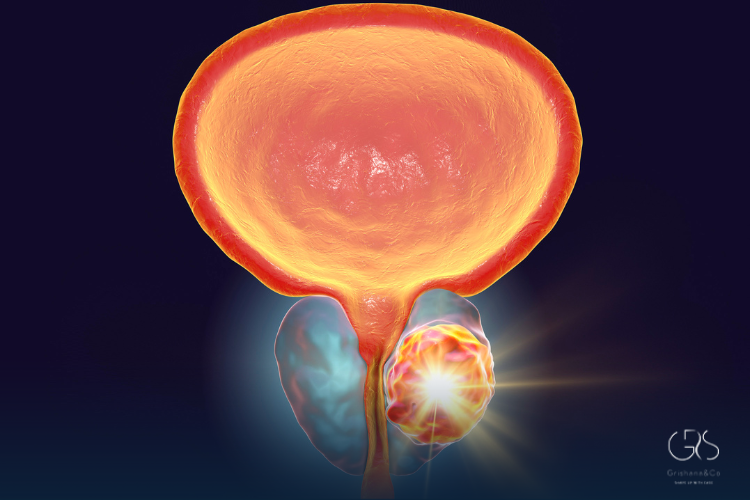
Characteristics of Stage I Prostate Cancer
In Stage I, PSA levels are typically low, and the tumor is not detectable by imaging or physical exam. Many men never experience symptoms, and the cancer may be discovered incidentally during tests for other conditions.
Prognosis in Early Prostate Cancer Stages
Scientific studies show that long-term survival rates for Stage I prostate cancer are extremely high. According to large population studies, the 10-year survival rate approaches 100%, especially when appropriate monitoring or treatment is used.
Stage II Prostate Cancer Explained
Stage II prostate cancer is still localized but shows signs of being more advanced or aggressive than Stage I.
Subtypes Within Stage II
Stage II is divided into smaller subcategories based on PSA level, Gleason score, and how much of the prostate is involved. These subgroups help doctors refine risk assessment and treatment planning.
Treatment Options for Stage II
Treatment may include surgery, radiation therapy, or active surveillance depending on risk factors. Clinical trials demonstrate that carefully selected patients can safely delay treatment without harming long-term outcomes.
Stage III Prostate Cancer Explained
Stage III means cancer has grown beyond the prostate but has not spread to distant organs. This stage represents a transition point in prostate cancer stages.
Local Spread Beyond the Prostate
In Stage III, cancer may extend into nearby tissues such as the seminal vesicles. This local spread increases the risk of recurrence but can still be treated with curative intent.
Outcomes in Stage III Disease
Research shows that combining treatments, such as radiation therapy with hormone therapy, significantly improves survival for Stage III patients compared to single-treatment approaches.
Stage IV Prostate Cancer Explained
Stage IV is the most advanced of prostate cancer stages and indicates spread beyond nearby tissues.
Regional vs Distant Stage IV
Some Stage IV cancers involve only nearby lymph nodes, while others spread to distant organs. This distinction matters because it influences treatment intensity and goals.
Living With Advanced Prostate Cancer
Although Stage IV cancer is not considered curable, advances in treatment have transformed it into a manageable chronic condition for many patients. Modern therapies can control symptoms and extend life for years.
PSA Levels and Prostate Cancer Stages
PSA, or prostate-specific antigen, is a blood marker that plays an important role in staging and monitoring.
What PSA Reveals About Cancer Stage
Higher PSA levels are often associated with more advanced disease, but PSA alone does not define prostate cancer stages. Some aggressive cancers produce little PSA, which is why doctors interpret PSA in context.
Limits of PSA in Staging
Studies have shown that PSA can be influenced by benign conditions such as prostatitis or enlargement. For this reason, PSA is combined with imaging and biopsy findings for accurate staging.
Gleason Score and Prostate Cancer Stages
The Gleason score measures how abnormal prostate cancer cells look under a microscope and is a critical part of staging.
Understanding Gleason Patterns
Lower Gleason scores indicate cells that resemble normal prostate tissue, while higher scores reflect aggressive, disorganized growth patterns linked to faster spread.
How Gleason Score Influences Staging
A higher Gleason score can move a cancer into a higher stage group even if it appears localized. Research confirms that Gleason score strongly predicts outcomes and treatment response.
Imaging Tests Used in Prostate Cancer Stages
Medical imaging helps visualize cancer location and spread with increasing precision.
MRI and Local Staging
Multiparametric MRI is widely used to assess tumor size, location, and local extension. Studies show MRI improves accuracy in distinguishing early from more advanced disease.
PET Scans and Advanced Prostate Cancer Stages
New PET imaging using PSMA tracers can detect tiny metastases missed by conventional scans. This technology has reshaped how doctors evaluate advanced cases.
How Prostate Cancer Stages Guide Treatment Decisions
Staging directly influences which treatments are recommended and how aggressive they should be.
Matching Treatment Intensity to Stage
Early-stage cancers may need minimal intervention, while later stages often require combination therapies. Evidence-based guidelines emphasize avoiding overtreatment in low-risk disease.
Shared Decision-Making in Prostate Cancer
Modern cancer care emphasizes collaboration between patients and clinicians. Understanding prostate cancer stages empowers individuals to participate actively in treatment decisions aligned with their values.
(Read more about how prostate cancer is treated.)
Emotional Impact of Learning Your Cancer Stage
Beyond the science, staging carries emotional weight that deserves attention.
Coping With Uncertainty
Even early stages can cause anxiety. Studies show that education and clear communication reduce distress and improve quality of life.
Support Across All Prostate Cancer Stages
Psychological support, counseling, and peer groups benefit patients at every stage. Emotional well-being is now recognized as an essential part of comprehensive cancer care.
Advances in Research on Prostate Cancer Stages
Scientific understanding of staging continues to evolve as new technologies and data emerge.
Personalized Staging Models
Researchers are developing genomic tests that refine traditional staging by predicting tumor behavior more precisely. Early evidence suggests these tools can further individualize care.
Future Directions in Staging Science
Artificial intelligence and advanced imaging may soon enhance staging accuracy, reducing uncertainty and improving outcomes across prostate cancer stages.
Conclusion
Understanding prostate cancer stages turns complex medical language into meaningful knowledge. Staging explains where the cancer is, how aggressive it appears, and what options make sense moving forward. From early-stage disease that may never cause harm to advanced cancer that can still be managed for years, each stage represents a different journey. By grounding decisions in science and personal values, patients and clinicians can work together toward the best possible outcomes.
Sources
- Cancer Council, Staging and prognosis for prostate cancer
- WebMD, How Doctors Grade and Stage Prostate Cancer
- Journal of the National Comprehensive Cancer Network (JNCCN), Prostate Staging