


If you’ve ever looked at a blood test and felt confused by cholesterol numbers, you’re not alone. Cholesterol is one of the most talked-about yet misunderstood health markers. People often hear that cholesterol is “bad,” but the truth is far more nuanced. Understanding normal cholesterol levels helps you move from fear and confusion to clarity and control. This article explains what cholesterol really is, how doctors define healthy ranges, and what science says about protecting your heart without panic, guilt, or hype.
What Is Cholesterol and Why Does It Matter?
Cholesterol is a waxy, fat-like substance found in every cell of your body. It plays essential roles in building cell membranes, producing hormones, and helping your body digest fats. Your liver makes most of the cholesterol you need, while the rest comes from food. Problems arise not because cholesterol exists, but when its balance in the blood shifts outside normal cholesterol levels and begins to affect blood vessels.

Cholesterol’s Role in the Body
Cholesterol supports hormone production, including estrogen, testosterone, and cortisol. It is also crucial for vitamin D synthesis and bile acid formation, which helps digest dietary fat. Without cholesterol, basic biological functions would fail.
When Cholesterol Becomes a Risk
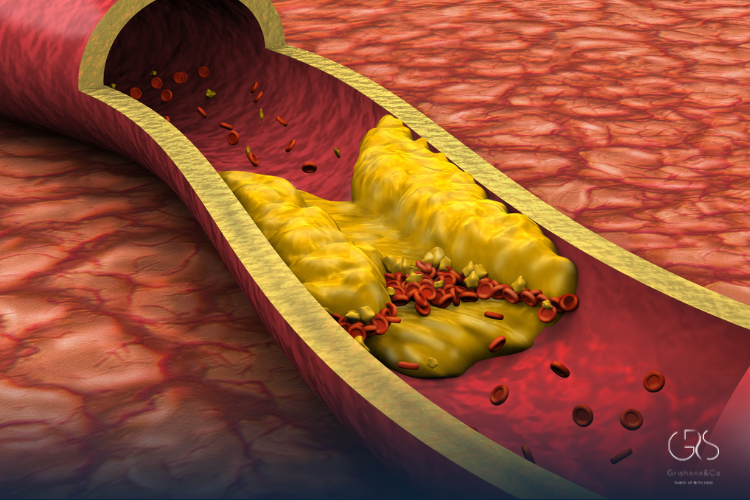
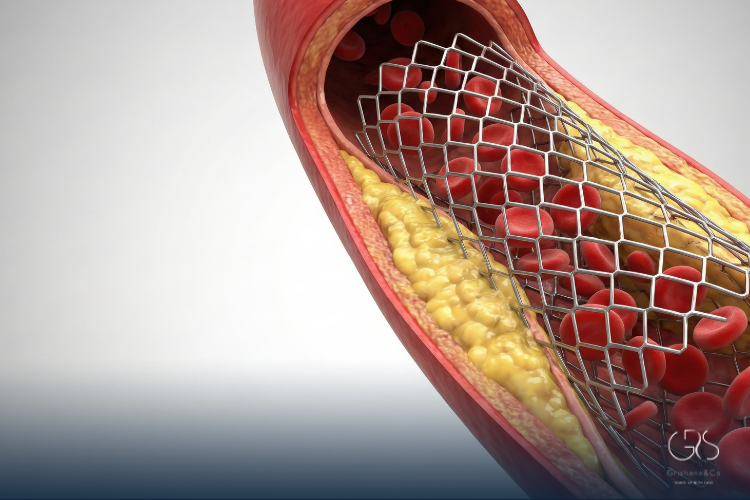
Excess cholesterol in the bloodstream can accumulate in artery walls, contributing to plaque formation. Over time, this process called atherosclerosis—raises the risk of heart attack and stroke, especially when combined with inflammation and other risk factors.
Normal Cholesterol Levels Explained by Science
Doctors rely on blood lipid panels to evaluate heart health. These tests measure different types of cholesterol and fats, not just a single number. Understanding these values provides context rather than fear.
Total Cholesterol: What Is Considered Normal?
Total cholesterol includes LDL, HDL, and a portion of triglycerides. For most adults, a total cholesterol level below 200 mg/dL is considered desirable according to major cardiovascular guidelines. However, total cholesterol alone does not tell the full story.
LDL and HDL: Understanding the Difference
LDL (low-density lipoprotein) is often called “bad” cholesterol because high levels are associated with plaque buildup. HDL (high-density lipoprotein) is considered “good” cholesterol because it helps transport excess cholesterol back to the liver for removal. Healthy blood work reflects a balance between the two rather than focusing on one number in isolation.
Normal Cholesterol Levels by Age and Sex
Cholesterol values naturally change over a lifetime. Age, hormones, and metabolic health all influence what is considered normal.
Cholesterol Ranges for Adults
In adults, LDL cholesterol is generally considered optimal below 100 mg/dL, while HDL levels above 40 mg/dL for men and 50 mg/dL for women are associated with lower cardiovascular risk. These values align with normal cholesterol levels used in clinical practice.
Cholesterol in Children and Teens
Children and adolescents typically have lower cholesterol needs and thresholds. Pediatric guidelines recommend total cholesterol below 170 mg/dL, recognizing that early lipid patterns can predict adult cardiovascular risk.
Normal Cholesterol Levels and Heart Disease Risk
Cholesterol is one risk factor among many. Modern research emphasizes overall cardiovascular risk rather than cholesterol alone.
How Cholesterol Contributes to Atherosclerosis
When LDL particles penetrate artery walls and become oxidized, they trigger inflammatory responses. Over time, this leads to plaque buildup and narrowed arteries, increasing the risk of heart disease.
Why Cholesterol Is Only Part of the Picture
Blood pressure, blood sugar, smoking status, genetics, and inflammation markers all influence heart health. Someone with slightly elevated cholesterol but excellent metabolic health may have lower risk than someone with “ideal” numbers but chronic inflammation.
How Doctors Interpret Cholesterol Tests
Clinicians no longer rely solely on strict cutoffs. Instead, they assess cholesterol within the broader context of a person’s health.
Risk Calculators and Clinical Guidelines
Tools such as the ASCVD risk calculator estimate a person’s 10-year cardiovascular risk using age, cholesterol values, blood pressure, and lifestyle factors. This approach allows personalized recommendations beyond normal cholesterol levels alone.
When Medication Is Considered
Statins or other lipid-lowering medications may be recommended when lifestyle changes are insufficient or when overall cardiovascular risk is high. Large clinical trials show statins reduce heart attack and stroke risk in appropriate patients.
Lifestyle Habits That Support Normal Cholesterol Levels
Daily habits significantly influence cholesterol balance, often more than genetics alone.
Nutrition and Cholesterol Balance
Diets rich in fiber, vegetables, fruits, whole grains, and unsaturated fats are associated with healthier lipid profiles. Reducing trans fats and highly processed foods supports long-term cardiovascular health.
(We recommend that you read this article about foods to lower cholesterol.)

Physical Activity and Lipid Health
Regular aerobic exercise can raise HDL cholesterol and lower triglycerides. Studies consistently show that physically active individuals are more likely to maintain normal cholesterol levels over time.
Common Myths About Cholesterol
Misinformation about cholesterol is widespread, leading to unnecessary fear or poor decisions.
Is All Cholesterol Bad?
No. Cholesterol is essential for life. The problem lies in imbalance and chronic inflammation, not cholesterol itself.
Do Eggs and Dietary Cholesterol Ruin Cholesterol Levels?
Current evidence shows that for most people, dietary cholesterol has a modest effect on blood cholesterol. Genetics and overall diet quality play a much larger role than single foods.
When to Get Your Cholesterol Checked
Routine screening helps detect problems early, long before symptoms appear.
Recommended Screening Intervals
Most guidelines suggest adults have cholesterol checked every four to six years, or more frequently if risk factors are present.
Symptoms You Should Not Ignore
High cholesterol itself causes no symptoms. Chest pain, shortness of breath, or fatigue during exertion warrant immediate medical evaluation, regardless of cholesterol history.
( If you’re interested in reading about managing high cholesterol)
Conclusion
Understanding normal cholesterol levels is not about chasing perfect numbers or fearing every lab result. It’s about seeing cholesterol as one part of a bigger health picture that includes lifestyle, genetics, and overall cardiovascular risk. When interpreted correctly and managed with evidence-based habits, cholesterol becomes a helpful guide rather than a source of anxiety. Empowered with knowledge and science, you can work with your healthcare provider to protect your heart for the long term.
Sources
- American Heart Association, What Your Cholesterol Levels Mean
- CDC, LDL and HDL Cholesterol and Triglycerides
- MedlinePlus, Cholesterol Levels: What You Need to Know