


For decades, cholesterol has been one of the most misunderstood nutrients in nutrition science. You may have grown up hearing that eggs are dangerous, shrimp should be avoided, and that dietary cholesterol directly clogs your arteries. Today, science paints a much more nuanced picture. Understanding dietary cholesterol intake is not about fear or strict limits anymore, but about context, individual health, and overall dietary patterns. This article breaks down what modern research says, how much is safe, and how to make smart, confident choices for your health.
What Is Cholesterol and Why Your Body Needs It
Cholesterol is a waxy, fat-like substance found in every cell of your body. It plays a vital role in hormone production, vitamin D synthesis, bile acid formation, and maintaining cell membranes. Contrary to popular belief, cholesterol is not inherently harmful. In fact, without it, your body simply could not function.
Dietary cholesterol vs blood cholesterol
Dietary cholesterol intake refers to cholesterol obtained from foods such as eggs, shellfish, dairy, and meat. Blood cholesterol, on the other hand, is produced largely by your liver. Research consistently shows that for most people, dietary cholesterol has only a modest effect on blood cholesterol levels.
How your liver regulates cholesterol
When dietary cholesterol intake increases, the liver often compensates by producing less cholesterol. This natural feedback mechanism explains why many individuals see little to no change in blood cholesterol after eating cholesterol-rich foods.
How Much Cholesterol Is Recommended Today
For many years, guidelines capped cholesterol intake at 300 mg per day. However, this limit has been removed from several major dietary guidelines due to insufficient evidence linking dietary cholesterol intake directly to heart disease in the general population.
Why the 300 mg limit was removed
The 2015–2020 Dietary Guidelines for Americans concluded that cholesterol is not a nutrient of concern for overconsumption. Large population studies failed to show a clear association between dietary cholesterol intake and cardiovascular disease risk in healthy individuals.
What experts say now
Most health organizations now emphasize overall dietary quality rather than strict cholesterol limits. Saturated fat, refined carbohydrates, and ultra-processed foods have a much stronger influence on heart disease risk than cholesterol alone.
What Science Says About Eggs and Cholesterol
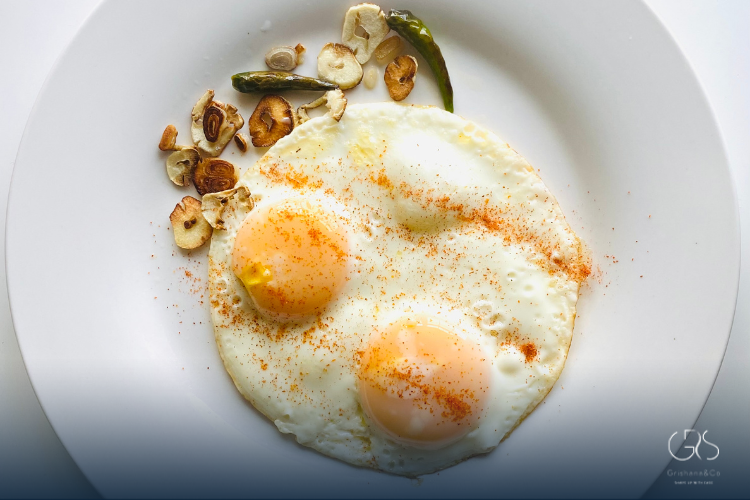
Eggs and cholesterol are often debated, as one large egg contains about 186 mg of cholesterol. However, eggs are also rich in high-quality protein, choline, and essential micronutrients.
Eggs and heart health
Multiple studies, including large cohort analyses, show that moderate egg consumption is not associated with increased cardiovascular risk in healthy adults. For most people, cholesterol from eggs does not translate into higher heart disease risk
Research suggests that up to one egg per day is safe for the general population, and even higher intake may be acceptable depending on overall diet quality and metabolic health.
Does Cholesterol Affect Everyone the Same Way?
Not all bodies respond identically to cholesterol-rich foods. Genetics, metabolic health, and lifestyle factors play important roles.
Hyper-responders explained
About 20–30% of people are considered “hyper-responders,” meaning their blood cholesterol rises more noticeably with increased dietary cholesterol intake. Even in these individuals, HDL cholesterol often rises alongside LDL, maintaining a favorable ratio.
People with diabetes or heart disease
Some evidence suggests that individuals with type 2 diabetes or existing cardiovascular disease should be more cautious with dietary cholesterol intake, focusing on food sources and overall dietary patterns rather than elimination.
Dietary Cholesterol Intake vs Saturated Fat
One of the biggest misconceptions is confusing cholesterol with saturated fat. These are not the same, and they affect your body differently.
Saturated fat matters more
Strong evidence shows that saturated fat has a greater impact on raising LDL cholesterol than dietary cholesterol intake. Foods high in both saturated fat and cholesterol, such as processed meats, deserve more caution than eggs or shellfish.
Whole foods vs processed foods
Cholesterol from whole foods behaves differently in the body than cholesterol consumed alongside refined carbohydrates and trans fats. Dietary context matters more than isolated numbers.
How Much Dietary Cholesterol Intake Is Safe Per Day?
Based on current research, there is no universal upper limit that applies to everyone. For healthy individuals, dietary cholesterol intake of 300–600 mg per day appears safe when consumed as part of a balanced diet rich in vegetables, fiber, and healthy fats.
A practical daily range
Rather than tracking milligrams obsessively, focus on food quality. Whole foods like eggs, yogurt, fish, and shellfish can fit comfortably into a healthy dietary cholesterol intake range.
Signs you may need to adjust
If blood tests show rising LDL cholesterol or inflammation markers, adjusting saturated fat, fiber intake, and overall diet quality is usually more effective than eliminating cholesterol-rich foods alone.
Smart Ways to Manage Dietary Cholesterol Intake
The goal is not restriction, but balance. Understanding how to eat cholesterol-containing foods wisely allows flexibility and enjoyment without fear.
Pair cholesterol with fiber
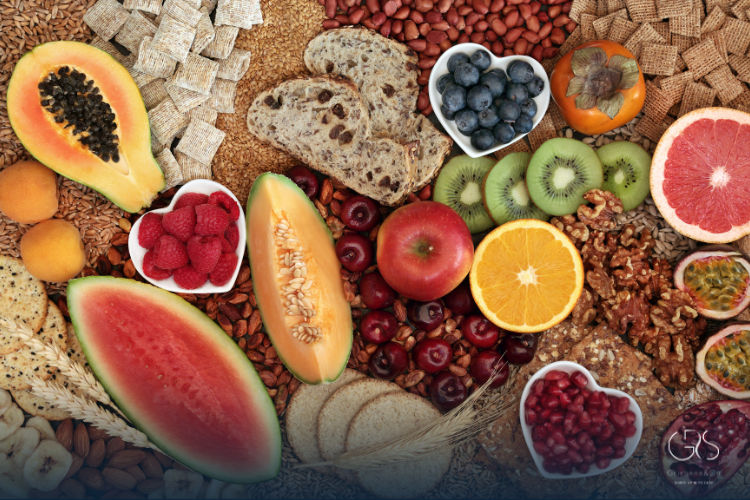
Fiber binds bile acids in the gut, helping regulate cholesterol levels. Vegetables, legumes, whole grains, and fruit support healthy dietary cholesterol intake responses.
Focus on lifestyle factors
Physical activity, sleep quality, stress management, and smoking status all influence how your body handles cholesterol far more than dietary cholesterol intake alone.
Conclusion
So how much dietary cholesterol intake can you have per day? For most healthy people, the answer is more than once believed and far less restrictive than old guidelines suggested. Modern science shows that cholesterol from whole foods is not the villain it was once made out to be. What matters most is your overall eating pattern, lifestyle, and metabolic health. Instead of fearing eggs or shellfish, focus on building meals rich in whole foods, fiber, and healthy fats. When you do that, dietary cholesterol intake becomes just one small piece of a much larger, healthier picture.
Sources
- Harvard T.H. Chan School of Public Health , Fats and Cholesterol
- Office of Disease Prevention and Health Promotion, Dietary Guidelines for Americans
- MDPI, Dietary Cholesterol, Serum Lipids, and Heart Disease: Are Eggs Working for or Against Y
- JAMA Network, Associations of Dietary Cholesterol or Egg Consumption With Incident Cardiovascular Disease and Mortality
- Todays Dietitian, Highlights of the 2015-2020 Dietary Guidelines for Americans