


If you’re standing at the deli counter trying to make a heart-smart choice, you’ve probably wondered about Ham vs Turkey. Both are popular sandwich staples. Both are sources of protein. Both can fit into a balanced diet. But when it comes to blood pressure and cholesterol, the differences between them matter more than most people realize.
Your heart health depends heavily on what you eat day after day. Sodium intake influences blood pressure. Saturated fat affects cholesterol levels. Processing methods introduce compounds that may impact long-term cardiovascular risk. So instead of guessing, let’s look at what science actually says about Ham vs Turkey and how each one affects your heart.
Understanding Blood Pressure and Cholesterol
Before comparing specific meats, it helps to understand why blood pressure and cholesterol are so sensitive to dietary choices.
How Sodium Affects Blood Pressure
Sodium increases fluid retention in the bloodstream, which raises blood volume and, in turn, blood pressure. The landmark DASH (Dietary Approaches to Stop Hypertension) trials demonstrated that reducing sodium significantly lowers blood pressure, especially in individuals with hypertension. The American Heart Association recommends limiting sodium to 1,500–2,300 mg per day. Processed meats are among the top contributors of sodium in many diets.
Saturated Fat and LDL Cholesterol
Saturated fat raises LDL (“bad”) cholesterol by altering liver receptor activity. A large meta-analysis published in The American Journal of Clinical Nutrition found that replacing saturated fat with unsaturated fat reduces LDL cholesterol and cardiovascular risk. Meats vary significantly in their saturated fat content.
Why Processed Meats Matter
The World Health Organization classifies processed meats as Group 1 carcinogens based on evidence linking them to colorectal cancer. While that classification relates to cancer risk, processed meats are also strongly associated with cardiovascular disease in cohort studies, largely due to sodium, preservatives, and heme iron content.
Nutritional Breakdown: Ham vs Turkey
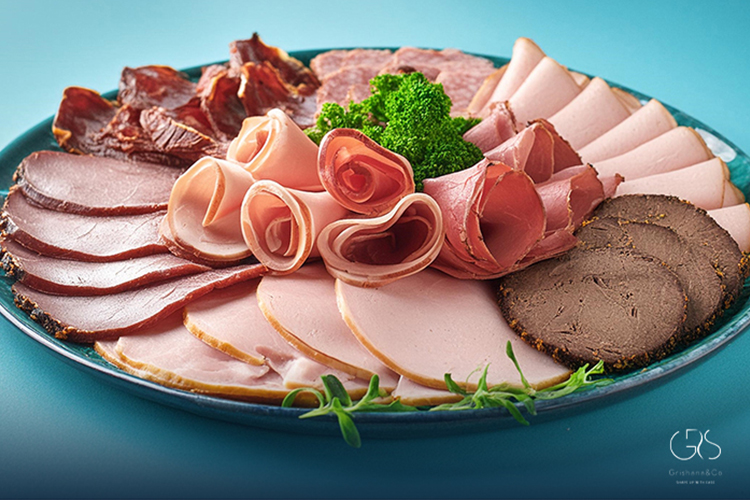
When comparing Ham vs Turkey, the biggest nutritional differences are sodium and fat content, particularly if you’re looking at deli-style processed versions.
Calories and Protein
Both ham and turkey provide high-quality complete protein. A 3-ounce serving of roasted turkey breast contains roughly 125 calories and 26 grams of protein. A similar portion of ham provides about 140 calories and 20 grams of protein. The protein difference is small, but turkey is often leaner per calorie.
Sodium Content
Here’s where the contrast becomes significant. A 3-ounce serving of deli ham can contain 1,000 mg or more of sodium. Deli turkey typically contains 500–800 mg. While both are high compared to fresh meat, ham usually contains substantially more sodium because it is cured. For someone managing hypertension, that difference adds up quickly.
Fat and Saturated Fat
Turkey breast without skin is very low in saturated fat. Ham, depending on the cut, often contains more total fat and more saturated fat. Even lean ham cuts usually contain more saturated fat than skinless turkey breast. That difference matters for LDL cholesterol control.
Ham vs Turkey and Blood Pressure
Let’s focus specifically on hypertension. If your goal is lowering or preventing high blood pressure, sodium is the primary concern.

Processed Ham and Hypertension Risk
Large cohort studies, including data from the Nurses’ Health Study and Health Professionals Follow-Up Study, consistently show higher processed meat consumption is associated with increased risk of hypertension. Because ham is typically cured with salt and sodium nitrate, it tends to be one of the highest-sodium deli options.
Turkey: Not Always Low-Sodium
Turkey isn’t automatically heart-healthy. Many commercial deli turkey products are injected with saline solutions. If you choose heavily processed turkey, sodium can approach ham levels. Reading labels is critical.
Fresh vs Processed Makes a Huge Difference
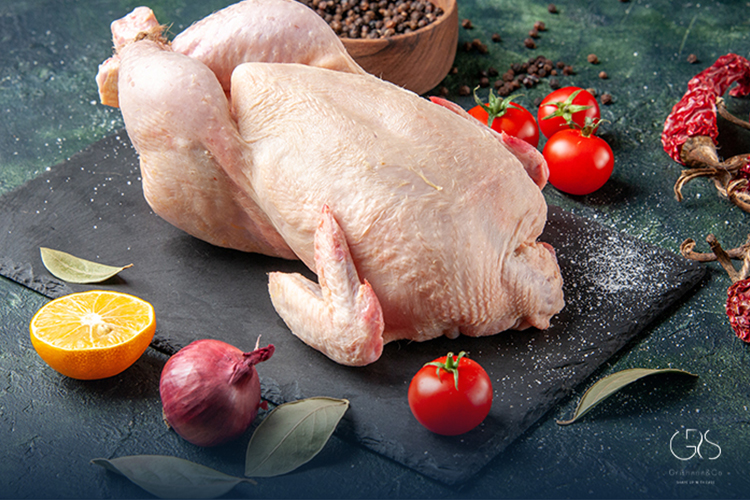
A fresh, roasted turkey breast you cook at home contains dramatically less sodium than deli turkey. Fresh pork (uncured) also contains far less sodium than traditional ham. In the Ham vs Turkey comparison, processing method often matters more than the animal source.
Ham vs Turkey and Cholesterol Levels
Now let’s shift to cholesterol.
Saturated Fat Impact
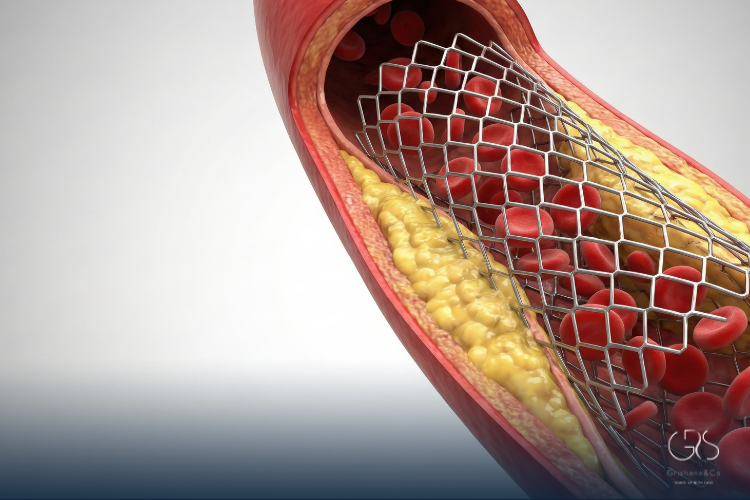
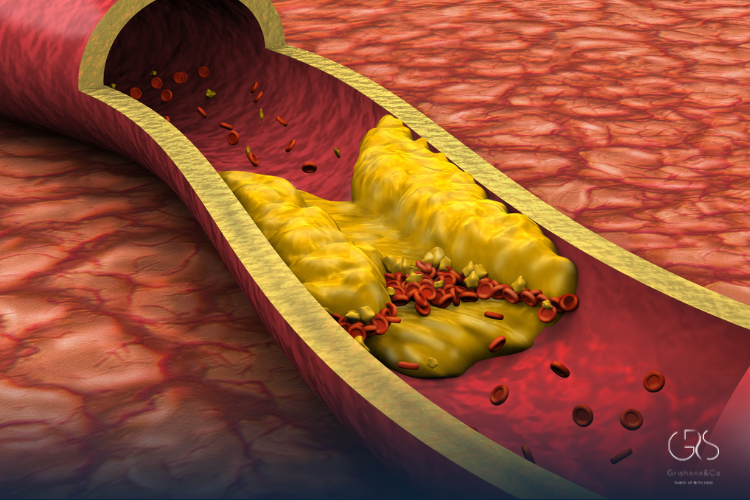
Ham typically contains more saturated fat than skinless turkey breast. Diets higher in saturated fat raise LDL cholesterol, which is directly linked to atherosclerosis. The American College of Cardiology emphasizes limiting saturated fat to reduce cardiovascular risk.
Red Meat vs White Meat Evidence
Ham is derived from pork, which is classified as red meat. Turkey is poultry (white meat). Observational studies often show that replacing red meat with poultry is associated with modest reductions in cardiovascular risk. However, the difference is smaller when both meats are lean and minimally processed.
Processed Meat and Cardiovascular Disease
A 2010 meta-analysis in Circulation found processed meat consumption was associated with a 42% increased risk of coronary heart disease per 50 grams per day. The increased risk was strongly linked to sodium and preservatives rather than saturated fat alone. Since most ham is processed, this evidence weighs heavily in the Ham vs Turkey discussion.
The Role of Nitrates and Preservatives
Another important difference involves curing agents.
Nitrites in Ham
Ham is typically cured using sodium nitrite. During high-heat cooking or digestion, nitrites can form nitrosamines, compounds linked to health concerns. Some “uncured” products still use natural nitrate sources like celery powder, which convert to nitrites.
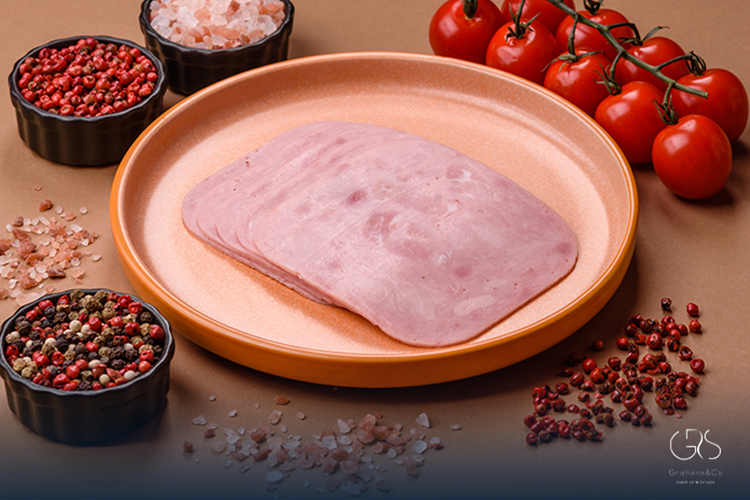
Turkey Processing Differences
Deli turkey may also contain nitrites, but many roasted turkey products do not rely on curing in the same way as ham. Always check labels to see whether nitrates or nitrites are included.
Portion Size and Frequency Matter
Even the healthiest meat can become problematic if consumed frequently in large amounts.
Moderate Consumption
The American Heart Association recommends limiting processed meats overall. If you eat ham occasionally in small portions, the impact on blood pressure and cholesterol may be minimal within an otherwise balanced diet.
Dietary Pattern Over Single Foods
Research consistently shows that overall dietary patterns matter more than individual foods. The Mediterranean diet, rich in vegetables, legumes, whole grains, nuts, and olive oil, is strongly associated with reduced cardiovascular risk. In that context, small portions of lean turkey fit more comfortably than frequent servings of processed ham.
Practical Tips for Choosing Between Ham vs Turkey
If you’re making a choice at the grocery store, here are heart-smart strategies.
Choose Low-Sodium Options
Look for products labeled “low sodium” (140 mg or less per serving). This can dramatically reduce your daily sodium intake.
Prefer Fresh, Home-Cooked Meat
Roast turkey breast or lean pork at home and slice it yourself. This eliminates much of the added sodium found in deli products.
Watch Serving Size
A true serving is about 3 ounces. Many sandwiches contain double that amount, effectively doubling sodium and saturated fat intake.
So, Which Is Better?
When evaluating Ham vs Turkey for blood pressure and cholesterol, turkey especially fresh, skinless turkey breast generally comes out ahead. It typically contains less sodium, less saturated fat, and is associated with slightly lower cardiovascular risk when replacing processed red meat.
However, heavily processed turkey can still be high in sodium. And lean, minimally processed pork is healthier than highly salted deli ham. The real winner depends on preparation method, sodium content, and portion size.
Conclusion
If your goal is better blood pressure and healthier cholesterol levels, the evidence leans toward choosing fresh, skinless turkey over traditional processed ham. The difference is largely driven by sodium and saturated fat content, not just the type of meat itself. Reading labels, limiting processed meats, and focusing on an overall heart-healthy dietary pattern will make a far bigger impact than obsessing over a single sandwich choice. When in doubt, prioritize lower sodium, lower saturated fat, and minimally processed options. Your heart will thank you.
Sources
- Circulation, Red and Processed Meat Consumption and Risk of Incident Coronary Heart Disease, Stroke, and Diabetes Mellitus
- Circulation, Dietary Fats and Cardiovascular Disease: A Presidential Advisory From the American Heart Association
- World Health Organization, Cancer: Carcinogenicity of the consumption of red meat and processed meat
- American Heart Association, Sodium