



Blood quietly supports every system in the human body, transporting oxygen, nutrients, hormones, and immune cells that keep us alive. Yet blood is not identical in everyone. Each person belongs to a specific Blood Type, a biological classification that plays a critical role in medical safety, immune reactions, and even disease susceptibility. While many people only learn about their blood group during a medical emergency or pregnancy, understanding how blood types work can provide valuable insight into how the body interacts with the world.
What Is Blood Type and Why It Matters
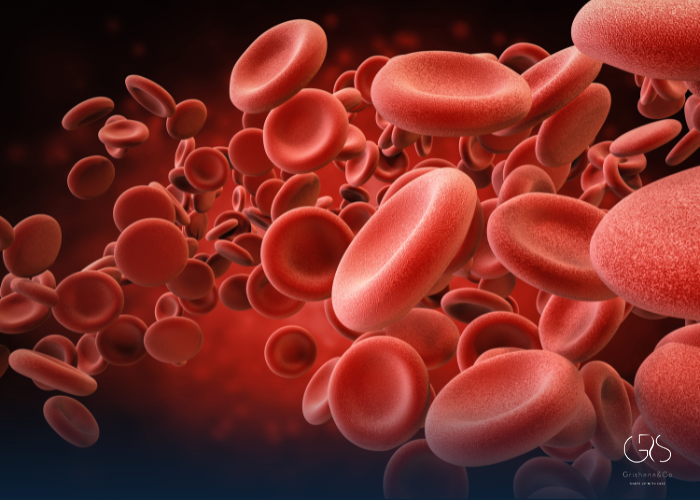
A Blood Type is determined by specific molecules, called antigens, found on the surface of red blood cells. These antigens help the immune system distinguish between the body’s own cells and foreign invaders. From a clinical perspective, knowing someone’s blood classification is essential for safe transfusions, organ transplants, and maternal care. Beyond emergency medicine, research shows that blood group differences may influence clotting tendencies, inflammation, and vulnerability to certain infections.
The Genetic Basis of Blood Type
Blood group classification is inherited from parents through genes passed down at conception. The ABO gene system determines whether a person has type A, B, AB, or O blood. Each parent contributes one allele, and the combination defines the child’s blood group. This genetic process follows predictable inheritance patterns, making it one of the most well-understood examples in human genetics.
Antigens and Antibodies: How the Immune System Responds
Antigens are structures on red blood cells that trigger immune recognition. Antibodies are proteins circulating in plasma that target unfamiliar antigens. For example, someone with type A blood naturally produces antibodies against type B antigens. This immune defense system is the reason incompatible transfusions can be dangerous, as the body may attack donated red blood cells.
The ABO Blood Group System Explained
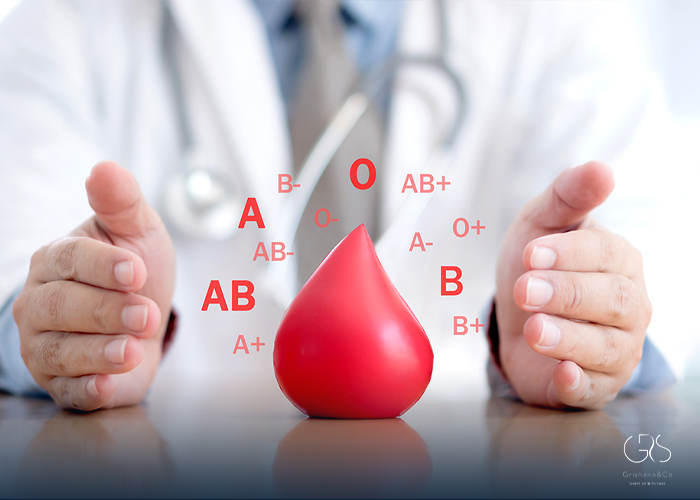
The ABO system is the foundation of modern blood classification. It divides human blood into four main categories based on antigen presence: A, B, AB, and O. Each group interacts differently with the immune system, affecting transfusion compatibility.
Characteristics of Blood Type A
People with type A blood have A antigens on their red blood cells and anti-B antibodies in their plasma. They can safely receive blood from type A or type O donors. Scientific studies have found that individuals with this group may have slightly higher levels of certain clotting proteins, which could influence cardiovascular risk under specific conditions.
Characteristics of Blood Type B
Type B blood carries B antigens and anti-A antibodies. Individuals with this group can receive blood from type B or type O donors. Research suggests subtle immune response differences in people with this blood classification, particularly in how their immune system reacts to certain bacterial infections.
Characteristics of Blood Type AB
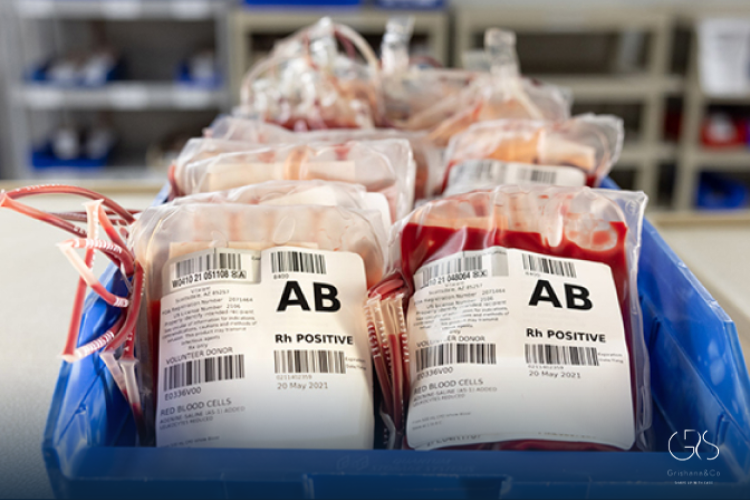
Blood type AB is the least common in many populations. It contains both A and B antigens and lacks anti-A and anti-B antibodies. This unique combination allows people with AB blood to receive red blood cells from any ABO group, making them universal recipients within the ABO system.
Characteristics of Blood Type O
Type O blood does not carry A or B antigens but contains antibodies against both. This allows type O red blood cells to be safely donated to all ABO groups. Some studies suggest that individuals with this group may have a lower risk of coronary heart disease but a higher susceptibility to certain gastrointestinal infections.
The Rh Factor and Its Medical Importance
Beyond the ABO system, blood is also classified by the Rh factor, most commonly the D antigen. This marker further divides each ABO group into Rh-positive or Rh-negative categories.
Rh-Positive and Rh-Negative Differences
Rh-positive individuals carry the D antigen on their red blood cells, while Rh-negative individuals do not. Exposure of Rh-negative individuals to Rh-positive blood can lead to antibody production, which becomes medically significant during transfusions or pregnancy.
Rh Factor and Pregnancy Safety
Rh incompatibility can occur when an Rh-negative mother carries an Rh-positive fetus. Without preventive treatment, maternal antibodies may affect future pregnancies. Today, routine Rh immunoglobulin injections have made this condition largely preventable, dramatically improving maternal and newborn outcomes.
Blood Type and Transfusion Compatibility
Blood transfusion safety depends entirely on matching compatible blood groups. Even small mismatches can trigger severe immune reactions.
What Happens in Incompatible Transfusions
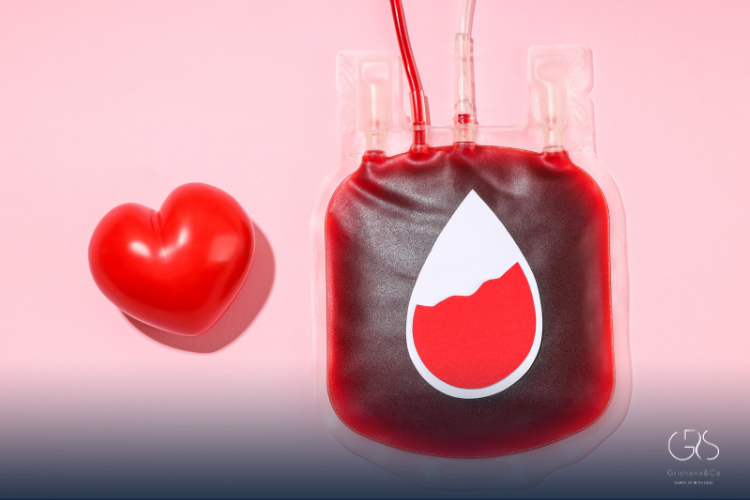
When incompatible blood enters the bloodstream, antibodies bind to foreign antigens and cause rapid destruction of red blood cells. This process can lead to kidney failure, shock, or death if not treated immediately. Strict testing protocols exist to prevent these reactions.
Universal Donors and Emergency Use
Type O negative blood is often used in emergencies when there is no time for blood typing. Conversely, AB positive individuals can receive blood from all ABO and Rh groups, highlighting how blood diversity supports lifesaving medical care.
Blood Type and Disease Risk: Scientific Evidence
Over recent decades, large-scale studies have explored links between blood group classification and disease susceptibility. While blood group alone does not determine health outcomes, it can influence risk patterns.
Cardiovascular Disease and Blood Groups
Population-based research has shown that non-O blood groups may have a modestly higher risk of heart disease. This appears related to elevated levels of clotting factors such as von Willebrand factor, which vary by blood group.
Blood Groups and Infectious Diseases
Certain pathogens interact with red blood cell antigens. For example, type O blood has been associated with protection against severe malaria, while also being linked to increased susceptibility to cholera. These relationships highlight how human evolution and infectious diseases are closely connected.
Blood Type Diets: Science vs Popular Claims
Blood group–based diets gained popularity through books and online wellness trends, but scientific evidence does not support their effectiveness.
What Research Says About Blood Group Diets
Systematic reviews have found no credible evidence that eating according to blood group improves health outcomes. Reported benefits are more likely due to general improvements in diet quality rather than alignment with blood classification.
Evidence-Based Nutrition Advice
Modern nutrition science supports balanced diets tailored to individual health needs, lifestyle, and metabolic factors. Blood group alone is not a reliable guide for dietary planning.
How to Know Your Blood Type
Knowing your blood group can be useful for emergencies, medical procedures, and pregnancy planning.
Medical Testing and Blood Donation
Blood typing is routinely performed during blood donation and many medical tests. Donation centers typically inform donors of their blood group after screening.
At-Home Blood Group Tests
Home testing kits can provide accurate results when used properly, but medical confirmation is recommended, especially for clinical decision-making.
Global Distribution of Blood Types
Blood group frequencies vary widely across geographic regions and populations.
Blood Group Patterns Around the World
Type O is the most common worldwide, especially in Central and South America. Type B is more prevalent in parts of Asia, while type A is more common in Europe. These patterns reflect ancient migration and evolutionary pressures.
Why Blood Group Diversity Exists
Scientists believe blood group variation provided survival advantages against region-specific diseases. This diversity remains a key feature of human biological adaptation.
Conclusion
Blood Type is a fundamental biological characteristic that influences transfusion safety, pregnancy care, immune responses, and disease risk. While it does not dictate lifestyle or overall health, understanding how blood groups function provides essential insight into human biology and medical decision-making. As research continues to explore these connections, one fact remains clear: knowing your blood group is a simple piece of information that can save lives when it matters most.
Sources
- National Library of Medicine, The ABO blood group
- , Human ABO Blood Groups and Their Associations with Different Diseases