



Caffeine is one of the most widely consumed psychoactive substances worldwide. Found in coffee, tea, chocolate, energy drinks, and some medications, it’s often associated with focus and energy. However, for a small number of people, caffeine can trigger immune reactions rather than simple stimulation. Recognizing caffeine allergy symptoms is crucial when reactions go beyond feeling jittery or restless.
Many people confuse allergy with intolerance, which leads to delayed diagnosis and unnecessary exposure. From a scientific standpoint, a caffeine allergy is rare but real, and understanding how it works can help protect your health and improve daily comfort.
What Is a Caffeine Allergy?
A caffeine allergy occurs when the immune system incorrectly identifies caffeine as a harmful substance. This leads to the production of IgE antibodies and the release of inflammatory mediators such as histamine.
Unlike intolerance, which affects digestion or the nervous system, allergy-related reactions involve immune activation and can affect multiple organs.

Caffeine Allergy vs Sensitivity
Sensitivity typically causes nervousness, insomnia, or digestive discomfort due to caffeine’s stimulant properties. In contrast, caffeine allergy symptoms include immune-driven reactions like skin rashes, swelling, or breathing issues.
Is a Caffeine Allergy Scientifically Recognized?
Yes. Medical case reports published in peer-reviewed journals confirm IgE-mediated allergic responses to caffeine, including severe systemic reactions. While uncommon, its existence is well supported in allergy research.
Key Caffeine Allergy Symptoms to Watch For
Symptoms usually appear shortly after exposure and may intensify with repeated intake. Severity varies widely between individuals.
Skin Reactions Linked to Caffeine Allergy Symptoms
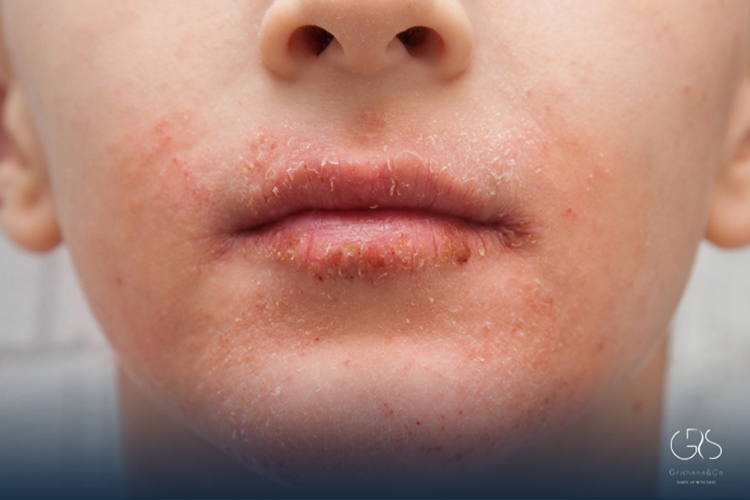
Skin involvement is one of the most frequently reported manifestations. These reactions result from histamine release and increased vascular permeability.
Common signs include:
- Hives or itchy welts
- Facial flushing
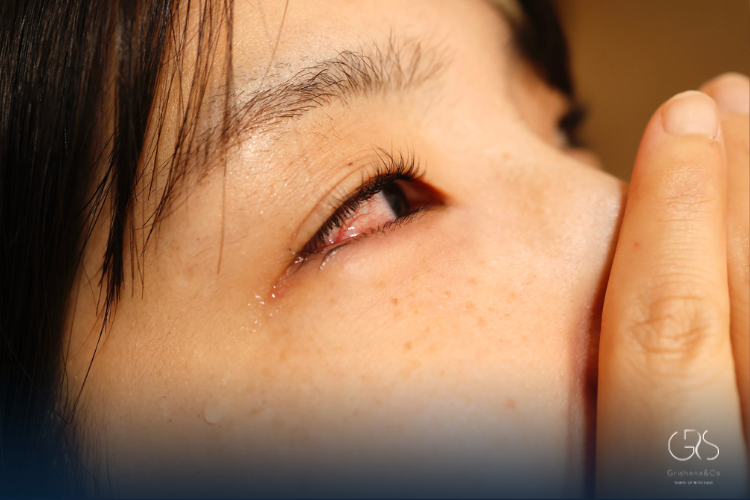
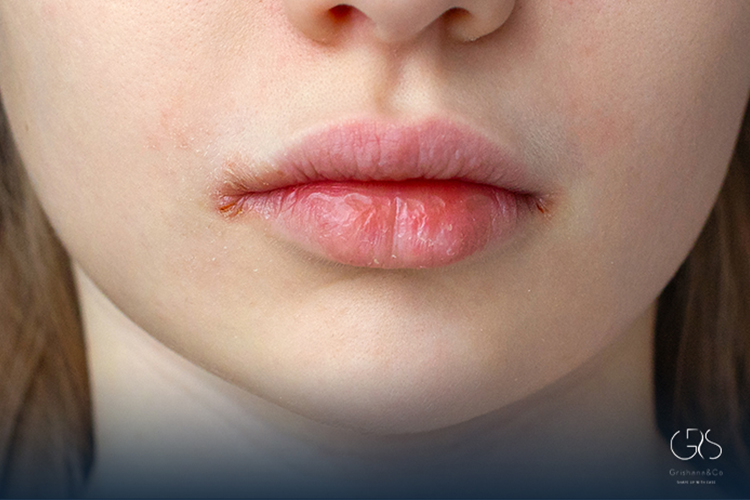
- Swelling of lips or eyelids
- Eczema-like rashes

Respiratory and Heart-Related Symptoms
More serious caffeine allergy symptoms affect breathing and circulation and require immediate medical attention.
They may include:
- Wheezing or chest tightness
- Shortness of breath
- Rapid heartbeat
- Dizziness or fainting
In rare cases, anaphylaxis can occur.
Why Do These Symptoms Occur?
The underlying mechanism involves immune sensitization. Although caffeine is a small molecule, it can bind to proteins in the body and trigger an allergic cascade.
Immune System Response Explained
In affected individuals, exposure activates IgE antibodies on mast cells, causing the release of histamine and cytokines. This leads to inflammation affecting the skin, lungs, and cardiovascular system.
Risk Factors That Increase Susceptibility
People with asthma, eczema, or other allergic conditions may be more prone. Genetics and repeated exposure may also play a role in developing sensitivity at the immune level.
How Common Are Caffeine Allergy Symptoms?
True allergy to caffeine is extremely rare compared to intolerance or anxiety-related reactions.
What the Research Indicates
There are no large epidemiological studies, but available case reports suggest prevalence well below 1%. Most adverse reactions to caffeine are non-allergic in nature.
Why Misdiagnosis Is Common
Overlapping symptoms with panic attacks, reflux, or heart rhythm disturbances often lead to misinterpretation. Without visible skin or respiratory signs, allergy is frequently overlooked.
How Caffeine Allergy Symptoms Are Diagnosed
Diagnosis requires evaluation by a healthcare professional, usually an allergist.
Medical Testing Options
Skin testing, serum IgE measurements, and controlled oral challenges may be used. Due to limited standardized testing for caffeine, diagnosis relies heavily on clinical history.
The Importance of Symptom Tracking
Keeping a food and symptom diary helps identify consistent reactions and supports accurate diagnosis.
Common Sources That Trigger Reactions
Avoidance can be challenging because caffeine appears in many products.
Obvious Dietary Sources
These include coffee, tea, energy drinks, cola, and certain sports beverages.
Hidden Sources You Might Miss
Chocolate, pre-workout supplements, headache medications, and weight-loss products often contain caffeine or related compounds.
Living Safely With Caffeine Allergy Symptoms
There is no cure, but proper management allows most people to live comfortably.
Daily Management Strategies
Strict avoidance is the cornerstone of treatment. Herbal teas and caffeine-free alternatives are usually safe, though labels should always be checked.
Emergency Preparedness
Individuals with a history of severe caffeine allergy symptoms may be prescribed antihistamines or an epinephrine auto-injector and advised to carry medical identification.
Do Caffeine Allergy Symptoms Change Over Time?
Allergic conditions can evolve, and symptom severity may fluctuate.
Can Reactions Become More Severe?
Yes. Continued exposure can increase immune sensitivity, potentially leading to stronger reactions.
Can the Allergy Resolve?
There is limited research on remission. Any attempt to reintroduce caffeine should only be done under medical supervision.
When Medical Advice Is Necessary
Seek medical care if you experience swelling, breathing difficulty, or cardiovascular symptoms after caffeine exposure. Early recognition reduces risks and improves long-term outcomes.
Conclusion
While caffeine is safe for most people, a small subset experiences immune-based reactions that should not be ignored. Understanding caffeine allergy symptoms helps distinguish a true allergy from intolerance or anxiety-related responses. With accurate diagnosis, avoidance strategies, and medical guidance, individuals affected can protect their health and maintain a high quality of life.
Sources
- NY Allergy, Caffeine Allergy
- Allergy Los Angeles, Caffeine Allergy, is it real?
- Cleveland Clinic, Caffeine Sensitivity