Menu
Written by Grishana Health
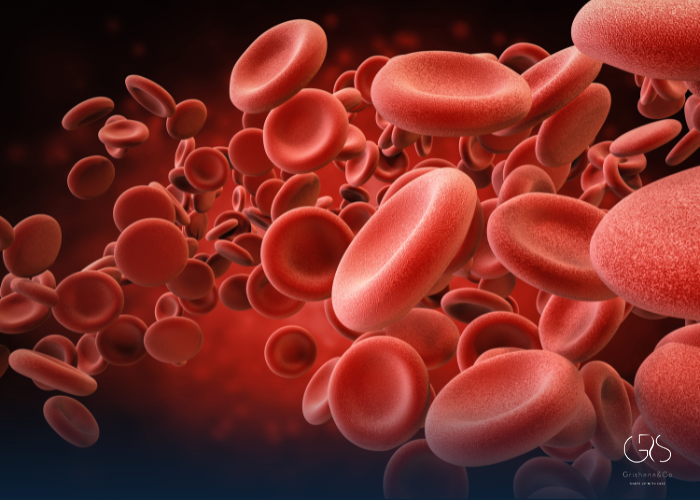
Blood quietly supports every system in the human body, transporting oxygen, nutrients, hormones, and immune cells that keep us alive. ...
When people hear the term blood thinners, many imagine medications that literally make blood watery. In reality, these drugs do ...
Many people go years without realizing their body is running low on Vitamin B12. Because this nutrient supports nerve function, ...
Iron deficiency anemia is one of the most widespread nutritional conditions in the world, affecting people of all ages from ...
A high white blood cell count (also called leukocytosis) is one of the most common findings in routine blood tests. ...
Blood clots, medically known as thrombosis, are a leading cause of morbidity and mortality worldwide. They can obstruct the normal ...
Recent research has provided new insights into the connection between blood type and stroke risk, with a particular emphasis on ...
Blood cancer, also known as hematologic cancer, refers to a wide range of malignancies that affect the production and function ...
Blood clot, medically known as thrombus, is a clump of blood that transforms from a liquid to a gel-like state, ...
Hematuria, the presence of red blood cells in urine, can be a concerning symptom. It is important to understand the ...
Vasculitis is a group of rare autoimmune disorders characterized by inflammation of blood vessels, resulting in restricted blood flow and ...
Thalassemia is an inherited blood disorder that affects the production of hemoglobin, a protein in red blood cells responsible for ...