


Discovering that your child has a food allergy can feel overwhelming, confusing, and even frightening. You may worry about everyday meals, school lunches, birthday parties, or accidental exposures. A child food allergy is not just a dietary issue; it’s a medical condition that affects daily life, emotional wellbeing, and family routines. The good news is that modern science has transformed how we understand, diagnose, and manage food allergies in children. With the right knowledge and preparation, most children with food allergies can live healthy, active, and joyful lives.
This guide walks you through everything you need to know, based on current scientific evidence, while keeping the tone practical, reassuring, and parent-focused.
Understanding Child Food Allergy
A child food allergy occurs when the immune system mistakenly identifies a harmless food protein as dangerous and launches an immune response. This response can happen within minutes or hours after eating the food and may affect the skin, digestive system, respiratory tract, or cardiovascular system.
Unlike food intolerances, which involve digestion and discomfort, food allergies involve the immune system and can be life-threatening. Research published in The Journal of Allergy and Clinical Immunology shows that food allergies affect approximately 6–8% of children worldwide, with prevalence rising over the past few decades.
What Makes Child Food Allergy Different From Intolerance
Food intolerance does not involve the immune system and typically causes symptoms like bloating or stomach pain. In contrast, a child food allergy can trigger hives, swelling, vomiting, breathing difficulties, or anaphylaxis. Even trace amounts of the allergen can cause reactions.
Why Food Allergies Are Increasing in Children
Scientists believe multiple factors contribute to the rise in child food allergy, including changes in diet, reduced microbial exposure, vitamin D deficiency, environmental factors, and delayed exposure to allergenic foods. The “dual allergen exposure hypothesis” suggests that early skin exposure combined with delayed oral exposure may increase allergy risk.
Common Foods That Trigger Child Food Allergy
While any food can cause an allergy, eight foods account for over 90% of allergic reactions in children.
Most Common Allergenic Foods in Children
The most frequent triggers include milk, eggs, peanuts, tree nuts, wheat, soy, fish, and shellfish. Peanut and tree nut allergies are particularly concerning because they are often lifelong and associated with severe reactions.
Hidden Allergens Parents Often Miss
Allergens can appear in unexpected places such as sauces, baked goods, processed meats, and even cosmetics. Studies emphasize that accidental exposure is one of the most common causes of allergic reactions in children with known allergies.
Symptoms of Child Food Allergy Parents Should Never Ignore
Symptoms of a child food allergy can vary widely and may appear rapidly or gradually. Recognizing early signs is critical.
Mild to Moderate Allergy Symptoms
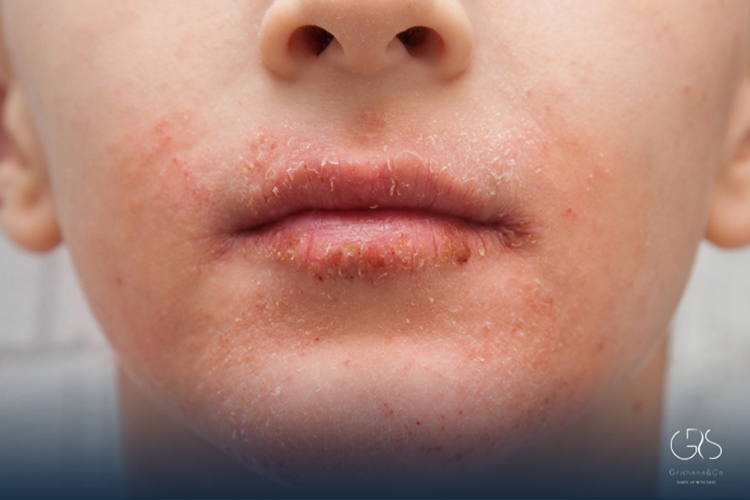
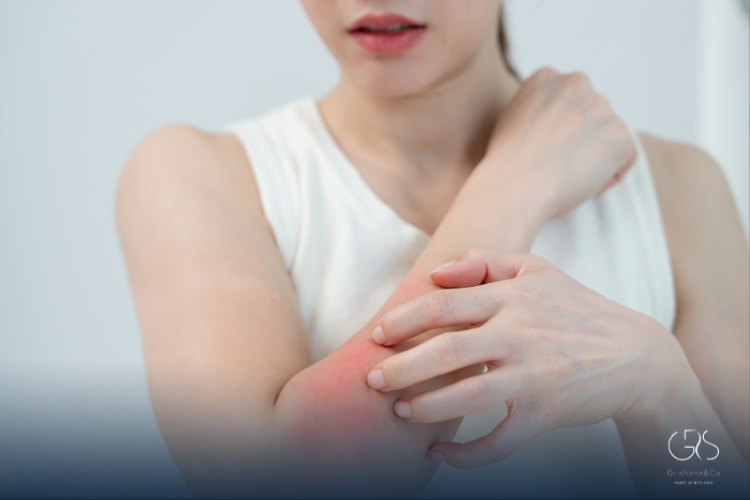
These may include hives, itching, eczema flares, nausea, vomiting, diarrhea, nasal congestion, or coughing. Although considered mild, these symptoms still require medical evaluation.
Anaphylaxis and Emergency Warning Signs
Anaphylaxis is a severe, potentially fatal reaction involving breathing difficulty, throat swelling, sudden drop in blood pressure, dizziness, or loss of consciousness. According to the World Allergy Organization, epinephrine is the first-line treatment and should be administered immediately.
How Child Food Allergy Is Diagnosed Scientifically
Accurate diagnosis is essential to avoid unnecessary food restrictions or dangerous exposure.
Medical History and Allergy Testing
Doctors begin by reviewing symptom patterns, timing, and suspected foods. Skin prick tests and blood tests measuring food-specific IgE antibodies are commonly used but cannot diagnose allergies alone.
Oral Food Challenges and Accuracy
The oral food challenge is considered the gold standard for diagnosing child food allergy. Conducted under medical supervision, it confirms whether a child can safely consume a specific food. Research shows this method significantly reduces misdiagnosis.
Managing Child Food Allergy in Daily Life
Living with a child food allergy requires planning, education, and flexibility, but it does not mean constant fear.
Reading Labels and Avoiding Cross-Contamination
Food labeling laws in many countries require clear allergen disclosure, but parents must still watch for cross-contamination warnings. Studies highlight that shared cooking surfaces are a major source of accidental exposure.
School, Social Events, and Safety Planning
Communication with schools, caregivers, and parents of friends is essential. Individualized allergy action plans reduce emergency incidents and improve confidence in managing reactions.
Nutrition and Growth in Children With Food Allergy
One of the biggest concerns for parents is whether avoiding certain foods will affect growth and nutrition.
Ensuring Balanced Nutrition Safely
Research in Pediatrics confirms that children with food allergies can achieve normal growth with proper dietary planning. Alternatives such as fortified plant milks, allergy-safe proteins, and supplements can meet nutritional needs.
Working With Dietitians and Allergists
Registered dietitians specializing in allergies help families avoid deficiencies in calcium, iron, protein, and vitamins. Scientific evidence shows that professional guidance significantly improves nutritional outcomes.
Can Child Food Allergy Be Prevented or Outgrown?
Parents often ask whether their child will outgrow a food allergy or if it can be prevented.
Early Food Introduction and Allergy Risk
Landmark studies like the LEAP trial demonstrated that early peanut introduction significantly reduces the risk of developing peanut allergy in high-risk infants. Current guidelines now encourage early, supervised introduction.
Which Food Allergies Are Often Outgrown
Milk, egg, wheat, and soy allergies are commonly outgrown during childhood. In contrast, peanut, tree nut, fish, and shellfish allergies are more likely to persist into adulthood.

New Treatments and Research in Child Food Allergy
Science is rapidly advancing, offering hope beyond strict avoidance.
Oral Immunotherapy and Emerging Options
Oral immunotherapy (OIT) involves gradually introducing small amounts of allergenic foods to build tolerance. Clinical trials show OIT can significantly reduce reaction severity, though it is not a cure.
The Future of Food Allergy Care
Researchers are exploring biologic therapies, microbiome-based treatments, and vaccines. Ongoing studies aim to improve safety, effectiveness, and long-term tolerance outcomes for children.
Emotional Impact of Child Food Allergy on Families
Beyond physical symptoms, a child food allergy affects emotional health and family dynamics.
Anxiety, Social Stress, and Quality of Life
Studies show that parents of children with food allergies experience higher anxiety levels than parents of children with other chronic conditions. Children may feel isolated or fearful in social settings.
Building Confidence and Resilience
Education, emergency preparedness, and supportive communities empower families. Psychological support and peer groups have been shown to improve coping and quality of life.
Conclusion
A child food allergy is a serious medical condition, but it is also manageable with the right knowledge, preparation, and support. Science has clarified the causes, improved diagnostic accuracy, and expanded treatment options, giving families more control and confidence than ever before. By understanding symptoms, avoiding triggers, ensuring proper nutrition, and staying informed about new research, parents can help their children thrive safely. With education and compassion, a diagnosis of food allergy becomes not a limitation, but a condition that families learn to navigate together.
Sources
- American Academy of Pediatrics, Management of Food Allergy in Schools: Clinical Report
- MDPI, Impact of Childhood Food Allergy on Quality of Life: A Systematic Review
- Springer Nature, The Natural History and Risk Factors for the Development of Food Allergies in Children and Adults