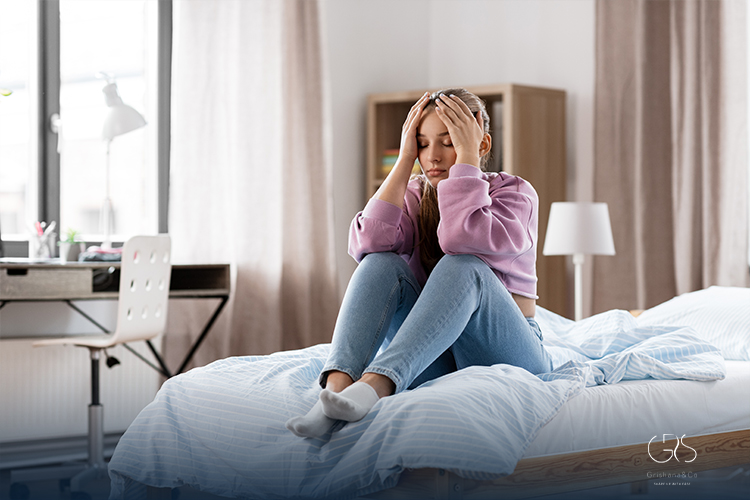



Depression is more than persistent sadness. It affects the way you think, move, eat, and very often, the way you sleep. If you’ve ever found yourself exhausted but unable to fall asleep, or sleeping far too much yet never feeling rested, you are not alone. The relationship between depression and sleep is complex, deeply biological, and supported by decades of scientific research.
Sleep disturbance is one of the core symptoms of major depressive disorder. In fact, studies show that up to 90% of people with depression report some kind of sleep difficulty, most commonly insomnia (American Psychiatric Association, DSM-5). But this connection goes both ways. Poor sleep can also increase the risk of developing depression. Understanding how depression and sleep interact can help you make sense of what your body and brain may be going through.
Understanding Depression and Sleep Disturbances
When we talk about depression and sleep, we’re not just talking about “feeling tired.” We’re referring to measurable changes in sleep architecture, circadian rhythm, and brain chemistry.
Why Insomnia Is So Common in Depression
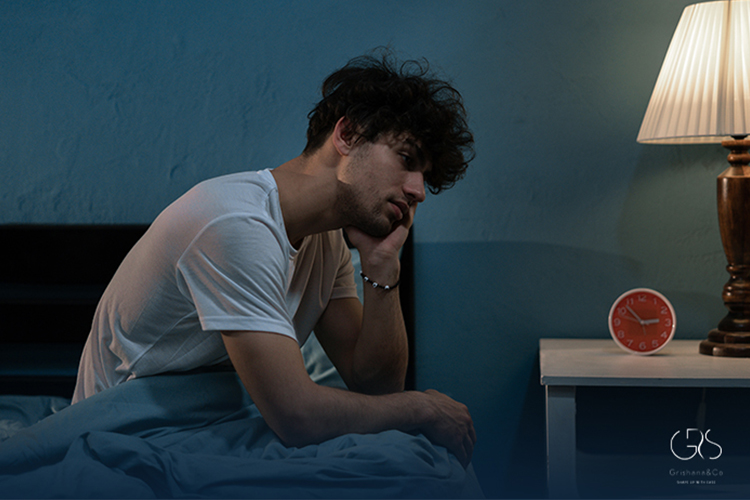
Insomnia is the most frequent sleep complaint in depression. It can show up as difficulty falling asleep, frequent nighttime awakenings, or waking up too early and being unable to fall back asleep. Research published in Sleep Medicine Reviews reports that approximately 75% of depressed patients experience insomnia symptoms. This isn’t just stress keeping you awake. Depression affects neurotransmitters like serotonin, norepinephrine, and dopamine, all of which regulate mood and sleep cycles.
Hypersomnia: Sleeping Too Much but Never Rested
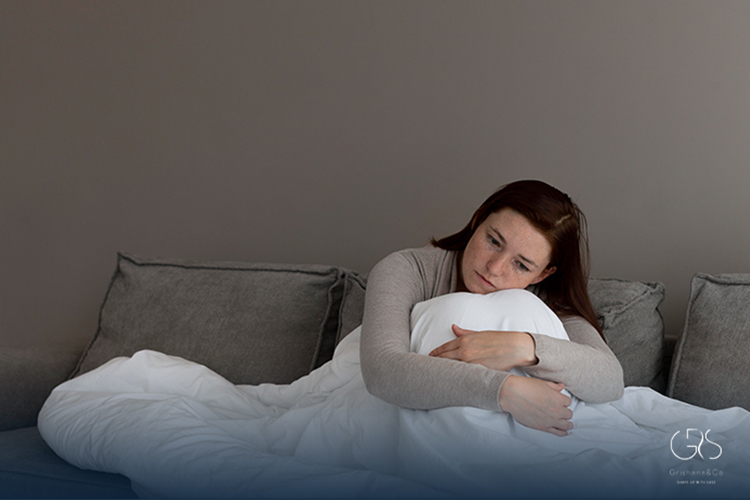
While insomnia is common, some people with depression experience hypersomnia, meaning prolonged sleep duration or excessive daytime sleepiness. Hypersomnia is particularly common in atypical depression. Even after 10 or more hours of sleep, individuals often report feeling unrefreshed. This reflects altered sleep quality rather than just sleep quantity.
The Brain Chemistry Behind Depression and Sleep
To understand why depression changes sleep, we need to look at the brain.
The Role of Serotonin and Melatonin
Serotonin helps regulate mood and is also a precursor to melatonin, the hormone that signals your body it’s time to sleep. In depression, serotonin pathways can become dysregulated. This disruption can interfere with melatonin production and timing, making it harder to fall or stay asleep.
REM Sleep Changes in Depression
One of the most consistent findings in sleep research is altered REM (rapid eye movement) sleep in people with depression. Studies using polysomnography show that depressed individuals often enter REM sleep more quickly (shortened REM latency) and spend more time in REM overall. Increased REM density has also been observed. These changes are so reliable that they are considered biological markers of depression in research settings.
Circadian Rhythm Disruption
Your circadian rhythm is your internal 24-hour clock. It regulates when you feel awake and when you feel sleepy. Depression and sleep are closely tied to disruptions in this rhythm.
Shifted Biological Clock
Research in molecular psychiatry shows that depression is associated with altered expression of clock genes, which regulate circadian rhythms. Some people experience delayed sleep phase, staying awake very late and struggling to wake in the morning. Others wake up unusually early, a symptom known as early morning awakening, which is classic in major depression.
Cortisol and the Stress Response
Cortisol, the stress hormone, follows a daily rhythm. In depression, this rhythm can become dysregulated. Elevated nighttime cortisol levels can increase arousal and make restful sleep difficult. Hyperactivity of the hypothalamic-pituitary-adrenal (HPA) axis is frequently observed in major depressive disorder, contributing to both mood symptoms and sleep fragmentation.
Inflammation, Depression and Sleep
Modern research increasingly points to inflammation as a shared mechanism linking depression and sleep problems.
Pro-Inflammatory Cytokines
People with depression often show elevated levels of inflammatory markers such as interleukin-6 (IL-6) and tumor necrosis factor-alpha (TNF-α). These cytokines influence sleep regulation. While short-term inflammation can increase sleepiness, chronic low-grade inflammation may disrupt restorative sleep and contribute to fatigue.
The Bidirectional Cycle
Sleep deprivation itself increases inflammatory markers. This creates a vicious cycle: depression disrupts sleep, poor sleep increases inflammation, and inflammation can worsen depressive symptoms. Breaking this cycle is often a key part of treatment.
How Poor Sleep Can Worsen Depression
The connection between depression and sleep is not one-directional. Persistent insomnia significantly increases the risk of developing depression. A meta-analysis in JAMA Psychiatry found that individuals with insomnia have roughly double the risk of developing depression compared to good sleepers.
Emotional Regulation and Sleep Loss
Sleep plays a critical role in emotional processing. Neuroimaging studies show that sleep deprivation heightens amygdala reactivity, making emotional responses stronger and harder to regulate. At the same time, connectivity between the amygdala and prefrontal cortex weakens, reducing rational emotional control. For someone already vulnerable to depression, this can intensify negative thinking patterns.
Cognitive Function and Rumination
Lack of sleep impairs concentration, memory, and decision-making. It also increases rumination, the repetitive negative thinking common in depression. When you lie awake at night, your mind may loop through worries and regrets, reinforcing depressive thought cycles.
Treatment Approaches Targeting Depression and Sleep
Because depression and sleep are so intertwined, effective treatment often addresses both.
Cognitive Behavioral Therapy for Insomnia (CBT-I)
CBT-I is a structured, evidence-based therapy designed to treat insomnia. Studies show that when insomnia is treated in people with depression, depressive symptoms often improve as well. CBT-I focuses on sleep scheduling, stimulus control, and cognitive restructuring around sleep anxiety.
Antidepressants and Sleep Architecture
Some antidepressants can improve sleep continuity, particularly sedating antidepressants like trazodone or mirtazapine. Selective serotonin reuptake inhibitors (SSRIs), however, may initially worsen sleep in some individuals. It’s important to tailor medication choices to individual sleep patterns.
Light Therapy and Circadian Reset
Light therapy has strong evidence for seasonal affective disorder and emerging evidence for nonseasonal depression. Morning bright light exposure can help regulate circadian rhythms and improve both mood and sleep timing.
(For more information, please read this article about the treatment of depression.)
Lifestyle Strategies Supported by Science
Medical treatment is important, but lifestyle adjustments also play a meaningful role in restoring healthy sleep.
Consistent Sleep-Wake Timing
Maintaining a regular sleep schedule strengthens circadian rhythms. Research shows that irregular sleep timing is associated with increased depressive symptoms.
Physical Activity and Sleep Quality
Moderate aerobic exercise has been shown to improve sleep efficiency and reduce depressive symptoms. Exercise influences neurotransmitters, reduces inflammation, and stabilizes circadian rhythms.
Limiting Evening Light Exposure
Blue light from screens suppresses melatonin production. Reducing screen exposure in the hour before bed can support more natural sleep onset, particularly for individuals whose depression is linked to circadian delay.
Why Addressing Depression and Sleep Early Matters
Ignoring sleep disturbances in depression can prolong recovery. Longitudinal studies suggest that persistent insomnia predicts relapse of depression even after mood symptoms improve. In other words, sleep problems are not just side effects; they can be warning signs.
If you are struggling, it is important to know that these sleep changes are not a personal failure. They reflect real biological shifts in brain chemistry, stress hormones, inflammation, and circadian timing. Understanding the science behind depression and sleep can reduce self-blame and encourage earlier intervention.
Conclusion
The relationship between depression and sleep is deeply interconnected and biologically grounded. Depression alters neurotransmitters, REM sleep patterns, circadian rhythms, cortisol levels, and inflammatory pathways. In turn, chronic sleep disruption can worsen mood, impair emotional regulation, and increase the risk of persistent depressive episodes. The good news is that addressing sleep directly—through therapy, medication, light exposure, exercise, and consistent routinescan significantly improve both rest and mood. If sleep has become a nightly battle, it may not just be insomnia. It may be your brain asking for comprehensive care. Treating both mood and sleep together offers the strongest path toward recovery.
Sources
- ScienceDirect, REM sleep dysregulation in depression: State of the art
- National Library of Medicine, Insomnia as a predictor of depression: a meta-analytic evaluation of longitudinal epidemiological studies