


For many people, eating red meat is part of cultural traditions, social gatherings, or simply a flavor preference. Others avoid it out of health concerns. But beyond opinions and trends, the true question is what actually happens inside your body when eating red meat becomes a regular habit. Modern research provides a deeper, clearer picture one that includes both benefits and potential risks. This article explores the scientific findings in a human-centered, reader-friendly way, giving you the information you need to make balanced choices without fear or confusion.
How Eating Red Meat Influences Digestion
Your digestive system is the first area affected when eating red meat. Red meat is rich in protein and fat, which require more digestive effort compared to lighter proteins or plant-based foods.
The digestive workload of eating red meat
Protein from meat triggers the release of stomach acid and digestive enzymes. This is normal and even beneficial in moderate amounts, but consuming large portions frequently can slow digestion for some people. Individuals with sluggish digestion may notice heaviness, bloating, or discomfort after particularly fatty or large servings.
Gut microbiome reactions
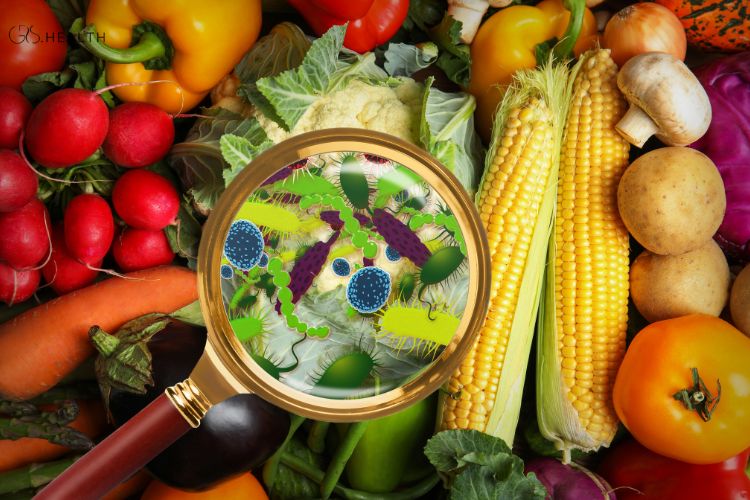
Several studies, including those from the Cleveland Clinic, show that certain gut bacteria convert components of red meat into TMAO, a compound linked to increased heart disease risk. This doesn’t happen equally in all people; your gut microbiome, genetics, and diet diversity influence how much TMAO your body produces. Still, high-frequency eating red meat appears to shift microbial patterns in ways that scientists continue to study.
Cooking style and digestive inflammation
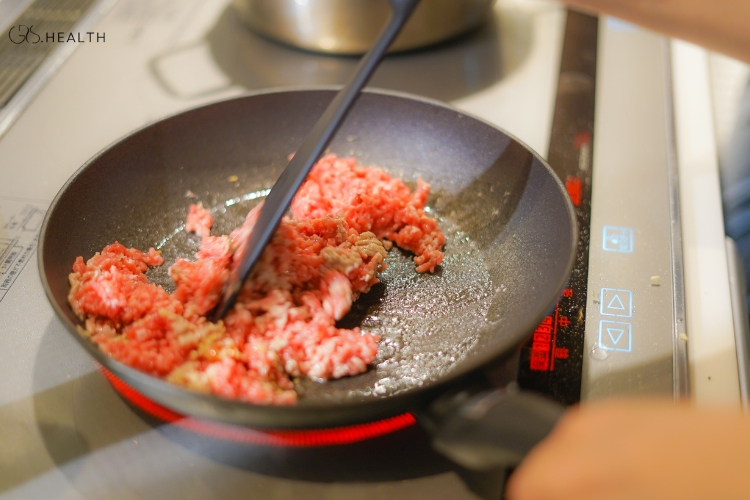
High-heat cooking—such as charring or pan-frying—can create compounds like HCAs and PAHs. These substances have been associated with inflammation in laboratory studies. Choosing gentler cooking methods reduces these compounds significantly.
Eating Red Meat and Heart Health
Heart health is one of the most widely researched topics related to red meat. While findings vary, there are consistent themes worth understanding.
Saturated fat and cholesterol levels
Red meat contains saturated fat, which can raise LDL cholesterol in some individuals. However, the response varies widely from person to person. Some studies show minimal changes, while others show higher LDL levels after long-term eating red meat. Your genetics, fiber intake, and overall dietary patterns influence these results.
TMAO formation and cardiovascular pathways
Gut bacteria convert L-carnitine from red meat into TMAO. Elevated TMAO has been observed in people with greater cardiovascular risk. The mechanism appears to involve inflammation and changes in arterial plaque formation. Reducing frequency of eating red meat has been shown to lower TMAO levels in many participants of controlled studies.
Processed vs. unprocessed red meat
It’s important to differentiate between the two. Processed meats,sausages, bacon, deli meats consistently show higher associations with heart disease. Unprocessed meat, however, shows more moderate and mixed results. This distinction is crucial for dietary planning.
Eating Red Meat and Its Robust Nutritional Benefits
Despite its controversies, eating red meat provides nutrients that are difficult to obtain in meaningful amounts elsewhere.
Highly bioavailable iron
Iron deficiency affects millions worldwide. Heme iron from red meat absorbs far more efficiently than non-heme iron from plants. This is especially important for menstruating women and individuals with anemia, as eating red meat can increase iron levels more consistently than supplements in many cases.
(We recommend that you read about iron deficiency anemia symptoms.)

Zinc for immune and hormonal support
Red meat is one of the richest natural sources of zinc, a mineral essential for immune function, wound healing, and hormone regulation. Diets low in animal protein are more likely to fall short on zinc intake.
B vitamins for energy and brain health
B12, B6, niacin, and riboflavin are abundant in red meat. These vitamins support neurological function, red blood cell production, and metabolic health. B12 is exceptionally challenging to obtain from plant-based diets, making moderate eating red meat useful for individuals prone to deficiency.
Muscle Strength and Metabolic Effects of Eating Red Meat
Athletes and active individuals often benefit from the unique nutrients in red meat.
Complete proteins for muscle repair
Red meat contains all essential amino acids in ideal ratios for muscle building. Sports nutrition research consistently shows that high-quality proteins support recovery, strength, and physical performance. Eating red meat in moderate amounts can support lean mass maintenance, especially during intense training.

Natural creatine and carnosine
Creatine helps regenerate ATP, your body’s primary energy molecule during high-intensity movement. Carnosine reduces lactic acid buildup in muscles. Since both exist in significant amounts in red meat, eating red meat can improve energy output and reduce fatigue during physical activity.
Thermic effect of protein
Protein digestion requires energy. This thermic effect slightly boosts metabolism and increases satiety. While the effect is modest, it contributes to feeling fuller for longer after eating red meat.
Eating Red Meat and Cancer Research
Cancer concerns often make headlines, but it’s important to understand what the research actually says.
What the IARC classification means
The International Agency for Research on Cancer classifies processed meats as carcinogenic and unprocessed red meat as probably carcinogenic. This does not mean red meat directly causes cancer; rather, high consumption correlates with increased risk in population groups. The risk appears related to frequency, portion size, and preparation methods.
Role of high-heat cooking
HCAs and PAHs form when meat is cooked at very high temperatures. These compounds have shown DNA-damaging potential in some studies. Stewing, slow-cooking, and baking produce far fewer of these chemicals, making them healthier choices for regular eating red meat.
Fiber’s protective effect
Fiber-rich diets promote healthier gut bacteria and reduce inflammation. Studies indicate that pairing eating red meat with vegetables, whole grains, and legumes may help minimize some of the digestive risks.
Weight, Appetite, and Energy Levels
The way your body manages hunger and energy changes depending on how often you include red meat in your meals.
Higher satiety and fewer cravings
Protein slows digestion and stabilizes blood sugar. People who eat moderate portions of red meat report fewer cravings and better appetite control. This can make weight management easier for some individuals.
Balancing protein sources
Most nutrition experts agree that variety matters. Combining red meat with poultry, fish, eggs, dairy, beans, and plant proteins supports broader nutrient intake and better metabolic outcomes.
Total calorie intake and portion awareness
Fatty cuts of meat are dense in calories. Regularly eating large portions can lead to unintended calorie surplus. Choosing leaner cuts and watching portion size helps prevent weight gain over time.
Long-Term Health Outcomes of Eating Red Meat
Long-term studies provide insight into how frequent red meat consumption affects overall health.
Frequency matters more than occasional portions
Most negative outcomes appear in individuals who consume red meat daily or in large quantities. Moderate intake—several times per week—shows significantly fewer risks in population studies.
The role of dietary patterns
People eating red meat within a balanced, plant-rich diet experience better health outcomes than those who consume red meat alongside highly processed foods. The Mediterranean diet is a prime example: it includes small amounts of red meat while maintaining strong associations with longevity and heart health.
(Read more about the mediterranean diet guide)
Meat quality differences
Grass-fed beef often contains more omega-3 fatty acids and antioxidants than grain-fed beef. While these differences are modest, they may support better long-term health when eating red meat is part of your routine.
How to Eat Red Meat More Safely
If you enjoy red meat, smart habits can help you benefit from its nutrients while reducing potential risks.
Prioritize unprocessed cuts
Choose fresh cuts over sausages, hot dogs, and deli meats. Processed options are consistently linked with higher health risks.
Choose gentler cooking methods
Roasting, braising, baking, or slow-cooking significantly reduce harmful compounds. If grilling, avoid charring and trim excess fat.
Add fiber-rich sides
Pairing eating red meat with vegetables, lentils, beans, or whole grains improves digestion and balances your meal.
(We recommend that you read about high-fiber foods.)
Conclusion
A balanced approach to consuming this type of meat is essential, as its impact on health varies depending on portion size, frequency, and overall dietary habits. It provides important nutrients like iron, zinc, and several B vitamins, all of which contribute to muscle maintenance and metabolic support. However, relying on large or frequent servings particularly those that are processed—may elevate the risk of heart-related conditions and certain cancers. Selecting fresh, unprocessed options, choosing gentler cooking techniques, and pairing meals with fiber-rich foods can help you include it in your diet in a more mindful, evidence-based way.
Sources
- ScienceDirect, Effect of red meat consumption on cardiovascular risk factors: A systematic review and Bayesian network meta-analysis of randomized controlled trials
- Journal of Nutrition, Red Meat Intake and the Risk of Cardiovascular Diseases: A Prospective Cohort Study in the Million Veteran Program
- Harvard Health Publishing, Cutting meat intake by a third could reduce rates of heart disease
- Frontiers, Considering the nutritional benefits and health implications of red meat in the era of meatless initiatives