




Your first mammogram can feel intimidating, emotional, or even a little scary. That’s completely normal. For many women, this screening represents a milestone in taking ownership of their long-term health. This First Mammogram Guide is designed to replace fear with clarity, myths with science, and uncertainty with confidence. Mammography is one of the most studied and effective tools for early breast cancer detection, and understanding what happens before, during, and after your first exam can make the experience far more comfortable. Below are nine essential, science-backed things you should know before your first mammogram, explained in a human, friendly, and evidence-based way.
Why a First Mammogram Guide Matters for Long-Term Health
A mammogram is not just a test; it is a preventive health decision with measurable benefits. Large population studies consistently show that regular mammography reduces breast cancer mortality by detecting tumors before symptoms appear. Knowing what to expect lowers anxiety, improves attendance rates, and helps women follow screening recommendations more consistently. This First Mammogram Guide focuses on facts supported by medical research so you can approach your appointment informed and empowered.
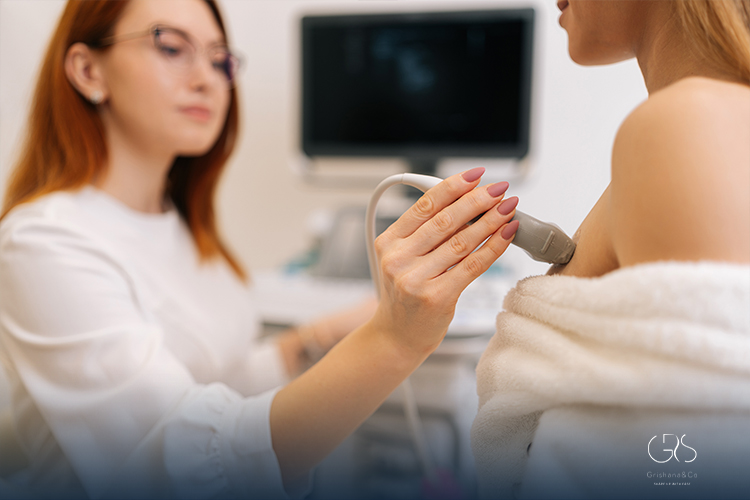
1. A Mammogram Is a Screening, Not a Diagnosis
Many women worry that a mammogram means something is already wrong. That’s not the case.
What a Screening Mammogram Really Does
A screening mammogram is designed to look for early changes in breast tissue in people who have no symptoms. According to the American Cancer Society, its goal is early detection, not diagnosis. If something unusual appears, additional imaging may be recommended, but most follow-ups do not result in a cancer diagnosis.
Why Early Detection Saves Lives
Multiple randomized trials, including long-term European screening studies, show that detecting breast cancer early significantly improves survival rates. Tumors found at an early stage are usually smaller, less likely to have spread, and easier to treat effectively.

2. When to Schedule Your First Mammogram Matters
Timing can affect both comfort and image quality.
Best Time in Your Menstrual Cycle
Research shows breasts are less tender during the week after your period ends. Scheduling your mammogram during this time can reduce discomfort and make compression easier to tolerate.
Age Recommendations Are Evidence-Based
Most medical organizations recommend starting routine screening between ages 40 and 50, depending on risk factors. The U.S. Preventive Services Task Force recommends biennial screening starting at age 40 for average-risk women, based on modeling studies of benefit versus harm.
3. Pain Is Usually Mild and Very Brief
Pain is one of the biggest fears surrounding a first mammogram.
What Compression Actually Feels Like
Compression lasts only a few seconds per image. Studies published in the Journal of Women’s Health show that while some women experience discomfort, most rate it as mild to moderate and tolerable.
Factors That Influence Discomfort
Breast density, hormonal changes, and anxiety levels can affect how a mammogram feels. Communicating with the technologist and practicing slow breathing can significantly reduce discomfort.
4. Breast Density Affects Mammogram Results
Not all breasts look the same on imaging.
What Dense Breast Tissue Means
Dense breasts contain more glandular and connective tissue than fat. According to radiology research, dense tissue can make it harder to spot small tumors on a mammogram because both appear white.
Why Density Notifications Exist
Many countries now require patients to be informed if they have dense breasts. This is not a diagnosis, but a risk factor. Women with dense breasts may benefit from supplemental imaging such as ultrasound or MRI, depending on individual risk.
5. Preparation Tips From a First Mammogram Guide
Preparation is simple but important.
What to Wear and What to Avoid
Wear a two-piece outfit so you only remove your top. Avoid deodorants, powders, or lotions on the chest or underarms, as these products can appear as artifacts on imaging and mimic calcifications.
Medical History to Share
Tell your technologist about breast surgeries, implants, hormone therapy, pregnancy, or breastfeeding history. This context helps radiologists interpret images more accurately.
6. False Positives Are Common and Usually Benign
Being called back after a mammogram can cause anxiety.
Why Callbacks Happen
About 10% of screening mammograms result in a callback, especially in first-time screenings. Studies in JAMA show that most callbacks are due to overlapping tissue or benign findings.
How to Mentally Prepare
A callback does not mean cancer. Over 90% of women called back do not receive a cancer diagnosis. Additional imaging simply allows radiologists to take a closer look.
7. Radiation Exposure Is Extremely Low
Radiation fears are understandable but often exaggerated.
How Much Radiation Is Involved
A standard digital mammogram exposes you to about 0.4 mSv of radiation, roughly equivalent to the background radiation you receive naturally over seven weeks. Large epidemiological studies confirm this level poses no measurable risk.
Risk Versus Benefit According to Science
When weighed against the proven benefit of early cancer detection, the radiation risk from mammography is considered negligible by global health authorities including the World Health Organization.
8. Results Are Usually Clear and Timely
Waiting for results can be stressful, but systems are designed to minimize delays.
How Long Results Take
Most screening centers provide results within one to two weeks. Some offer same-day summaries. Faster reporting has been shown to reduce patient anxiety without compromising accuracy.
Understanding Your Report
Mammogram reports use the BI-RADS system, a standardized scale developed by the American College of Radiology. Categories range from 0 (incomplete) to 6 (known cancer), ensuring consistent communication.
9. Your First Mammogram Guide to Long-Term Screening
Your first mammogram is the beginning, not the end.
Building a Screening Routine
Consistency matters. Longitudinal studies show that regular screening over time offers greater mortality reduction than one-time exams.
Personalizing Your Screening Plan
Family history, genetics, lifestyle factors, and breast density all influence screening frequency. Shared decision-making with your healthcare provider ensures a plan that fits your personal risk profile.
Emotional Readiness Is Just as Important as Physical Preparation
Feeling nervous does not mean you are weak or overreacting.
Anxiety Is Common and Valid
Qualitative studies show that fear of pain or results is the main reason women delay screening. Acknowledging these emotions can actually improve the experience.
How Knowledge Reduces Fear
Educational interventions significantly lower anxiety before mammography. This is one reason a well-structured First Mammogram Guide can make a real difference in how women approach screening.
Talking to Your Provider Before and After
Communication improves outcomes.
Questions Worth Asking
Ask about breast density, screening frequency, and when to expect results. Patients who ask questions report higher satisfaction and adherence to follow-up recommendations.
Advocating for Yourself
You are allowed to speak up if something feels uncomfortable. Technologists are trained to adjust positioning and pressure while maintaining image quality.
Conclusion
Your first mammogram is a powerful step toward protecting your health, and knowledge is your strongest ally. This First Mammogram Guide was created to replace uncertainty with science, fear with facts, and anxiety with reassurance. Mammography is safe, effective, and supported by decades of research showing it saves lives through early detection. While the experience may feel unfamiliar at first, most women find it manageable, brief, and far less intimidating than expected. By understanding what happens before, during, and after your screening, you give yourself confidence, clarity, and control. Your future self will thank you for showing up today.
Sources
- U.S. Preventive Services Task Force, Breast Cancer: Screening
- National Institutes of Health, Mammograms
- CDC, Screening for Breast Cancer