


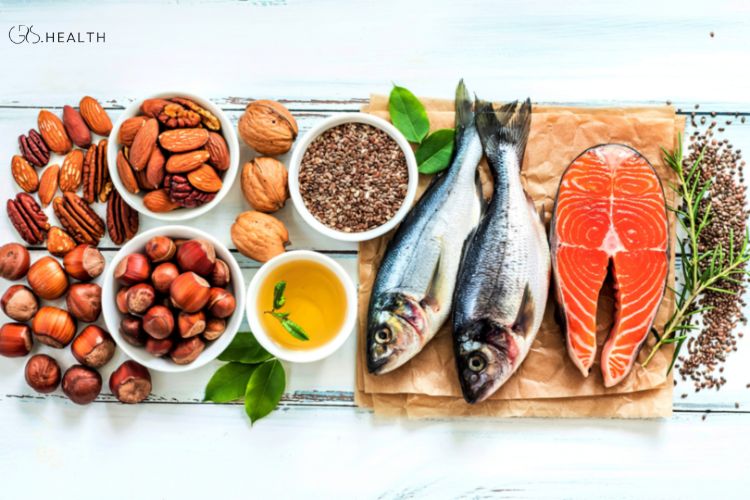
Cholesterol is an essential fat-like substance found in every cell of the body, necessary for producing hormones, vitamin D, and bile acids that help digest fats. However, when cholesterol levels—especially low-density lipoprotein (LDL), often called “bad cholesterol”—rise too high, they can accumulate in blood vessels and increase the risk of heart disease and stroke. In today’s health-conscious world, people are turning to dietary strategies rather than solely relying on medications. That’s why identifying foods to lower cholesterol naturally has become a major area of scientific research and public interest. The right snacks and foods can effectively reduce LDL levels, boost high-density lipoprotein (HDL, or “good cholesterol”), and improve overall heart health.
Understanding Cholesterol and Why It Matters
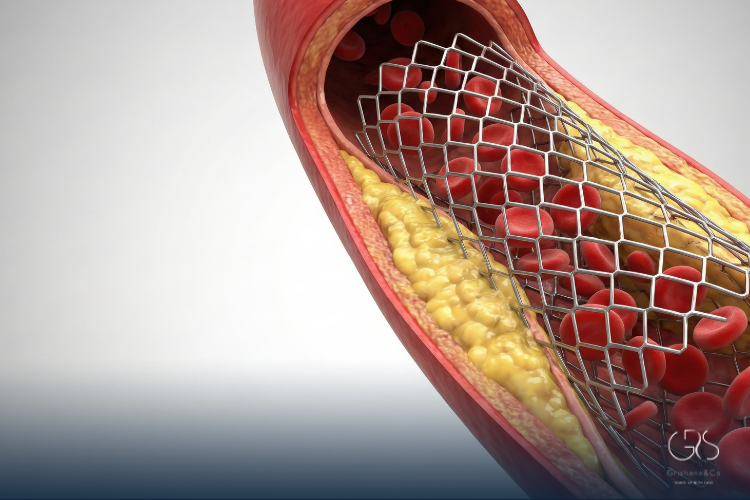
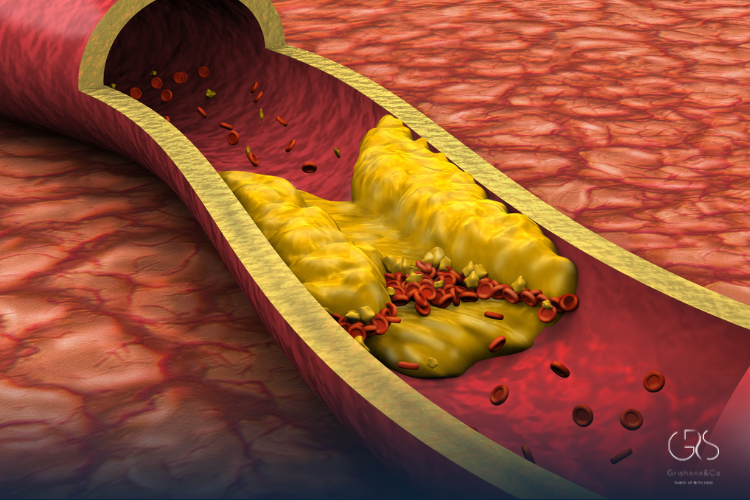
To understand how foods to lower cholesterol work, it’s important to first know what cholesterol does. LDL cholesterol carries cholesterol particles throughout your body and can deposit them in artery walls, forming plaques that narrow or block blood flow. HDL cholesterol, on the other hand, picks up excess cholesterol and carries it back to the liver for removal. High LDL and low HDL levels increase the risk of atherosclerosis, heart attacks, and strokes. Studies from the National Institutes of Health (NIH) and the American Heart Association (AHA) consistently show that diet plays a critical role in managing these levels. By incorporating scientifically supported foods to lower cholesterol, you can make significant changes without necessarily resorting to medication.
1. Nuts: Small Packages with Big Benefits
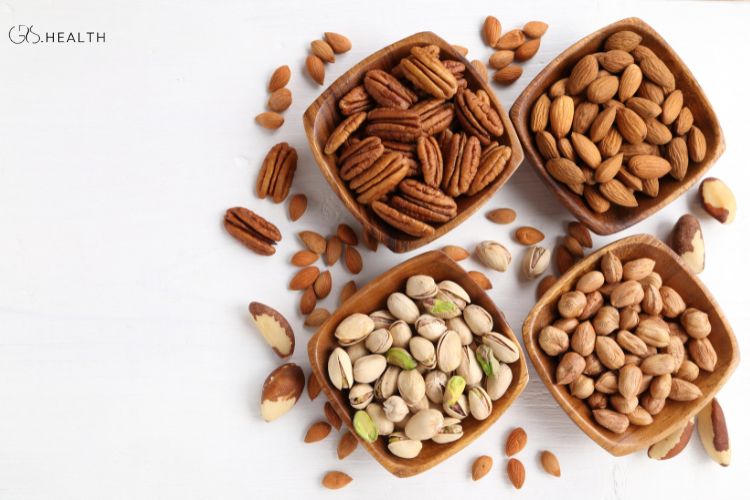
Nuts are among the most powerful snacks and foods to lower cholesterol naturally. Almonds, walnuts, pistachios, and pecans are packed with unsaturated fats, fiber, and plant sterols compounds that reduce cholesterol absorption in the gut. A study published in the American Journal of Clinical Nutrition found that consuming a handful of nuts daily can lower LDL cholesterol by up to 10%. Walnuts, in particular, contain alpha-linolenic acid (ALA), a plant-based omega-3 fatty acid known to improve artery function and reduce inflammation. Choose unsalted, raw, or dry-roasted nuts over those coated in sugar or salt for maximum benefit.
2. Oats and Barley: Soluble Fiber Champions
Among the most effective foods to lower cholesterol, oats and barley stand out due to their high soluble fiber content, particularly beta-glucan. This fiber binds cholesterol-rich bile acids in the digestive system, helping to remove them from the body. Studies from Harvard Health Publishing suggest that consuming just 3 grams of soluble fiber from oats per day can lower LDL cholesterol by 5–10%. Barley offers similar benefits, making oatmeal or barley porridge a smart breakfast choice. Adding oat-based snacks, like homemade granola bars, can provide sustained energy and cholesterol-lowering effects throughout the day.
3. Fruits Rich in Pectin: Nature’s Natural Gels
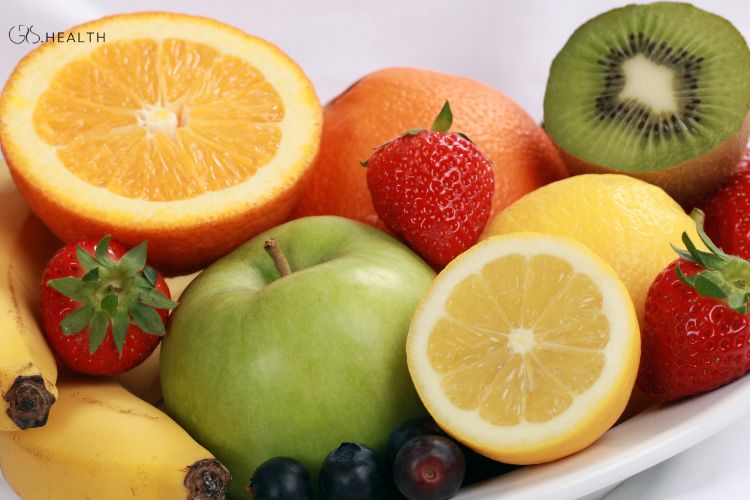
Apples, citrus fruits, and strawberries are excellent snacks and foods to lower cholesterol due to their high pectin content, a type of soluble fiber that acts like a gel, trapping cholesterol and carrying it out of the body. A meta-analysis in Nutrients (2022) confirmed that daily fruit intake is linked with significantly lower total cholesterol levels. Apples, for example, contain polyphenols that help inhibit LDL oxidation, reducing the formation of arterial plaques. When you feel like snacking, reach for a crisp apple, orange slices, or berries they provide natural sweetness with heart-healthy effects.
4. Legumes and Beans: Affordable and Effective
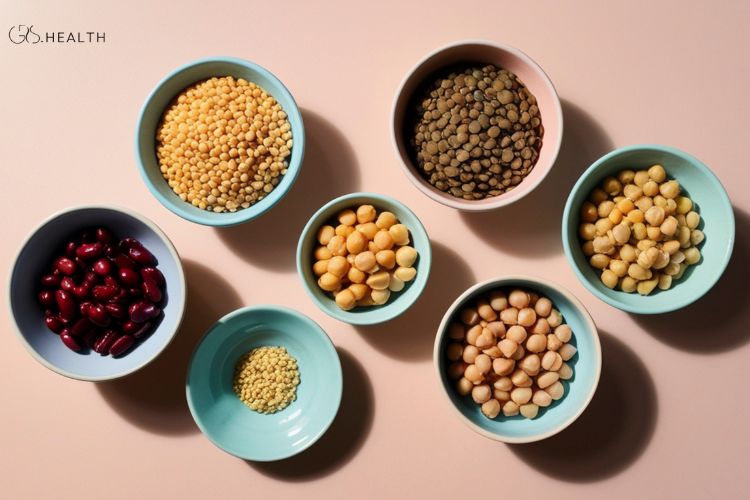
Beans, lentils, and chickpeas are versatile foods to lower cholesterol that can be added to meals or eaten as snacks. Their high content of soluble fiber and plant-based protein makes them a powerful replacement for animal fats. A systematic review in the Canadian Medical Association Journal showed that one serving (about ¾ cup) of legumes daily can reduce LDL cholesterol by about 5%. Hummus made from chickpeas, served with vegetable sticks, is an easy and satisfying snack that fits perfectly into a cholesterol-lowering diet.
5. Fatty Fish: Omega-3 Powerhouses
While fish is not a “snack” in the traditional sense, small servings like salmon bites or tuna on whole-grain crackers are excellent foods to lower cholesterol. Fatty fish such as salmon, mackerel, and sardines are rich in omega-3 fatty acids, which reduce triglycerides and raise HDL cholesterol. According to the American Heart Association, eating at least two servings of fatty fish per week can significantly improve lipid profiles and lower the risk of heart disease. If you prefer plant-based alternatives, chia seeds and flaxseeds also provide ALA omega-3s.
6. Avocados: Creamy and Cardioprotective
Avocados are nutrient-dense foods to lower cholesterol naturally, providing heart-healthy monounsaturated fats, potassium, and antioxidants. A study in the Journal of the American Heart Association found that eating one avocado daily as part of a moderate-fat diet reduced LDL cholesterol by up to 13.5 mg/dL in overweight adults. Avocado toast, guacamole, or avocado smoothie bowls make for easy, satisfying snacks that promote cardiovascular health.
7. Dark Chocolate and Cocoa
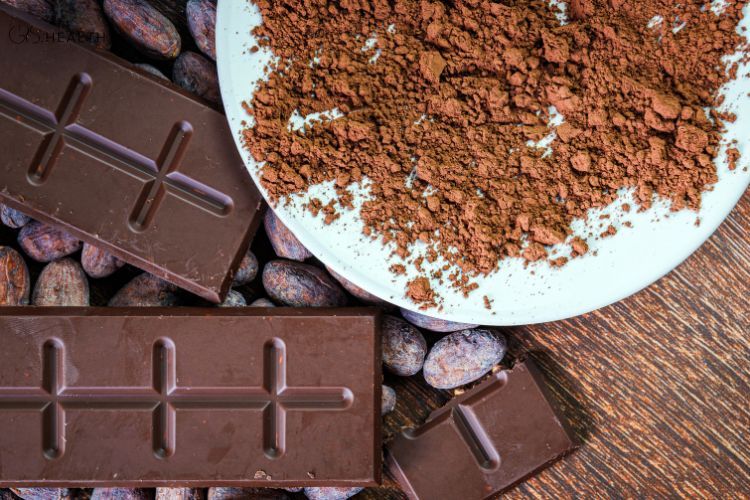
Yes, chocolate can be part of a heart-healthy diet—when chosen wisely. Dark chocolate (with at least 70% cocoa) is one of the most surprising foods to lower cholesterol because of its flavonoid content. These plant compounds improve endothelial function, lower blood pressure, and enhance HDL levels. A study published in The British Journal of Nutrition found that daily dark chocolate consumption modestly reduced LDL oxidation, a key factor in atherosclerosis. Opt for a small piece or cocoa-based smoothie instead of sugar-laden candy bars.
(I recommend that you read about the benefits of dark chocolate.)
8. Green Tea: A Drink that Lowers Cholesterol
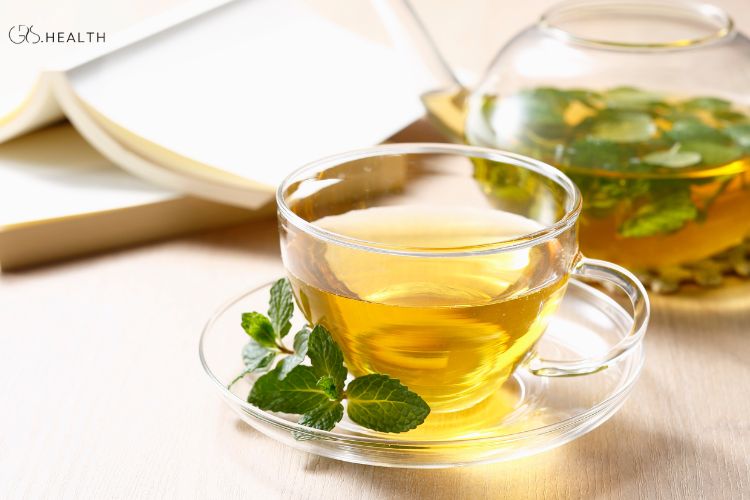
Green tea is among the most studied beverages and foods to lower cholesterol. It contains catechins, especially epigallocatechin gallate (EGCG), which help block cholesterol absorption and enhance its excretion. A randomized controlled trial in the Journal of Nutrition showed that consuming green tea for 12 weeks reduced LDL cholesterol by 9%. Replace sugary drinks with green tea or matcha for a metabolism and heart-friendly option.
(Read more about the benefits of green tea.)
9. Seeds: Tiny Nutrient Bombs
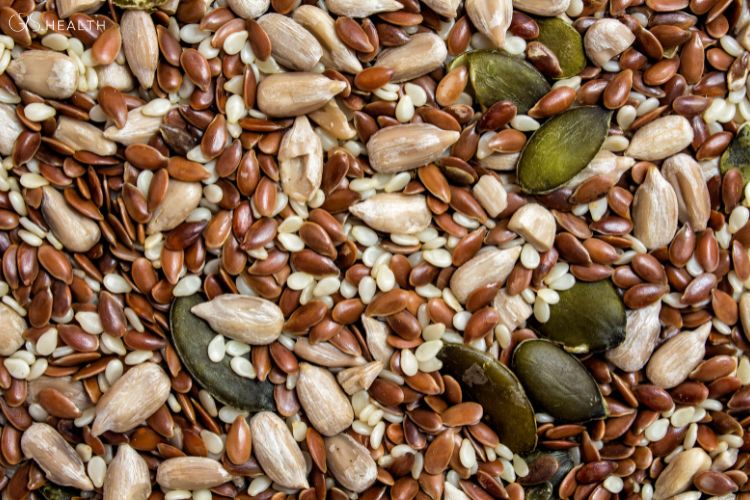
Flaxseeds, chia seeds, and sunflower seeds are compact foods to lower cholesterol that pack omega-3 fatty acids, fiber, and lignans—antioxidants that improve lipid metabolism. Ground flaxseed has been particularly well-documented to lower total and LDL cholesterol. A meta-analysis in Nutrition Reviews reported reductions of 8–10% in LDL levels among people consuming flaxseed regularly. Sprinkle these seeds into yogurt, oatmeal, or smoothies for a crunchy and heart-healthy snack boost.
10. Plant Sterol-Enriched Snacks
Some modern snack products—like fortified yogurts, margarine spreads, and granola bars—contain added plant sterols or stanols, compounds found naturally in nuts, seeds, and vegetable oils. These are scientifically proven foods to lower cholesterol by blocking the absorption of dietary cholesterol in the intestine. According to the European Food Safety Authority, consuming 2 grams of plant sterols daily can lower LDL by 7–10% within weeks.
11. Olive Oil: The Mediterranean Secret
Olive oil is one of the cornerstones of the Mediterranean diet, famous for promoting longevity and heart health. It’s among the most effective foods to lower cholesterol due to its monounsaturated fat and polyphenol content. Research published in the New England Journal of Medicine found that diets rich in extra virgin olive oil led to significantly lower cardiovascular events compared to low-fat diets. Drizzling olive oil over salads or using it as a dip for whole-grain bread is a delicious and beneficial choice.
12. Dark Leafy Greens and Vegetables
Vegetables like spinach, kale, and broccoli contain lutein and soluble fiber that aid in cholesterol control. These vegetables are supportive foods to lower cholesterol as they bind bile acids, reducing cholesterol reabsorption. A Harvard Health study highlights that people who eat more leafy greens have lower LDL and better heart outcomes. Snack on kale chips or spinach wraps to sneak more greens into your day.
13. Soy Foods and Tofu
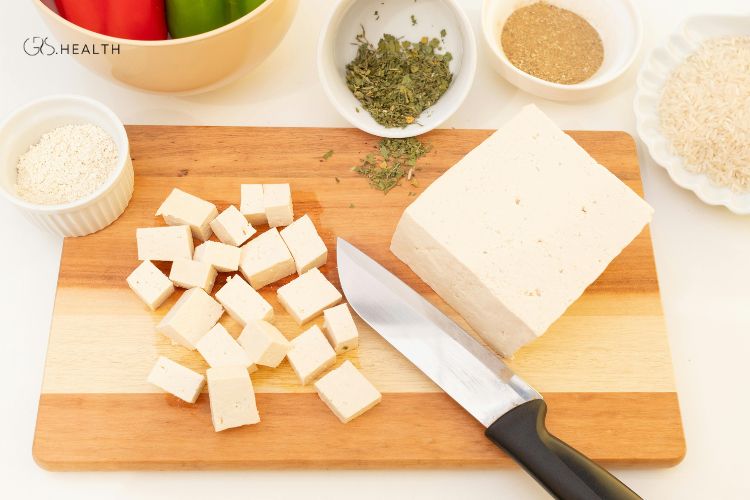
Soy-based foods such as tofu, edamame, and soy milk are excellent plant-based protein sources that can replace saturated fat-heavy animal products. These foods to lower cholesterol contain isoflavones, which may directly affect lipid metabolism. The U.S. Food and Drug Administration (FDA) recognizes that consuming 25 grams of soy protein daily may help lower LDL cholesterol. Lightly salted roasted edamame or tofu cubes make convenient, high-protein snacks.
14. Yogurt and Probiotic Snacks
Gut health is increasingly linked with heart health. Probiotic-rich foods to lower cholesterol, such as yogurt, kefir, and fermented vegetables, can modulate bile acid metabolism and support healthy cholesterol levels. A review in the Journal of Functional Foods showed that probiotic yogurt consumption reduced total cholesterol and LDL levels by up to 7%. Choose plain, unsweetened yogurt topped with fruits or seeds for a nourishing snack.
15. Smart Snack Combinations for Daily Use
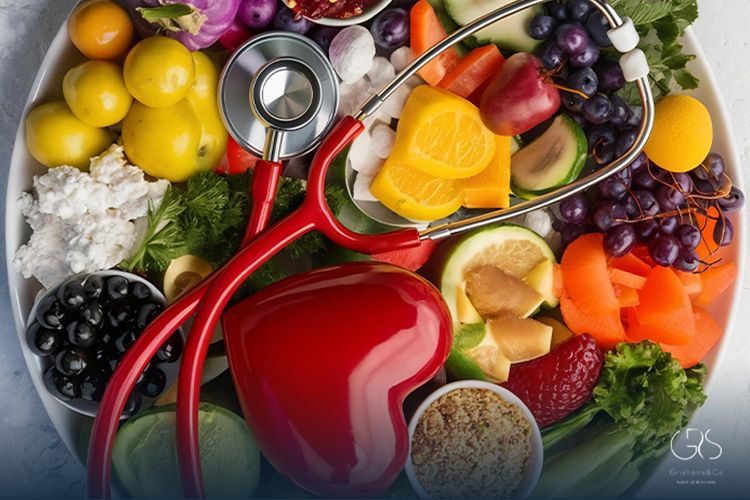
Combining various foods to lower cholesterol into balanced snacks enhances their effect. For instance, try oatmeal with flaxseeds and berries for breakfast, or apple slices with almond butter as a mid-day snack. Pairing avocado on whole-grain toast or hummus with carrots provides both fiber and healthy fats that work synergistically to support heart health.
Lifestyle Tips to Maximize Benefits
While incorporating these foods to lower cholesterol can make a meaningful difference, results are best when paired with regular physical activity, limited alcohol intake, and smoking cessation. The American Heart Association recommends at least 150 minutes of moderate exercise weekly to further enhance cholesterol metabolism. Also, reduce intake of trans fats, processed meats, and refined sugars, which can counteract the benefits of healthy snacks.
Conclusion
Managing cholesterol doesn’t have to mean giving up flavor or satisfaction. By strategically choosing foods to lower cholesterol—especially snacks rich in fiber, healthy fats, and antioxidants—you can support your heart and overall health naturally. Consistency is key; small daily choices accumulate into powerful long-term results. Start with one change at a time, enjoy your meals mindfully, and your body will reward you with improved well-being and vitality.
Sources
- Harvard Health Publishing, 11 foods that lower cholesterol
- Mayo Clinic, Top 5 lifestyle changes to improve your cholesterol
- Cleveland Clinic, Cholesterol and Nutrition