


Garlic is one of the most widely used ingredients in the world. From Mediterranean dishes to Asian cuisine, it adds depth, aroma, and flavor. But for a small group of people, garlic can trigger uncomfortable and sometimes serious reactions. Garlic allergy symptoms can range from mild skin irritation to life-threatening anaphylaxis. If you’ve ever felt “off” after eating garlic or handling it during cooking, you may be wondering whether your body is reacting to more than just strong flavor. In this guide, we’ll explore what science says about garlic allergy symptoms, how they develop, how they’re diagnosed, and what treatments actually work.
What Is a Garlic Allergy?
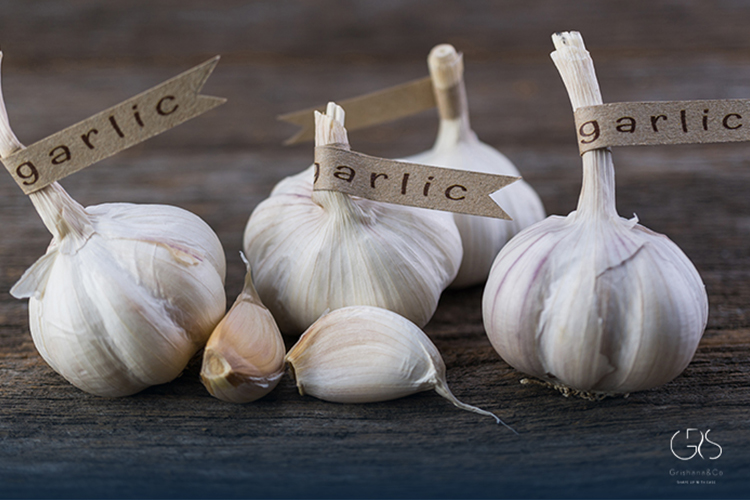
A garlic allergy is an immune system reaction to proteins found in garlic (Allium sativum). Unlike food intolerance, which involves the digestive system, a true allergy involves immunoglobulin E (IgE) antibodies and can trigger systemic reactions. Research has identified specific allergenic proteins in garlic, including alliin lyase, that may stimulate IgE-mediated responses in sensitive individuals (Kao et al., 2004; Thermo Fisher Allergen Encyclopedia). Garlic belongs to the Allium family, which also includes onions, leeks, and shallots. Some individuals allergic to garlic may also react to other members of this plant family due to cross-reactivity.

Immune Mechanism Behind Garlic Allergy Symptoms
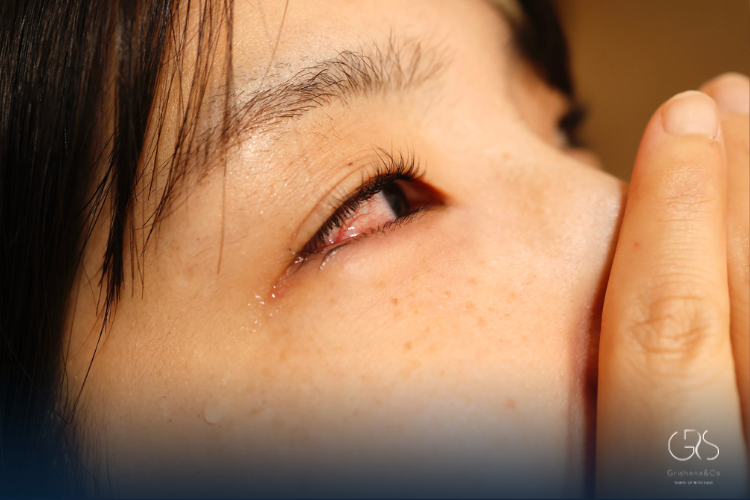
When a person with garlic allergy consumes or inhales garlic proteins, their immune system mistakenly identifies these proteins as harmful. IgE antibodies bind to mast cells and basophils, triggering the release of histamine and other inflammatory mediators. This release causes garlic allergy symptoms such as itching, swelling, hives, or respiratory distress. This mechanism is consistent with other IgE-mediated food allergies, as described by the American Academy of Allergy, Asthma & Immunology (AAAAI).

Allergy vs. Intolerance
It’s important to distinguish garlic allergy symptoms from garlic intolerance. Intolerance typically causes digestive discomfort like bloating or gas without involving the immune system. Allergy, on the other hand, may cause skin, respiratory, or systemic symptoms and can escalate rapidly.
Common Garlic Allergy Symptoms
Garlic allergy symptoms can vary widely depending on the individual and the type of exposure whether ingestion, skin contact, or inhalation during cooking.
Skin Reactions
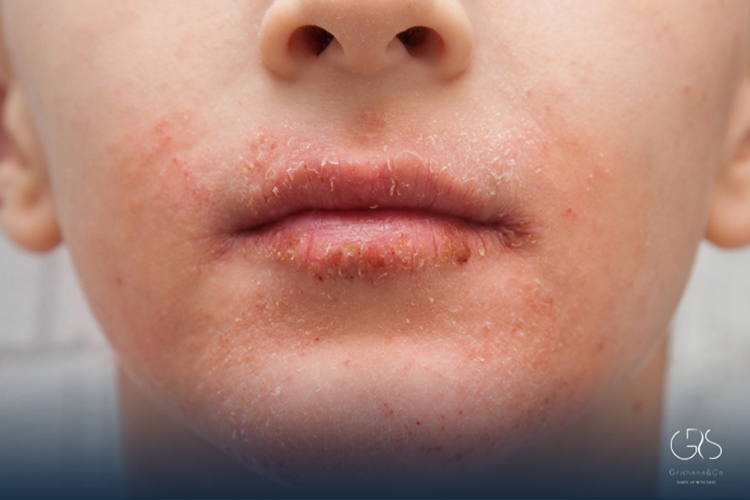
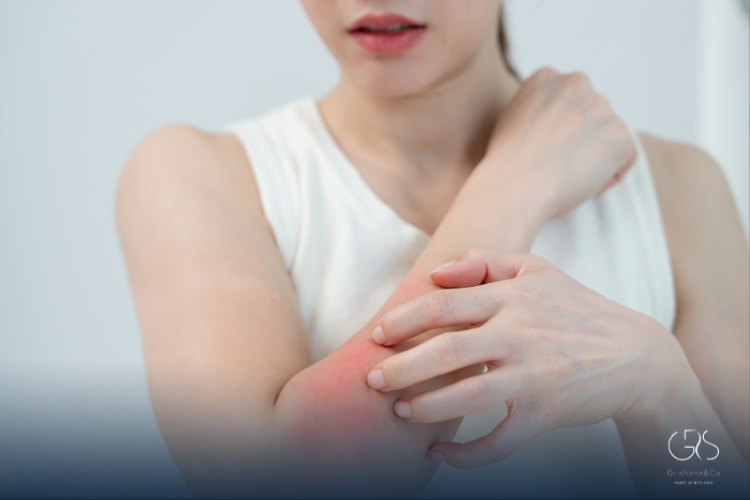
Skin-related garlic allergy symptoms are among the most frequently reported. These may include:
• Hives (urticaria)
• Itching (pruritus)
• Eczema flare-ups
• Swelling of lips or face (angioedema)
Contact dermatitis from handling raw garlic has been documented in food handlers and chefs. Studies published in Contact Dermatitis journal describe delayed hypersensitivity reactions linked to garlic exposure.

Digestive Symptoms
After consuming garlic, some individuals may experience:
• Nausea
• Vomiting
• Abdominal pain
• Diarrhea
These digestive garlic allergy symptoms occur due to immune activation in the gastrointestinal tract.

Respiratory Symptoms
Inhalation of garlic particles while chopping or cooking may cause:
• Sneezing
• Nasal congestion
• Wheezing
• Shortness of breath
Occupational asthma related to garlic dust has been reported in food industry workers (Malo et al., Journal of Allergy and Clinical Immunology).
Severe Reactions: Anaphylaxis
Although rare, garlic allergy symptoms can include anaphylaxis—a rapid, life-threatening allergic reaction. Symptoms may include throat tightness, difficulty breathing, rapid pulse, dizziness, and a drop in blood pressure. Anaphylaxis requires immediate treatment with epinephrine.
Who Is at Risk?
Garlic allergy is relatively uncommon compared to allergies like peanuts or milk, but it does occur.
Occupational Exposure
Chefs, food processors, and factory workers handling garlic regularly are at increased risk. Repeated exposure may sensitize the immune system over time.
Cross-Reactivity with Other Alliums
People allergic to onions or leeks may also develop garlic allergy symptoms due to similar protein structures. Cross-reactivity has been described in case studies of Allium species allergies.
Existing Allergic Conditions
Individuals with asthma, eczema, or other food allergies may have a higher likelihood of developing additional food allergies, including garlic.
How Garlic Allergy Is Diagnosed
If you suspect garlic allergy symptoms, proper diagnosis is essential. Self-diagnosis can be misleading.
Medical History and Symptom Tracking
An allergist will first review your reaction history, timing, and severity. Keeping a food diary can help identify patterns.
Skin Prick Testing
In this test, a small amount of garlic extract is placed on the skin and lightly pricked. A raised bump suggests sensitization. However, standardized garlic extracts are not always widely available.
Specific IgE Blood Tests
Blood tests can measure IgE antibodies specific to garlic proteins. While helpful, results must be interpreted alongside clinical symptoms.
Oral Food Challenge
The gold standard for diagnosis is a medically supervised oral food challenge. This is conducted in a clinical setting due to the risk of severe garlic allergy symptoms.
Treatment Options for Garlic Allergy
Currently, there is no cure for food allergies, including garlic allergy. Management focuses on prevention and emergency preparedness.
Strict Avoidance
The primary treatment is eliminating garlic from the diet. This can be challenging because garlic is widely used in sauces, spice blends, processed foods, and restaurant dishes. Reading labels carefully is essential.
Antihistamines
For mild garlic allergy symptoms like hives or itching, antihistamines may help reduce discomfort. They block histamine receptors but do not stop severe reactions.
Epinephrine for Severe Reactions
Anyone with a history of severe garlic allergy symptoms should carry an epinephrine auto-injector. Epinephrine is the first-line treatment for anaphylaxis, as recommended by the World Allergy Organization.
Emerging Research in Immunotherapy
Oral immunotherapy has shown promise for some food allergies like peanut, but research specifically targeting garlic allergy is limited. More studies are needed before this becomes a standard treatment.
Living Safely with Garlic Allergy
Managing garlic allergy symptoms requires awareness and proactive habits.
Reading Ingredient Labels Carefully
Garlic may appear under names like garlic powder, garlic extract, or natural flavoring. Being vigilant helps prevent accidental exposure.
Dining Out Strategies
Communicate clearly with restaurant staff. Ask about marinades, sauces, and seasoning blends. Even small amounts can trigger garlic allergy symptoms in sensitive individuals.
Preventing Cross-Contamination
Use separate utensils and cooking surfaces if others in your household consume garlic. Cross-contact is a common cause of accidental reactions.
When to See a Doctor
If you experience repeated reactions after eating garlic, seek evaluation from an allergist. Immediate medical care is necessary if you develop breathing difficulty, swelling of the throat, or signs of anaphylaxis. Early diagnosis reduces risk and improves quality of life.
The Science Behind Garlic Proteins
Garlic contains sulfur-containing compounds such as allicin, formed when garlic is crushed. However, allergic reactions are typically directed at specific proteins rather than sulfur compounds themselves. Research has identified allergenic fractions capable of binding IgE in sensitized individuals. Molecular allergology continues to study these proteins to improve diagnostic testing.
Conclusion
Garlic allergy symptoms may be uncommon, but for those affected, they are very real and potentially serious. From mild skin irritation to severe anaphylaxis, the immune system’s reaction to garlic proteins can vary significantly. Scientific research confirms that IgE-mediated mechanisms are responsible for these reactions, and proper medical diagnosis is essential. While there is currently no cure, strict avoidance, education, and emergency preparedness allow individuals with garlic allergy to live safely and confidently. If you suspect garlic allergy symptoms, consult an allergist for personalized evaluation and management. Knowledge is power—and understanding your body’s signals is the first step toward protecting your health.
Sources
- JACI, Garlic Allergy
- Anaphylaxis UK, Onion and garlic
- ScienceDirect, Allergic hypersensitivity to garlic and onion in children and adults
- Thermo Fisher Scientific, Garlic
- ScienceDirect, Occupational asthma induced by garlic dust