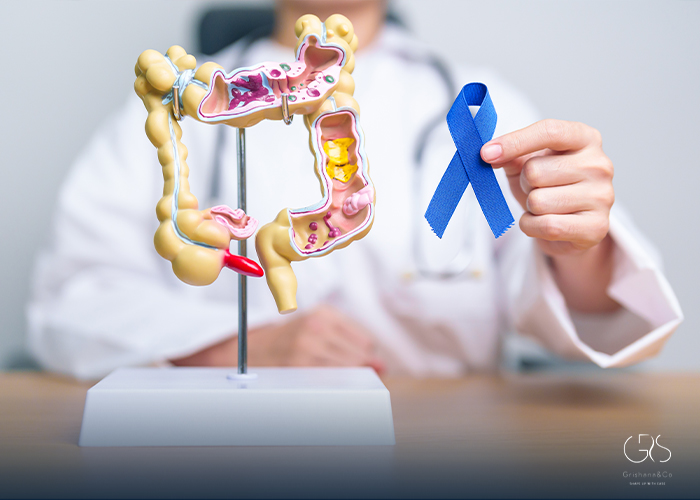




When people hear the word cholesterol, they often think of something dangerous. But cholesterol itself is not the enemy. Your body actually needs it to build cells, produce hormones, and synthesize vitamin D. The goal is not to eliminate it but to maintain Healthy cholesterol that supports your heart and overall well-being.
Cholesterol travels through your bloodstream in particles called lipoproteins. Some types are beneficial in the right amounts, while others increase cardiovascular risk when elevated. According to the American Heart Association, imbalanced cholesterol levels are one of the major modifiable risk factors for heart disease, the leading cause of death worldwide. The good news? With the right knowledge and lifestyle choices, you can take control of your numbers.
What Does Healthy Cholesterol Really Mean?
Healthy cholesterol refers to maintaining optimal levels of low-density lipoprotein (LDL), high-density lipoprotein (HDL), and triglycerides in a way that reduces cardiovascular risk. LDL is often called “bad” cholesterol because elevated levels contribute to plaque buildup in arteries. HDL is known as “good” cholesterol because it helps remove excess cholesterol from the bloodstream and transports it to the liver for excretion.
Clinical guidelines from the American College of Cardiology (ACC) and the American Heart Association (AHA) recommend LDL levels below 100 mg/dL for most adults, and even lower for individuals at high cardiovascular risk. HDL levels above 40 mg/dL for men and 50 mg/dL for women are generally considered protective. Triglycerides should ideally remain under 150 mg/dL.

LDL: The Particle That Builds Plaque
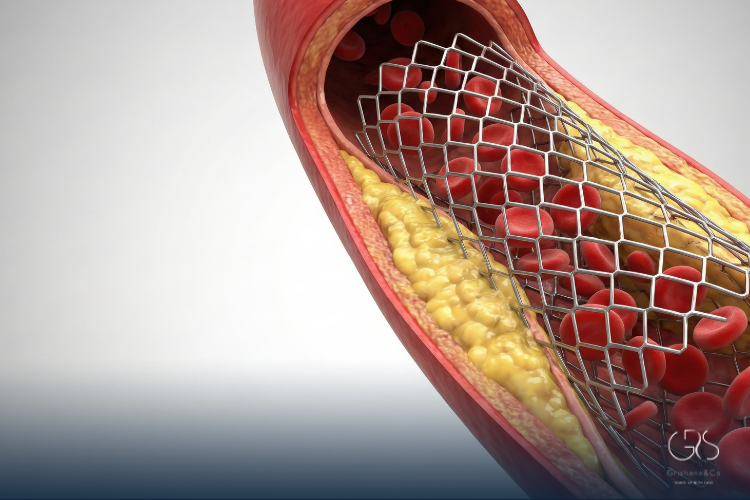
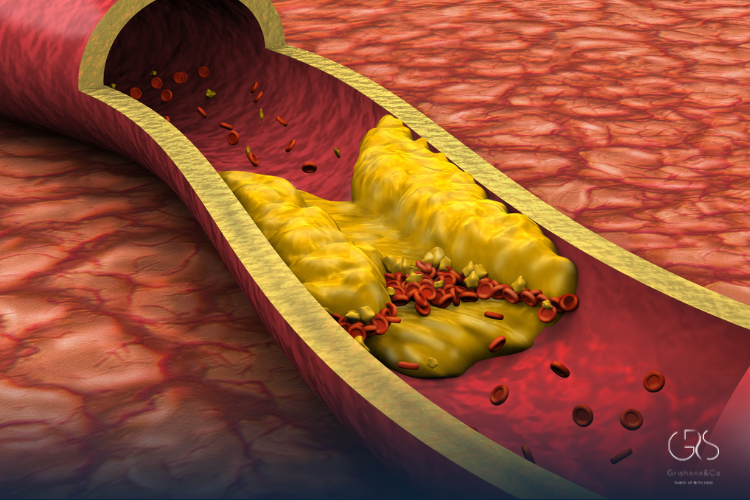
LDL cholesterol particles can move through the inner lining of the arteries and accumulate within the vessel wall. Over time, this buildup promotes the development of atherosclerotic plaques. As these plaques grow, they narrow the arteries and may eventually rupture, triggering a heart attack or stroke. Extensive meta-analyses, including findings from the cholesterol Treatment Trialists’ Collaboration, consistently demonstrate that reducing LDL levels leads to a meaningful decrease in major cardiovascular events.
HDL: The Protective Transporter
HDL cholesterol functions like a cleanup system in the bloodstream. It helps transport excess cholesterol away from the arteries and delivers it to the liver for processing and removal. Higher levels are generally linked to a lower risk of heart disease, although emerging research indicates that how well HDL works may be just as important as how much of it is present.
Why Healthy Cholesterol Matters for Your Arteries
Your arteries are meant to be flexible and smooth inside. When LDL accumulates and oxidizes, it triggers inflammation and plaque formation. Over decades, this process can silently progress. Maintaining Healthy cholesterol helps preserve arterial flexibility and reduces the likelihood of sudden cardiovascular events.
What Affects Your Cholesterol Levels?
Cholesterol levels are shaped by a combination of genetics and lifestyle. Some people inherit conditions such as familial hypercholesterolemia, which causes very high LDL levels from a young age. For others, daily habits play a larger role.
Dietary patterns rich in saturated fats and trans fats can increase LDL. Excess body weight, smoking, and physical inactivity also negatively affect lipid profiles. On the other hand, regular physical activity and diets rich in fiber and unsaturated fats improve cholesterol balance. Understanding how Healthy cholesterol functions within your body helps you see why these daily choices matter so much.
(Read more about how cholesterol affects the body.)
Genetics and Family History
If close relatives developed heart disease at a young age, you may have a genetic predisposition to higher LDL levels. In such cases, lifestyle changes remain essential but medication may also be necessary under medical supervision.
Diet and Processed Foods
Highly processed foods, especially those containing trans fats, are strongly associated with elevated LDL and triglycerides. The World Health Organization has called for global elimination of industrial trans fats due to their clear link to cardiovascular disease.
Stress and Sleep
Chronic stress and inadequate sleep can influence metabolic health. Research published in journals such as Circulation and Sleep indicates that poor sleep quality is associated with unfavorable lipid levels and increased cardiovascular risk.
Building Healthy Cholesterol Through Lifestyle
The encouraging news is that Healthy cholesterol is highly responsive to lifestyle changes. Even modest improvements in diet and activity can significantly reduce cardiovascular risk over time. Studies consistently show that lifestyle modification is the first-line strategy for lipid management.
Heart-Smart Eating Patterns
Rather than focusing on restriction, think in terms of nourishment. Diets such as the Mediterranean diet have been extensively studied. The PREDIMED trial demonstrated that a Mediterranean-style diet supplemented with extra virgin olive oil or nuts significantly reduced major cardiovascular events. A Mediterranean-style pattern is consistently linked with Healthy cholesterol profiles because it emphasizes vegetables, fruits, whole grains, legumes, fish, and healthy fats.
Soluble fiber, found in oats, beans, lentils, and apples, binds cholesterol in the digestive system and helps remove it from the body. Plant sterols and stanols, present in certain fortified foods, have also been shown to lower LDL levels. Replacing saturated fats (like butter and fatty red meat) with unsaturated fats (such as olive oil, avocados, and nuts) can significantly reduce LDL.
The Power of Physical Activity
Regular aerobic exercise is one of the most reliable ways to raise HDL and promote Healthy cholesterol. Activities such as brisk walking, cycling, swimming, or dancing for at least 150 minutes per week are recommended by global health organizations. Exercise improves lipid metabolism and supports weight management, which further enhances cardiovascular health.
Resistance training also plays a role. Studies published in The Journal of Clinical Lipidology suggest that combining aerobic and resistance exercise provides additive benefits for lipid profiles.
Weight Management and Metabolic Health
Excess body fat, particularly around the abdomen, is associated with higher LDL and triglycerides and lower HDL. Even a 5–10% reduction in body weight can significantly improve lipid levels. Weight loss improves insulin sensitivity, which in turn positively influences cholesterol metabolism.
When Lifestyle Isn’t Enough
For some individuals, especially those with high cardiovascular risk or genetic conditions, lifestyle changes alone may not achieve target LDL levels. In such cases, medications such as statins are recommended.
Statins work by inhibiting HMG-CoA reductase, a key enzyme in cholesterol synthesis. Large randomized controlled trials have demonstrated that statins reduce heart attacks, strokes, and cardiovascular mortality. Other medications, such as ezetimibe and PCSK9 inhibitors, may be prescribed when additional LDL reduction is needed.
Importantly, medication works best when combined with lifestyle measures. Pharmacological therapy is not a replacement for healthy habits but a complementary strategy.
Cholesterol Testing and Monitoring
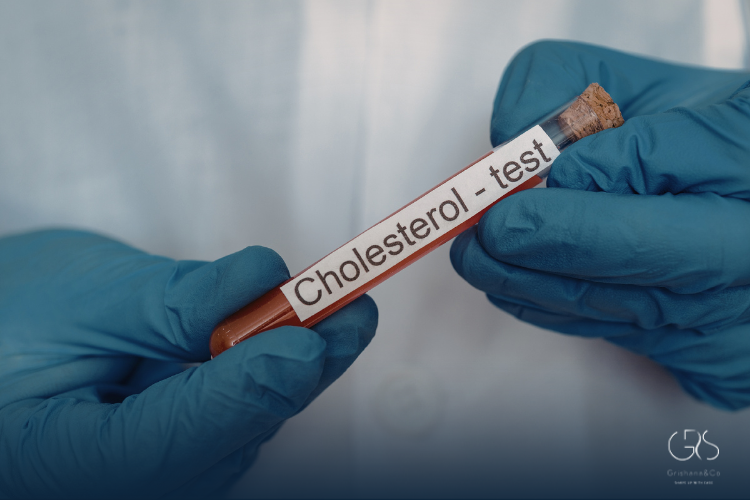
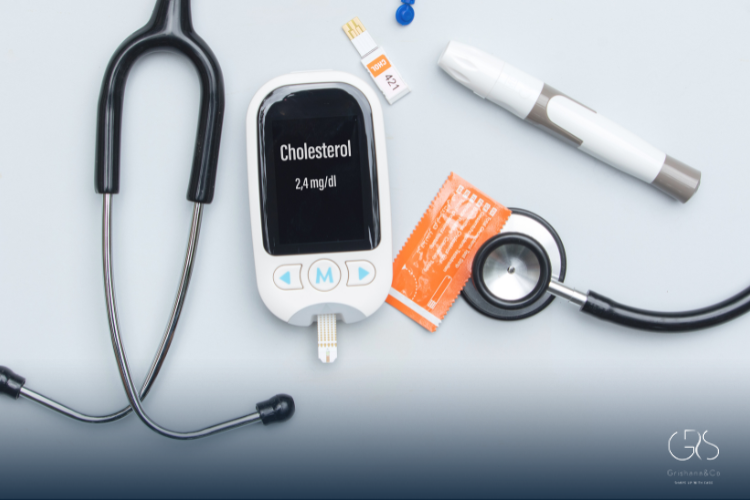
Many people feel perfectly fine even when their cholesterol levels are high. That is why routine screening is crucial. Adults over 20 should have their cholesterol checked every four to six years, or more frequently if risk factors are present.
A standard lipid panel measures total cholesterol, LDL, HDL, and triglycerides. In some cases, doctors may also assess non-HDL cholesterol or apolipoprotein B for a more detailed risk evaluation. Tracking your numbers over time helps you see whether your daily choices are moving you toward Healthy cholesterol.
Understanding Your Risk Score
Healthcare providers often calculate a 10-year atherosclerotic cardiovascular disease (ASCVD) risk score. This tool considers age, sex, blood pressure, cholesterol levels, smoking status, and diabetes. It helps guide treatment decisions and personalize prevention strategies.
Talking With Your Doctor
Bring your questions to your medical appointments. Ask about your target LDL level, lifestyle priorities, and whether medication is necessary. Shared decision-making leads to better long-term outcomes.
Myths About Cholesterol
Misinformation can make cholesterol management confusing. One common myth is that all cholesterol is bad. In reality, cholesterol is essential for life; imbalance is the issue. Another myth is that only older adults need to worry. Atherosclerosis can begin in early adulthood, making prevention important at every age.
Some people believe that if they are thin, their cholesterol must be normal. However, even individuals with normal weight can have unfavorable lipid levels due to genetics or diet quality.
A Sustainable, Empowered Approach
Improving cholesterol is not about short-term fixes. It is about building habits you can maintain. Choose foods you enjoy that also nourish your heart. Find physical activities that fit naturally into your routine. Focus on progress, not perfection.
Small steps compound over time. Swapping butter for olive oil, adding a daily walk, increasing fiber intake, and reducing processed snacks may seem minor individually, but together they create measurable improvements in cardiovascular markers. The science is clear: consistent lifestyle patterns shape long-term outcomes.
Conclusion
Cholesterol is not something to fear—it is something to understand. By learning how LDL, HDL, and triglycerides function, and by embracing evidence-based lifestyle strategies, you can significantly reduce your cardiovascular risk. Whether through diet, exercise, weight management, or medication when necessary, achieving balance is both possible and powerful. Your heart works for you every single day. Supporting it with informed choices is one of the most meaningful investments you can make in your future health.
Sources
- American Heart Association, Guideline on the Management of Blood Cholesterol: A Report of the American College of Cardiology/American Heart Association Task Force on Clinical Practice Guidelines
- CDC, About Cholesterol
- National Heart, Lung, and Blood Institute (NIH), What is Blood Cholesterol?