


The holiday season is supposed to be joyful, but for many people, holidays with diabetes can feel overwhelming. Tables overflow with sweets, routines disappear, stress runs high, and social pressure makes it harder to say no. If you’ve ever worried about blood sugar spikes while everyone else is celebrating, you’re not alone. The good news is that science offers clear, realistic strategies to help you enjoy the holidays without sacrificing your health or peace of mind.
This article walks you through evidence-based ways to navigate food, stress, travel, sleep, and social gatherings during holidays with diabetes, while still fully participating in the season.
Why Holidays With Diabetes Feel So Challenging
Holidays disrupt nearly every factor that affects blood glucose. Meals are larger and less predictable, physical activity often drops, sleep schedules shift, and emotional stress increases. Research consistently shows that stress hormones like cortisol can raise blood glucose levels by increasing insulin resistance. At the same time, irregular meal timing makes glucose management more complex.
Understanding why these challenges happen is the first step toward managing them effectively.

The impact of disrupted routines on blood sugar
Daily routines help stabilize glucose levels by creating predictability in meals, medication timing, and activity. During holidays, these anchors disappear. Studies show that irregular eating patterns are associated with greater glucose variability, especially in people with type 2 diabetes.
Emotional stress and glucose fluctuations
Holiday stress is real. Family dynamics, financial pressure, and social obligations activate the body’s stress response. Cortisol and adrenaline signal the liver to release more glucose into the bloodstream, which can lead to higher readings even if you eat carefully.
Planning Ahead for Holidays With Diabetes
Preparation is one of the most powerful tools you have. People who plan meals, snacks, and medication strategies ahead of time show better glycemic control during high-risk periods, including holidays.
Creating a flexible diabetes-friendly holiday plan
Planning does not mean restriction. It means setting realistic expectations. Decide in advance which foods you truly want to enjoy and which ones you can skip. Research on mindful eating shows that intentional choices reduce overeating and improve post-meal glucose control.
Talking to your healthcare provider before the holidays
If you anticipate changes in meal timing, alcohol intake, or travel across time zones, a quick check-in with your healthcare provider can help. Adjustments to insulin, oral medications, or monitoring frequency may be appropriate, especially for people with type 1 diabetes.
Smart Eating Strategies That Actually Work
Food is often the biggest concern during holidays with diabetes. The goal is not perfection, but balance.
Building a balanced holiday plate
Studies from the American Diabetes Association support the plate method as an effective approach. Fill half your plate with non-starchy vegetables, one quarter with lean protein, and one quarter with carbohydrates. Protein and fiber slow glucose absorption, reducing post-meal spikes.
Navigating desserts without guilt
Completely avoiding desserts can backfire and lead to overeating later. Research on dietary restraint shows that moderate, planned indulgence leads to better long-term glucose control than strict avoidance. Sharing desserts or choosing smaller portions can make a meaningful difference.
Understanding portion size versus food type
While food quality matters, portion size often has a larger impact on blood sugar. Even healthy carbohydrates can cause spikes if portions are too large. Using visual cues, such as a fist-sized portion for starches, can help without measuring or tracking obsessively.
Alcohol and Holidays With Diabetes
Alcohol deserves special attention, as it can affect blood sugar in complex ways.
How alcohol affects blood glucose
Alcohol inhibits glucose production in the liver. This means blood sugar can drop several hours after drinking, especially in people using insulin or sulfonylureas. Studies show that delayed hypoglycemia is a real risk during and after holiday celebrations.
Safer alcohol choices during celebrations
If you drink, do so with food, not on an empty stomach. Dry wine, light beer, or spirits mixed with sugar-free beverages generally have less impact on glucose than sweet cocktails. Monitoring blood sugar more frequently when drinking is strongly supported by clinical guidelines.
Staying Active Without Losing Holiday Joy
Physical activity is one of the most effective tools for glucose management, yet it often declines during holidays.
Using short walks to control post-meal glucose
Research shows that even 10–15 minutes of walking after meals significantly reduces postprandial blood sugar levels. A casual walk with family after a holiday meal can be both social and beneficial.
(We recommend that you read this article on walking speed and type 2 diabetes.)

Reframing movement as connection, not exercise
You don’t need a formal workout routine to stay active. Dancing, playing with kids, or helping with cooking all count. Studies emphasize that total daily movement is more important than structured exercise alone.
Managing Stress During Holidays With Diabetes
Stress management is often overlooked, but it plays a critical role in glucose control.
The science behind stress and insulin resistance
Chronic stress increases insulin resistance through hormonal pathways. Mindfulness-based interventions have been shown in randomized controlled trials to improve HbA1c levels and emotional well-being in people with diabetes.
Simple stress-reduction techniques you can use anywhere
Deep breathing, short mindfulness practices, and brief moments of solitude can lower stress hormones. Even five minutes of slow breathing has been shown to reduce cortisol levels.
Sleep, Travel, and Blood Sugar Control
Sleep disruption and travel are common during holidays and can significantly affect glucose levels.
Why sleep loss raises blood sugar
Sleep deprivation increases insulin resistance and appetite-regulating hormones. Studies show that even one night of poor sleep can impair glucose metabolism the next day.
Managing time zone changes and medication timing
Traveling across time zones can complicate insulin and medication schedules. Diabetes organizations recommend adjusting timing gradually and monitoring blood glucose more frequently during travel days.
Social Pressure and Setting Boundaries
Social expectations can make holidays with diabetes emotionally challenging.
How to say no without feeling awkward
Research on social support shows that clear, calm communication reduces stress and improves adherence to health behaviors. A simple statement like “I’m pacing myself tonight” is often enough.
Asking for support instead of permission
You do not owe anyone an explanation. Framing your needs as self-care rather than restriction helps others understand and respect your choices.
Monitoring and Adjusting During the Holidays
Flexibility is key during holidays with diabetes.
Why more frequent glucose checks can help
Temporary increases in monitoring provide valuable feedback. Studies show that people who adjust based on real-time data experience fewer extreme highs and lows.
Learning from patterns, not single readings
One high reading does not mean failure. Looking at trends over several days provides more meaningful insight and reduces anxiety.
When to Seek Extra Support
Sometimes, extra help is needed, and that’s okay.
Recognizing warning signs
Repeated hypoglycemia, persistent hyperglycemia, or emotional burnout are signals to reach out. Early intervention prevents complications.
Using technology and professional guidance
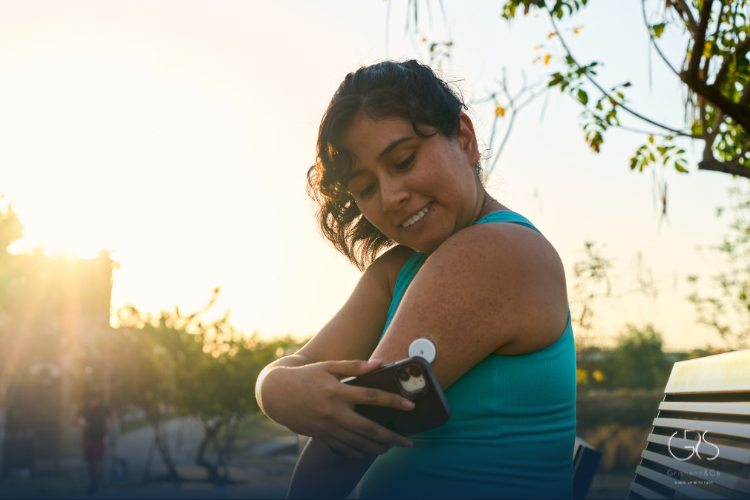
Continuous glucose monitors, diabetes educators, and telehealth visits have all been shown to improve outcomes, particularly during periods of routine disruption.
Finding Joy and Balance During Holidays With Diabetes
Living with diabetes does not mean missing out. Holidays with diabetes can still be meaningful, delicious, and joyful when approached with self-compassion and science-backed strategies. The goal is not perfect numbers, but feeling well, staying safe, and creating memories that are about connection, not control.
Sources
- CDC, Diabetes
- American Diabetes Association, 7 Tips to Stay on Track with Your Diabetes Management During the Holidays
- Columbia University, Managing Your Diabetes Over the Holidays