


Cholesterol is one of those words that instantly creates concern. It is mentioned during medical checkups, highlighted on food labels, and often linked to heart attacks or clogged arteries. But cholesterol is far more complex than a simple health villain. In reality, your body cannot function without it. Understanding how cholesterol affects the body allows you to move beyond fear and make balanced, science-based decisions about your diet and lifestyle.
What Cholesterol Actually Is
Cholesterol is a waxy, fat-like substance found in every cell of your body. It plays an essential role in building cell membranes, producing hormones, and aiding digestion. Around 70–80% of your cholesterol is produced by the liver, while the remaining portion comes from food sources.
The real concern is not cholesterol itself, but how it is transported, balanced, and regulated within the body. To understand how cholesterol affects the body, it’s important to look at its functions at different biological levels.
Why Cholesterol Has a Negative Reputation
Cholesterol is often associated with cardiovascular disease. Elevated levels of certain cholesterol particles can increase the risk of plaque buildup inside arteries. However, research shows that cholesterol alone does not determine heart health.
Inflammation, genetics, insulin resistance, diet quality, stress, and physical activity all influence how cholesterol affects the body. In other words, cholesterol is one piece of a much larger health puzzle.
How Cholesterol Affects the Body at the Cellular Level
Every cell depends on cholesterol to survive. Without it, basic biological functions would fail.
Cell Membrane Structure and Stability
Cholesterol is a crucial component of cell membranes. It helps maintain the right balance between flexibility and strength. Without adequate cholesterol, membranes could become either too rigid or too fragile.
This structural support allows cells to adapt to temperature changes and environmental stress while maintaining their integrity.
Cellular Communication
Cells communicate through receptors embedded in their membranes. Cholesterol helps organize these receptors into specialized structures known as lipid rafts. These rafts improve signal transmission between cells.
When cholesterol balance is disrupted, communication between cells may weaken, affecting immune responses, metabolism, and hormone regulation.
How Cholesterol Affects the Body Through Lipoproteins
Because cholesterol cannot travel alone in the bloodstream, it is transported by particles called lipoproteins. These carriers determine whether cholesterol supports health or contributes to disease.
LDL Cholesterol and Artery Health
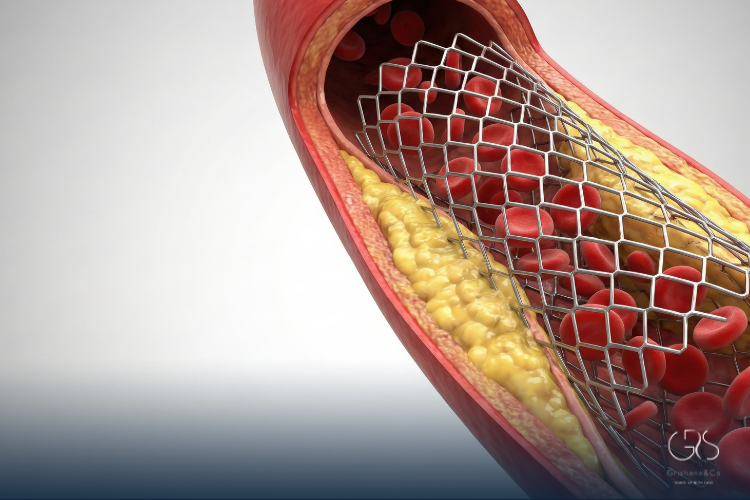
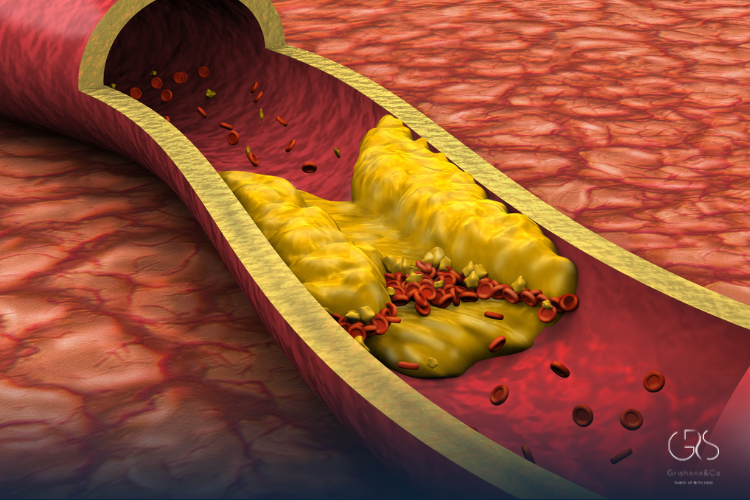
Low-density lipoprotein plays a central role in transporting cholesterol from the liver to various tissues throughout the body. When LDL cholesterol levels become elevated, excess particles can settle within artery walls, particularly after oxidation. Over time, this buildup contributes to plaque formation and raises the risk of atherosclerosis.
Still, the overall impact depends on several factors, including particle size, levels of inflammation, and individual lifestyle habits.
HDL Cholesterol and Protective Effects
High-density lipoprotein plays a protective role by collecting excess cholesterol from body tissues and carrying it back to the liver for processing and removal. Higher levels of HDL cholesterol are generally linked to a reduced risk of cardiovascular disease.
Maintaining a healthy balance between LDL and HDL is essential for understanding how cholesterol influences overall heart health and bodily function.
How Cholesterol Affects the Body and Heart Health
Heart health is where cholesterol receives the most attention.
Plaque Formation
When LDL particles accumulate in artery walls, they can trigger inflammation. Over time, plaque develops, narrowing arteries and reducing blood flow. This process increases the risk of heart attacks and strokes.
Blood Pressure Interaction
Cholesterol buildup can stiffen arteries, reducing their ability to expand. This stiffness contributes to high blood pressure and places extra strain on the heart.
Managing cholesterol alongside blood pressure significantly reduces cardiovascular risk.
How Cholesterol Affects the Body in Hormone Production
Cholesterol is the foundation for several essential hormones.
Steroid Hormones
Cholesterol is required to produce estrogen, testosterone, cortisol, and aldosterone. These hormones regulate reproduction, metabolism, stress response, and fluid balance.
Extremely low cholesterol levels can interfere with hormone production and lead to fatigue, mood changes, and reproductive challenges.
Vitamin D Production
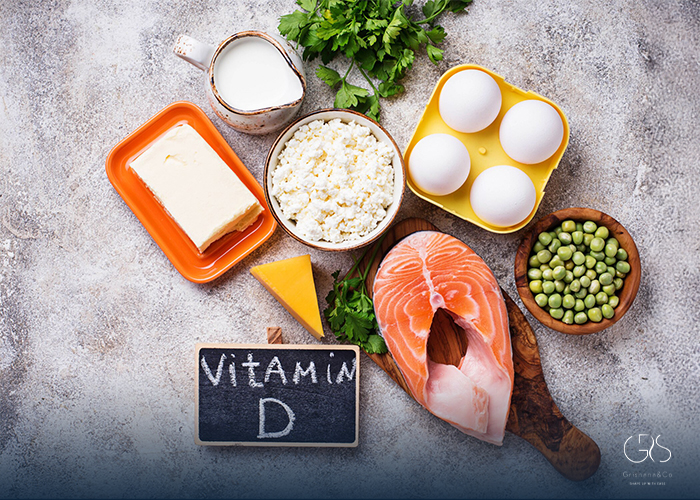
Your skin uses cholesterol to produce vitamin D when exposed to sunlight. Vitamin D supports bone strength, immune function, and inflammation control.
This connection further highlights how cholesterol affects the body beyond cardiovascular health.
(Read more about how vitamin D affects your cholesterol levels.)
How Cholesterol Affects the Body and Brain Function
The brain contains nearly 25% of the body’s total cholesterol.
Cognitive Function
Cholesterol supports the formation of synapses, allowing neurons to communicate effectively. Proper cholesterol balance is essential for memory, learning, and mental clarity.
Aging and Neurological Health
Long-term cholesterol imbalance, especially when combined with inflammation and vascular damage, may influence cognitive decline. However, blood cholesterol and brain cholesterol are regulated differently, making the relationship complex.
How Cholesterol Affects the Body and Digestion
Cholesterol is also critical for digestion.
Bile Acid Production
The liver converts cholesterol into bile acids, which help digest fats and absorb vitamins A, D, E, and K. Without sufficient cholesterol, fat digestion becomes less efficient.
Gut Microbiome Interaction
Emerging research suggests that gut bacteria influence bile acid recycling and cholesterol metabolism. This means digestive health may shape how cholesterol affects the body overall.
Lifestyle Factors That Influence How Cholesterol Affects the Body
Lifestyle choices strongly determine cholesterol balance.
Diet Quality
Current research shows that saturated fats, refined carbohydrates, and trans fats have a greater impact on blood cholesterol than dietary cholesterol alone. Diets rich in fiber, healthy fats, and antioxidants help regulate cholesterol levels naturally.
Physical Activity
Regular exercise increases HDL levels and improves LDL particle quality. Active individuals typically have healthier lipid profiles.

Stress and Sleep
Chronic stress and poor sleep can disrupt cholesterol balance through hormonal pathways involving cortisol and insulin.
Individual Differences in Cholesterol Response
Not everyone responds to cholesterol in the same way.
Genetics
Conditions like familial hypercholesterolemia cause high LDL levels regardless of lifestyle. In such cases, medication may be necessary.
Age and Hormonal Changes
Cholesterol levels tend to rise with age. Hormonal changes, particularly during menopause, can significantly affect lipid profiles in women.
Personalized evaluation is essential when assessing how cholesterol affects the body in each individual.
Conclusion
Cholesterol is neither purely harmful nor purely beneficial. It is a vital molecule required for cell structure, hormone production, brain health, digestion, and vitamin D synthesis. Health risks arise when cholesterol transport and balance are disrupted, especially in the presence of inflammation and unhealthy lifestyle patterns.
Understanding how cholesterol affects the body empowers you to move beyond fear-based messaging and adopt sustainable, evidence-based strategies for long-term health.
Sources
- CDC, LDL and HDL Cholesterol and Triglycerides
- Harvard Health Publishing, Cholesterol