


Iron deficiency anemia is one of the most widespread nutritional conditions in the world, affecting people of all ages from young children to older adults. Although extremely common, it’s surprisingly easy to overlook because its earliest signs often mimic everyday fatigue or stress. Understanding how your body signals low iron can help you identify the problem sooner and prevent more serious complications. In this guide, we explore the science behind Iron Deficiency Anemia Symptoms, what they feel like in real life, and how they show up in the body long before a blood test is ordered.
What Happens in the Body During Iron Deficiency
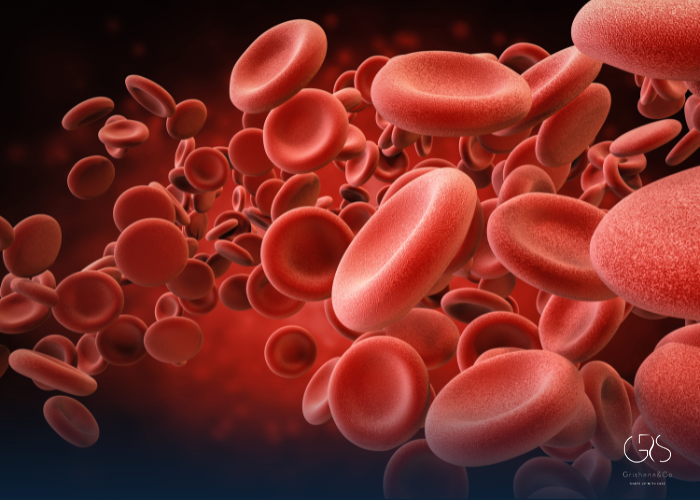
When iron levels drop, the body struggles to produce hemoglobin the protein in red blood cells that carries oxygen. As a result, every tissue begins to feel the impact. Muscles fatigue more quickly, cognitive performance decreases, and the heart works harder to circulate the limited oxygen available. These internal changes explain why Iron Deficiency Anemia Symptoms can be so diverse, ranging from subtle to disruptive.
Why Iron Levels Drop in the First Place
Iron deficiency develops for a wide range of reasons. Some people simply don’t get enough iron from their diet, especially those who avoid red meat or follow plant-based eating patterns. Others lose iron through heavy menstrual cycles, chronic digestive bleeding, frequent blood donation, or malabsorption conditions such as celiac disease. Pregnancy also increases iron demand significantly. Regardless of the cause, the symptoms tend to follow a fairly predictable pattern as iron levels continue to decline.
Early Iron Deficiency Anemia Symptoms to Watch For
Early signs are often the most confusing because they resemble normal tiredness or lifestyle-related fatigue. But if you’re experiencing these sensations frequently, they might signal that your body is struggling to maintain adequate oxygen transport.
Persistent Fatigue and Low Energy
The most common early symptom is a lingering sense of tiredness that doesn’t improve with rest. Studies show fatigue can appear even before anemia is fully established. This happens because the body begins prioritizing oxygen delivery to essential organs, leaving muscles and peripheral tissues under-supplied.
Unusual Weakness During Daily Activities
You might notice everyday tasks feeling heavier carrying groceries, climbing stairs, or completing a workout. When muscles operate with less oxygen, they fatigue faster, often causing a sense of disproportionate weakness.

Frequent Dizziness or Lightheadedness
Dizziness occurs when the brain receives less oxygen than usual. While brief lightheaded moments may seem harmless, persistent episodes deserve attention because they commonly appear among the earliest Iron Deficiency Anemia Symptoms.
Irritability and Difficulty Concentrating
Cognitive effects are surprisingly common. Research indicates that low iron reduces neurotransmitter synthesis, which can impair focus, memory, and emotional regulation. Many patients describe feeling “foggy” or unusually irritable.
Moderate Iron Deficiency Anemia Symptoms Affecting Daily Life
As iron reserves continue to drop, symptoms become more noticeable and harder to dismiss.
Shortness of Breath with Minimal Effort
When hemoglobin decreases, the body compensates by increasing breathing rate. People often sense they’re out of breath sooner than normal—even during simple activities like walking or talking for long periods.
Heart Palpitations or Rapid Heartbeat
The heart works overtime to deliver oxygen. This increased workload can produce irregular beats, a racing pulse, or a strong pounding sensation in the chest. These can feel alarming but are common physiological responses in moderate anemia.
Pale or Yellowish Skin
Reduced red blood cell mass affects skin coloration, especially in areas like the lips, eyelids, and nails. A lack of healthy hemoglobin can make the skin look dull or washed-out.
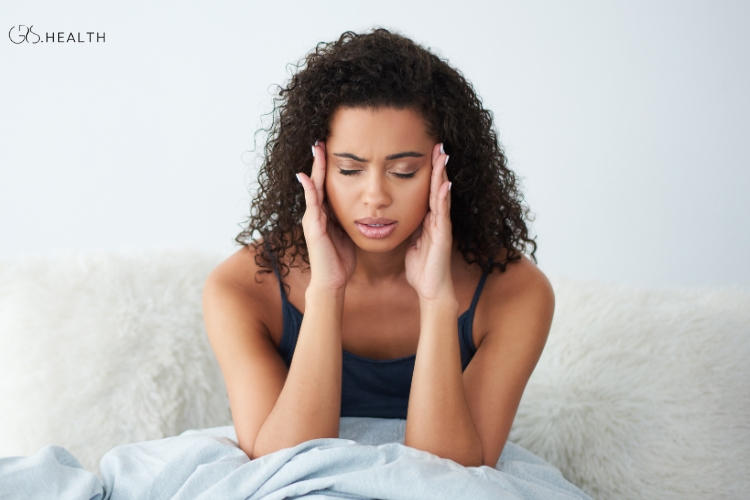
Headaches That Occur More Often
Research suggests that anemia promotes the dilation of blood vessels in the brain, leading to recurrent headaches. These headaches often improve once iron levels return to normal.
Advanced Iron Deficiency Anemia Symptoms That Shouldn’t Be Ignored
These symptoms indicate significant iron depletion and require medical attention.
Chest Pain or Pressure
In severe cases, the heart struggles to supply oxygen even at rest. A feeling of pressure or discomfort in the chest is a red-flag symptom requiring urgent evaluation.

Tingling or Cold Hands and Feet
Restricted oxygen flow can cause peripheral nerves to function poorly, leading to sensations of tingling, numbness, or persistent coldness.
Brittle Nails and Hair Loss
Keratin-producing cells are extremely sensitive to low iron levels. When iron is scarce, nail strength weakens, leading to ridges or breakage. Hair follicles may also enter a shedding phase, resulting in diffuse hair thinning.

Unusual Cravings (Pica)
Some people develop cravings for non-food items such as ice, clay, paper, or dirt. This behavior, known as pica, has been observed in many individuals with severe iron deficiency, although the reason behind it is still being researched.
How Iron Deficiency Presents Differently Across Age Groups
Iron deficiency doesn’t affect everyone in the same way. Children, adults, and older individuals often experience distinct variations.
Children and Adolescents
In younger populations, symptoms may include slower growth, behavioral issues, or difficulty learning at school. The brain requires iron for proper development, making early detection essential.
Adult Women
Due to menstrual blood loss and pregnancy demands, women are more likely to develop iron deficiency. Fatigue, hair loss, and paleness often appear earlier and more prominently.
Adult Men
Men typically develop anemia due to internal bleeding or chronic digestive conditions. These tend to produce more severe Iron Deficiency Anemia Symptoms before diagnosis.
Older Adults
In this age group, anemia can worsen existing cardiac or respiratory conditions. Symptoms such as breathlessness or dizziness may be mistaken for aging but often indicate low iron.
The Science Behind Diagnosing Iron Deficiency
Recognizing symptoms is helpful, but diagnosis requires understanding what doctors measure.
Ferritin Levels as the First Indicator
Ferritin reflects stored iron. Low ferritin almost always confirms iron deficiency, even before anemia develops. Many clinicians rely on this marker as a primary indicator.
Hemoglobin and Hematocrit Changes
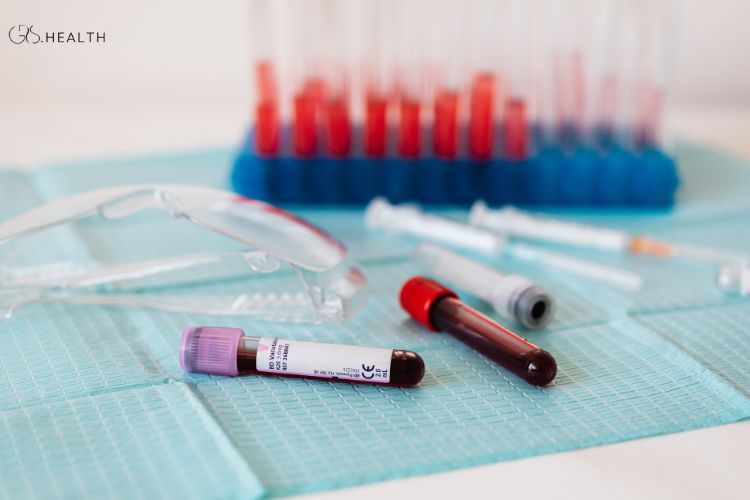
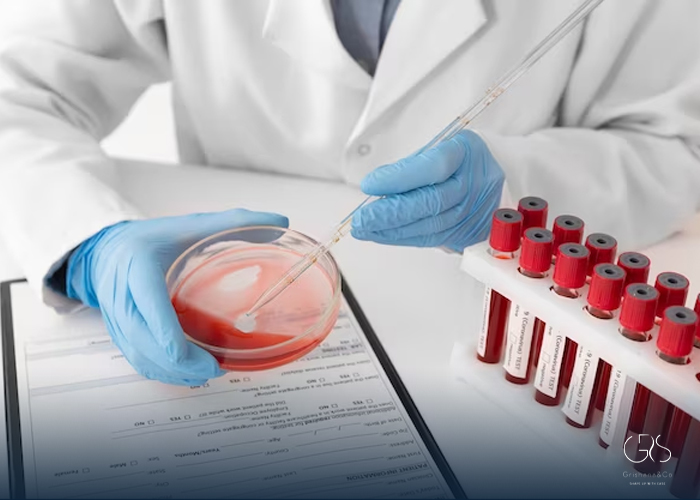
Once hemoglobin levels drop below standard ranges, anemia is officially diagnosed. Hematocrit, the percentage of red blood cells in blood volume, provides additional confirmation.
Transferrin Saturation and TIBC
These measurements assess the body’s ability to transport iron. Low transferrin saturation typically appears alongside other Iron Deficiency Anemia Symptoms and helps determine severity.
When Additional Tests Are Needed
In cases of unexplained deficiency, doctors may order stool tests for hidden blood loss, endoscopy, or evaluations for malabsorption conditions.
Improving Iron Intake and Reducing Symptoms
Addressing symptoms requires restoring iron levels through diet, supplements, or treatment of underlying causes.
Best Dietary Sources of Iron
Heme iron from animal sources like red meat, poultry, and fish—is absorbed most efficiently. Plant-based sources such as lentils, beans, spinach, and fortified cereals also contribute, although absorption varies.
(Read more about the benefits of spinach in our article.)
The Role of Vitamin C
Vitamin C enhances the absorption of non-heme iron. Consuming citrus fruits, berries, or tomatoes with iron-rich meals significantly improves bioavailability.
Understanding Iron Supplements
Supplements are highly effective but may cause digestive discomfort. Newer formulations, such as polysaccharide iron complexes, may be gentler. Always take supplements under medical supervision.
Lifestyle Adjustments That Help
Spacing out tea, coffee, and calcium-rich foods from iron-rich meals improves absorption. Managing stress and ensuring adequate rest also support recovery as hemoglobin levels rise.
Conclusion
Recognizing Iron Deficiency Anemia Symptoms early can make a tremendous difference in your overall health and energy levels. While it’s easy to dismiss tiredness or breathlessness as normal parts of a busy lifestyle, your body may be signaling that it needs more support. By paying attention to the subtle clues—fatigue, dizziness, pale skin, and cognitive changes—you can take steps to restore iron levels before complications arise. With proper diagnosis, nutritional changes, and, when necessary, medical treatment, most people recover fully and regain their sense of vitality. Understanding these symptoms empowers you to take charge of your well-being with confidence and clarity.