


If you’ve ever wondered whether you should start adding lemongrass in diet regularly, this article will walk you through the what the science currently shows, how to use it, and what to watch out for. We’ll keep things friendly and reader-focused, while staying scientifically accurate.
What is lemongrass and how does it feature in diet?
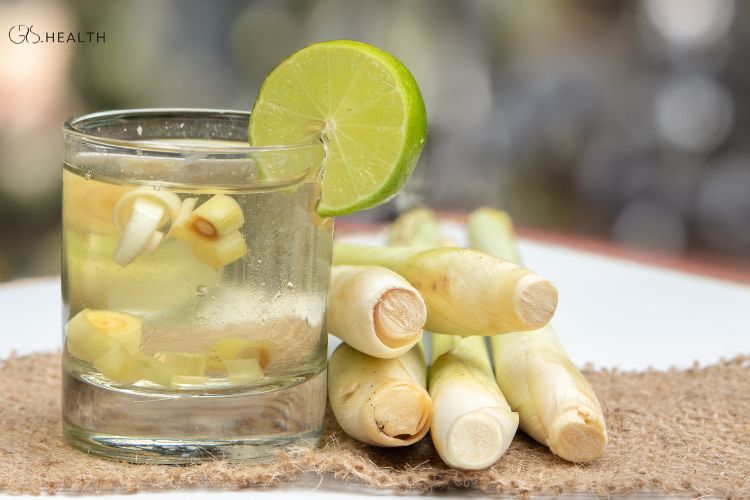
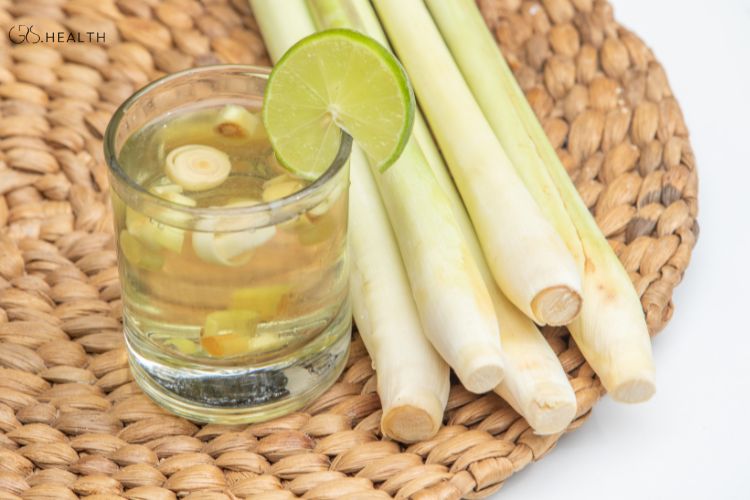
The plant commonly known as lemongrass is Cymbopogon citratus and is a citrus-scented tropical grass used widely in Asian, African and Latin American cuisines. When we talk about including lemongrass in diet, this can mean using fresh stalks in soups or stir-fries, brewing a lemongrass tea, or using extracts/essential oils (though oils present separate considerations). Traditional uses include flavouring food, teas, and folk-medicinal remedies for digestion, fevers, insect bites and more.
From a nutritional standpoint, however, the amounts used in cooking are typically small so you won’t get large macro-nutrient loads. For instance one tablespoon of fresh lemongrass contains about 20 calories, 1 g carbohydrate, and negligible fat or fibre. That said, its value may lie more in its phytochemicals (bioactive compounds) than in calories or macronutrients.

Why consider adding lemongrass in diet?
Rich in bioactive compounds
Research reviews show that lemongrass contains a variety of phenolic metabolites (such as flavonoids, phenolic acids, stilbenes and lignans), terpenoids and alkaloids — all of which may contribute to its biological activity. These compounds are thought to contribute to antioxidant, anti-inflammatory, antimicrobial and other effects. For example, a review described how the volatile compounds (like citral and geraniol) may be responsible for many pharmacological activities.
Thus, by adding lemongrass in diet, you may be increasing your intake of these functional components.
Potential digestive support
One of the long-standing traditional uses of lemongrass is for digestive health — for example to soothe upset stomachs or support normal digestion. Some animal studies suggest protective effects on the stomach lining (gastric mucosa) and anti-microbial effects against certain bacteria like E. coli in the gut. While the human evidence is still limited, adding lemongrass in diet appears to be a relatively low-risk way to support digestive wellness.
Anti-inflammatory, antioxidant and cardiovascular potential
Chronic inflammation and oxidative stress lie at the root of many modern conditions (heart disease, metabolic syndrome etc). Studies suggest lemongrass may exert anti-inflammatory and antioxidant effects. For instance, it contains citral which may help widen blood vessels (vasodilation), reduce blood pressure and promote fluid elimination. Animal studies show lemongrass extracts may improve lipid profiles (lowering “bad” cholesterol) and reduce insulin resistance in high-fat diet models.
Therefore, when you add lemongrass in diet, you may be supporting your cardiovascular and metabolic health in subtle ways — although it’s not a stand-alone cure.
Oral health and antimicrobial effects
Emerging evidence also indicates that lemongrass may help oral health (for example via mouthwash containing lemongrass oil) by reducing plaque and gingivitis when compared to standard treatments. Also antimicrobial and antifungal properties (especially of the oil-based form) have been noted in lab studies. Thus, including lemongrass in diet could contribute modestly to improved oral hygiene and microbial balance (though it’s not a replacement for dental care).
Practical ways to incorporate lemongrass in diet
Here are some friendly, practical tips for adding lemongrass in diet:
- Use fresh stalks: Bruise and chop a lemongrass stalk and add to soups, curries or broths. It adds a fresh lemon-citrus flavour and aroma.
- Brew lemongrass tea: Steep 1-2 stalks in hot water for 5-10 minutes, strain, and enjoy warm or iced.
- Use in marinades or stir-fries: Finely chopped lemongrass lends flavour and may add functional benefits.
- Combine with other herbs/spices: For example ginger + lemongrass in tea or food can be a flavourful combo.
- Consider supplementation or extracts only under professional guidance (especially when using essential oils) — our focus here is on the dietary/herbal food form.
When adding lemongrass in diet, start modestly (since you may need to monitor your body’s response) and integrate into familiar dishes so it feels natural rather than forced.
How strong is the evidence when you add lemongrass in diet?
It’s worth taking a nuanced view of what research does and does not show:
- Much of the research is pre-clinical (lab or animal studies) rather than large human trials. For example, one review noted there is still little scientific information on lemongrass in Africa and few human-based clinical data.
- Some human studies exist (e.g., oral health, blood pressure surrogates) but the quantity and quality are limited. The article on lemongrass tea notes that many benefits are suggested but not yet proven robustly in humans.
- The magnitude of effect when adding lemongrass in diet (versus using concentrated extracts or oil) is likely modest. That means it can complement a healthy diet and lifestyle rather than replace core healthy habits (exercise, balanced diet, sleep, stress-management).
- Safety and dosage matters. While culinary use is generally safe for healthy adults, higher doses or essential oil use carry risks (see next section).
In short: including lemongrass in diet is a low-risk, potentially beneficial step, but you should not expect dramatic effects purely from that change. Use it as one piece of a broader healthy-eating puzzle.
Potential risks and things to watch
While culinary use of lemongrass is generally well tolerated, there are some important caveats when you add lemongrass in diet:
- Pregnant individuals should avoid high intake of lemongrass or its extracts because it may stimulate uterine activity or flow.
- If you have kidney disease, high potassium or fluid-balance issues, the diuretic effect of lemongrass may be relevant.
- Essential oils of lemongrass (not the same as food/herbal use) can cause skin irritation or more serious side-effects if ingested undiluted.
- As with any herb/plant, there is potential for allergic reactions. Start slowly and observe how your body responds.
- Because most human evidence is limited, lemongrass should not be used to treat medical conditions without consulting a healthcare professional.
Realistic expectations: What adding lemongrass in diet can (and cannot) do
What it might do:
- Add flavour and aromatic interest to meals, increasing enjoyment and variety.
- Provide additional phytochemicals (antioxidants, flavonoids, terpenes) that may support digestion, mild inflammation, microbial balance or metabolic health.
- Offer a herbal-tea option that is caffeine-free and hydrating.
- Support oral hygiene when used in food or mouth-rinses in some contexts.
What it likely won’t do:
- Miraculously reverse serious health conditions on its own.
- Act as a substitute for a balanced diet, regular physical activity, sleep or medical treatment.
- Replace clinical therapies for conditions such as hypertension, diabetes, cancer or major digestive disorders.
Summary
If you are exploring ways to enhance your eating habits and wellness routines, adding lemongrass in diet is a tasty, low-risk, potentially beneficial option. The research suggests several promising effects (digestive support, anti-inflammatory, antimicrobial, metabolic) though human-based trials remain limited. Integrating fresh stalks into soups, teas or stir-fries is a practical way to start. As with any nutritional change, consider it within the larger frame of your overall dietary pattern, lifestyle and health goals. If you have medical conditions or are pregnant, check with a healthcare provider before increasing lemongrass intake significantly.
In conclusion: yes — you can add lemongrass in diet and you may gain benefits. But keep expectations realistic, use it as part of a broad healthy-eating approach, and stay tuned: as more research emerges, our understanding of lemongrass’s role will deepen.