


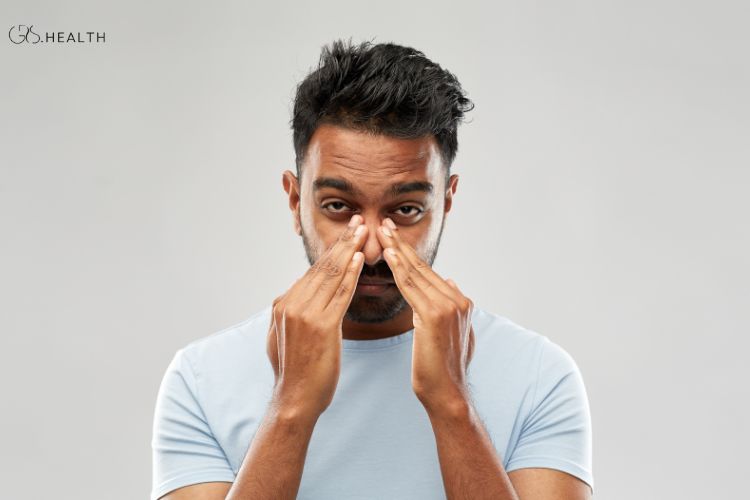
Having a pimple inside nose can be surprisingly painful, uncomfortable, and concerning. Although it might seem like a simple zit, the anatomy of the nostril and the possibility of infection make it more complicated. This article explains what causes a pimple inside nose, the symptoms to look for, medical and home treatments, prevention strategies, and when to see a doctor. The information is based on clinical and dermatological research to ensure accuracy and reliability.
What Is a Pimple Inside Nose?
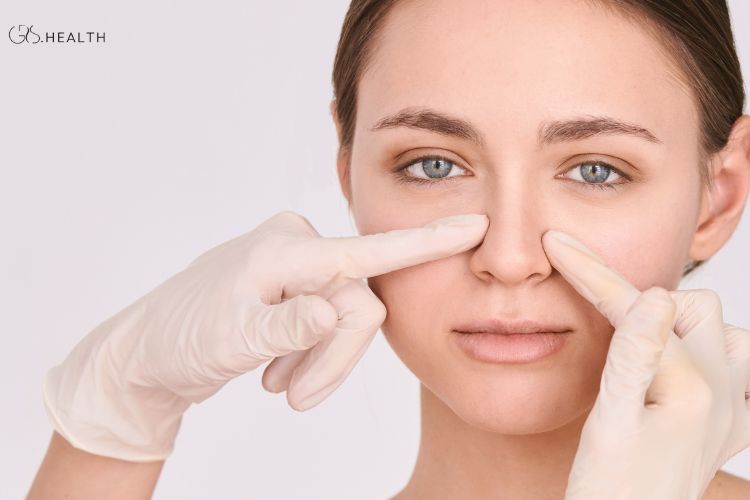
When someone talks about a pimple inside nose, they’re usually referring to a red or tender bump within the nasal vestibule the area just inside the nostrils. Medically, it often corresponds to a condition called nasal vestibulitis, an inflammation of the nasal hair follicles. Unlike a typical pimple on the skin, the inside of the nose has thin, sensitive tissue with many small blood vessels, making any infection here more painful and potentially risky.
Causes of a Pimple Inside Nose
There are several reasons why a pimple inside nose might form, ranging from simple irritation to bacterial infection.
1. Hair-Follicle Infection (Folliculitis)
The inner nose contains tiny hair follicles that can become infected with bacteria, especially Staphylococcus aureus. This leads to inflammation known as folliculitis or nasal vestibulitis. Common triggers include nose-picking, excessive nose-blowing, or plucking nasal hairs.
2. Ingrown Hair or Clogged Pore
Just like on other parts of the body, an ingrown hair or a blocked sebaceous gland can create a bump. The confined and humid environment inside the nose makes it easier for such blockages to become inflamed.
3. Trauma or Irritation
Frequent nose-blowing, picking, or inserting objects into the nostrils can damage the lining, creating entry points for bacteria and increasing the likelihood of infection.
4. Acne Predisposition
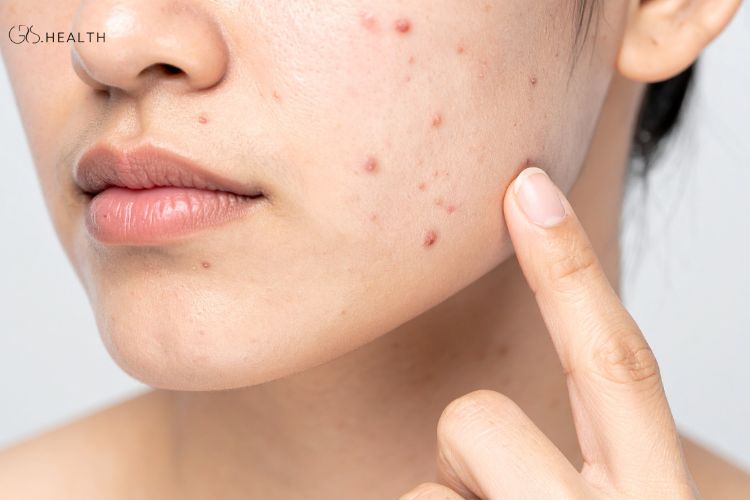
Individuals with oily skin or acne-prone skin may experience outbreaks even inside the nostrils. Excess sebum and dead cells can block pores, resulting in pimples in this sensitive area.( Read more about understanding Sebum )
5. Risk Factors
Conditions such as diabetes, chronic sinus infections, nasal piercings, or a weakened immune system can increase the risk of developing a pimple inside nose.
Symptoms and Signs of a Pimple Inside Nose
Typical signs that suggest a pimple inside nose include:
- Red or white bump inside the nostril
- Tenderness, throbbing, or a sensation of pressure
- Swelling around or just inside the nostril
- Crusting, discharge, or minor bleeding
- Pain that worsens when touching or blowing the nose
If the pimple turns into a boil or shows signs of spreading, medical treatment is necessary to prevent complications.
Why a Pimple Inside Nose Can Be More Serious
The nasal area contains a dense network of veins that connect directly to the veins around the brain a region doctors call the “danger triangle” of the face. Infections in this zone can, though rarely, spread deeper into the skull. Because of this connection, a pimple inside nose should never be squeezed or popped. The confined space of the nostril also means swelling can cause significant pain or even mild breathing difficulty. The thin mucosal lining inside the nose is delicate, and harsh acne products can worsen irritation or cause burns if used carelessly.
Treatment Options for a Pimple Inside Nose
Treating a pimple inside nose depends on how severe it is. Many mild cases resolve with good hygiene and warm compresses, but persistent or painful ones may need medical attention.
Home Remedies and Self-Care
- Warm Compresses: Apply a clean, warm cloth to the outside of the nose for 10–15 minutes, several times a day. This helps improve blood circulation and promotes natural drainage.
- Proper Hygiene: Avoid picking or blowing your nose harshly. Wash your hands frequently, especially before touching your face.
- Saline Rinses: Using a gentle saline spray or rinse keeps the nostrils clean and reduces bacterial buildup.
- Avoid Harsh Acne Creams: Do not apply benzoyl peroxide or strong acids inside the nostril, as these can damage the mucous lining.
- Observation: Many small bumps shrink within a week if kept clean and untouched.
Medical Treatments
If symptoms worsen, a doctor may prescribe one or more of the following:
- Topical Antibiotics: Ointments such as mupirocin or fusidic acid can be applied to eliminate bacteria.
- Oral Antibiotics: Used if infection spreads or causes swelling beyond the nostril.
- Incision and Drainage: For a large abscess or boil, a healthcare professional may need to drain it safely.
When to See a Doctor
Seek professional help immediately if:
- The swelling spreads beyond the nose
- You develop fever, chills, or fatigue
- Pain becomes severe or vision changes occur
- You have frequent recurrences of nasal pimples
Prompt treatment prevents serious complications like cellulitis or cavernous sinus thrombosis, though these are rare.
Prevention of a Pimple Inside Nose
Preventing a pimple inside nose focuses on hygiene and avoiding trauma to the delicate nasal lining.
- Avoid nose-picking or plucking hairs. Instead, trim them with clean scissors.
- Wash your hands often, especially during cold or allergy seasons.
- Do not share towels, tissues, or nasal devices with others.
- Manage underlying conditions like allergies or chronic sinus issues that cause frequent irritation.
- Keep the inside of your nose moist with saline sprays if your environment is dry.
- Treat facial acne early to prevent bacterial spread to nasal areas.
- Clean nose piercings properly and avoid touching them unnecessarily.
Following these habits minimizes irritation and bacterial buildup, reducing the likelihood of infection.
Complications of a Pimple Inside Nose
Although uncommon, untreated or severe cases of a pimple inside nose can lead to complications:
- Nasal Cellulitis: A deeper infection of the nasal tissues, causing redness, swelling, and fever.
- Furuncle or Abscess: A more serious form of localized infection that may require drainage.
- Cavernous Sinus Thrombosis: A rare but dangerous spread of infection to the veins near the brain.
- Chronic Recurrence: Repeated infections can signal an underlying bacterial colonization or immune deficiency.
If any of these occur, an ear, nose, and throat (ENT) specialist should evaluate and treat the condition promptly.
Myths and Facts About a Pimple Inside Nose
Myth 1: You can pop it to make it go away faster.
Fact: Never pop or squeeze it. This can cause the infection to spread or leave scars.
Myth 2: Only people with acne get nasal pimples.
Fact: Even people without facial acne can develop them due to trauma, bacteria, or nose-picking.
Myth 3: It’s always harmless.
Fact: Most cases are mild, but untreated infections near the nasal region can sometimes spread or cause serious complications.
Lifestyle Tips for Faster Healing
To help a pimple inside nose heal more quickly, support your body’s natural defense system:
- Stay hydrated to maintain mucosal moisture.
- Eat a balanced diet rich in vitamin C and zinc, which support skin repair and immune function.
- Avoid smoking, as it impairs tissue healing.
- Use a humidifier in dry environments to prevent nasal dryness and cracking.
- Get enough sleep to promote immune recovery.
When to Seek Urgent Care
While mild pimples can be managed at home, certain warning signs require immediate medical attention:
- Severe pain and swelling extending to the cheek or upper lip
- High fever or chills
- Vision changes or dizziness
- Red streaks spreading from the nose area
- Recurrent infections despite treatment
A healthcare professional can determine whether additional tests or antibiotic therapy are needed.
Summary
A pimple inside nose may look minor but can cause significant discomfort due to the sensitivity of the nasal lining. It often results from bacterial infection of hair follicles, ingrown hairs, or mechanical irritation from picking or blowing the nose. Symptoms include pain, redness, swelling, and sometimes discharge. Mild cases respond well to warm compresses and hygiene, but more severe ones may need antibiotics. Preventive habits like avoiding trauma, keeping hands clean, and managing allergies are essential for reducing recurrence. If swelling spreads or you develop fever, seek prompt medical care.
Sources
- Medical News Today, Nasal vestibulitis: Is it a pimple, and what can I do about it?
- msd manuals, Bacterial Nasal Infections
- Cleveland Clinic, Nasal Vestibulitis