


Situational depression is a short-term depressive response to specific, identifiable life stressors. It often appears after events such as losing a loved one, divorce, job loss, financial strain, serious illness, or sudden life transitions. In clinical psychology, this condition is classified as an adjustment disorder with depressed mood, according to the Diagnostic and Statistical Manual of Mental Disorders (DSM-5).
What makes this form of depression deeply human is that it arises from real-life disruption. When something meaningful changes abruptly, the brain’s emotional regulation systems can become overwhelmed. This leads to persistent sadness, emotional exhaustion, or hopelessness that goes beyond ordinary stress, yet remains closely tied to circumstances.
Importantly, situational depression is not a personal failure. Neuroscience research shows that acute stress alters neurotransmitter activity, including serotonin and dopamine, while increasing cortisol levels. These biological changes directly affect mood, motivation, and emotional resilience, helping explain why distress can feel so intense.
Situational Depression Compared to Major Depression
Key Differences in Cause and Duration
Situational depression differs from major depressive disorder in several important ways. Major depression may develop without an external trigger and typically lasts longer, often requiring extended treatment. In contrast, situational depression emerges in response to a clear stressor and usually improves as the individual adapts or the situation changes.
A study published in the Journal of Affective Disorders found that people experiencing stress-related depressive symptoms often retain emotional responsiveness and hope, unlike those with more severe clinical depression.
Can It Turn Into Something More Serious?
Although this condition is usually temporary, it can progress into major depression if stressors persist or emotional support is limited. Prolonged activation of the stress response system can impair neuroplasticity, increasing vulnerability to long-term mood disorders. Early recognition and care significantly reduce this risk.
Common Causes and Triggers
Life Events That Overwhelm Emotional Balance
This type of depression is most often triggered by events involving loss, change, or perceived lack of control. Common examples include bereavement, relationship breakdowns, infertility, relocation, caregiving responsibilities, or chronic workplace stress.
Psychological research highlights perceived helplessness as a major contributor. When people feel unable to influence their circumstances, emotional distress intensifies and coping resources become strained.
How Stress Impacts the Brain
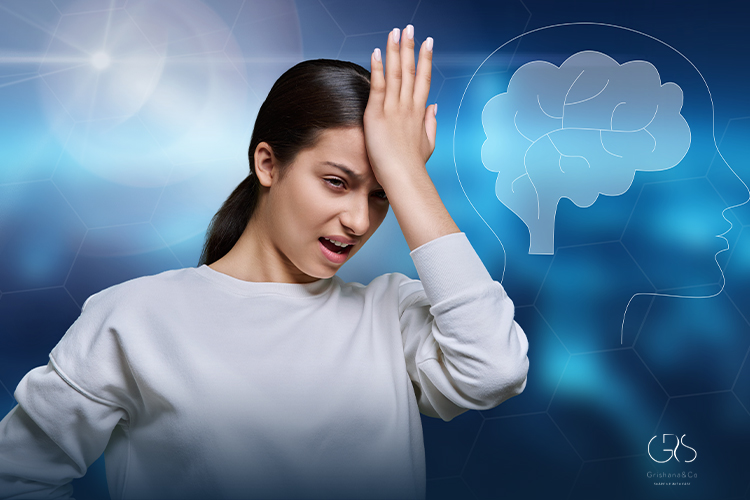
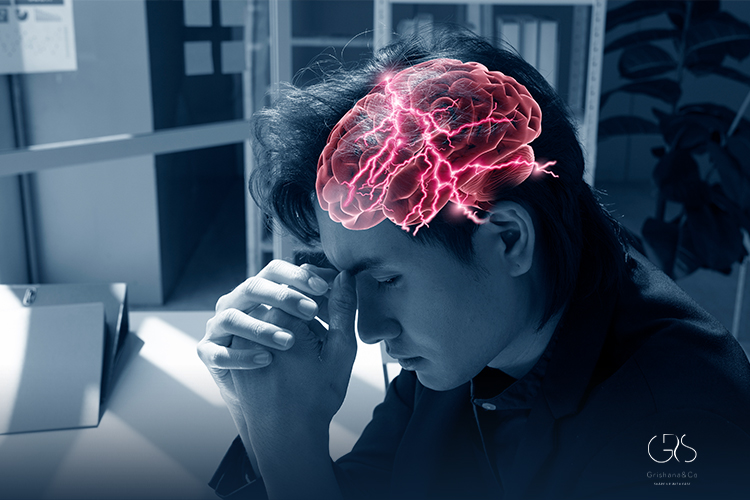
Stress activates the hypothalamic-pituitary-adrenal (HPA) axis, increasing cortisol production. Chronic elevation of cortisol disrupts serotonin signaling and affects brain regions such as the hippocampus, which plays a role in mood regulation and memory. These neurobiological changes explain why stress-related depression affects both emotional and cognitive functioning.
Recognizing the Symptoms
Emotional and Psychological Signs
People experiencing situational depression often report ongoing sadness, frequent crying, irritability, emotional numbness, or feeling overwhelmed. Enjoyment in previously meaningful activities may decline, though moments of relief can still occur.
Unlike major depression, self-worth is usually less severely impaired. Many individuals are aware that their feelings are connected to circumstances, yet still feel emotionally stuck.
Physical and Cognitive Symptoms
Depression linked to stress often presents with physical symptoms such as fatigue, sleep disturbances, headaches, digestive discomfort, and difficulty concentrating. Research suggests that inflammation triggered by stress may contribute to these bodily experiences, reinforcing the mind-body connection.
How Situational Depression Is Diagnosed
Clinical Assessment and Criteria
Mental health professionals diagnose situational depression through clinical interviews that assess symptom duration, severity, and context. According to DSM-5 criteria, symptoms typically develop within three months of the triggering event and cause noticeable distress or functional impairment.
Clinicians also evaluate whether emotional responses exceed culturally expected reactions to stress, ensuring that normal grief or adjustment is not unnecessarily pathologized.
Why Professional Evaluation Matters
Although self-assessment tools can raise awareness, they cannot replace professional diagnosis. Stress-related depression can resemble anxiety disorders, burnout, or major depression, making accurate evaluation essential for appropriate care.
Evidence-Based Treatment Approaches
Psychotherapy as First-Line Treatment
Psychotherapy is the most effective treatment for situational depression. Cognitive behavioral therapy (CBT) helps individuals identify unhelpful thought patterns and develop adaptive coping strategies. Large-scale studies published in The Lancet Psychiatry confirm CBT’s effectiveness for stress-related depressive symptoms.
Interpersonal therapy (IPT) is also well-supported by research, particularly when symptoms are linked to grief, role transitions, or relationship difficulties.
When Medication Is Considered
Medication is not always necessary. Antidepressants may be considered when symptoms are severe, persistent, or significantly impair daily functioning. Clinical guidelines recommend combining medication with therapy rather than using medication alone in stress-related cases.
(For more information, please read this article about the treatment of depression.)
Lifestyle Strategies That Support Healing
The Science of Sleep, Movement, and Nutrition
Lifestyle changes can significantly support recovery. Regular physical activity increases brain-derived neurotrophic factor (BDNF), which supports emotional resilience. Adequate sleep helps regulate mood-related neurotransmitters, while balanced nutrition provides essential building blocks for brain function.
Research consistently shows that even moderate exercise, such as brisk walking, can reduce depressive symptoms linked to stress.
The Power of Social Connection
Social support is one of the strongest protective factors against situational depression. Long-term studies from Harvard University demonstrate that meaningful relationships buffer stress and improve emotional outcomes. Sharing emotional experiences with trusted people reduces isolation and enhances psychological resilience.
Situational Depression Across Life Stages
Adolescents and Young Adults
Younger individuals may experience situational depression during academic pressure, social challenges, or identity development. Because the brain is still developing, emotional regulation can be more sensitive to stress, increasing vulnerability.
Early intervention during this stage reduces the likelihood of long-term mental health difficulties.
Adults and Older Populations
In adulthood, stress-related depression often emerges during career changes, caregiving roles, or health challenges. Older adults may experience it following retirement, bereavement, or loss of independence. Research shows that age-sensitive, context-aware support improves outcomes across the lifespan.
When to Seek Professional Help
Signs That Require Attention
Although situational depression is often temporary, professional help should be sought if symptoms persist beyond several months, worsen over time, or interfere with daily functioning. Thoughts of self-harm or emotional numbness require immediate support.
Early treatment leads to faster recovery and lowers the risk of progression to major depression.
Reducing Stigma Around Mental Health Care
Scientific evidence consistently shows that seeking help reflects self-awareness and resilience. Normalizing mental health support encourages timely care and improves overall wellbeing.
Conclusion
Situational depression is a scientifically recognized emotional response to life’s most challenging moments. It reflects the natural interaction between stress, brain chemistry, and lived experience. While painful, it is also highly treatable. With timely support, evidence-based therapy, healthy lifestyle strategies, and compassionate understanding, recovery is not only possible but expected. Understanding this condition empowers individuals to respond with empathy, clarity, and hope.
Sources
- American Psychiatric Association, Diagnostic and Statistical Manual of Mental Disorders
- Mayo Clinic, Adjustment disorders and depression
- The Lancet Psychiatry, Efficacy and effectiveness of therapist-guided
- Harvard Medical School, Understanding the stress response