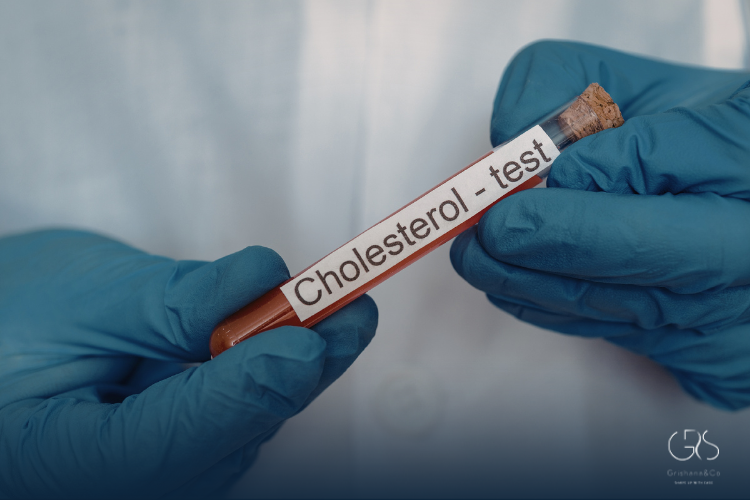



If you’ve ever looked at your cholesterol numbers and felt a mix of confusion and concern, you’re not alone. Cholesterol management can feel overwhelming, especially when medication is mentioned early in the conversation. The good news is that lifestyle choices matter a lot, and simple daily habits can support healthier cholesterol levels. One of the most approachable habits is drinking tea. Research shows that certain teas contain powerful compounds that can help improve lipid profiles when consumed regularly. In this guide, we’ll explore five evidence-based teas for cholesterol, how they work in the body, and how to use them safely as part of a heart-smart routine.
How Cholesterol Affects Heart Health
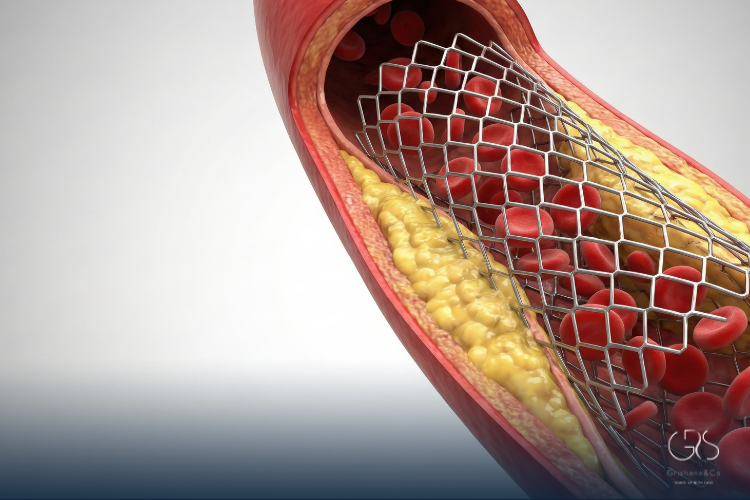
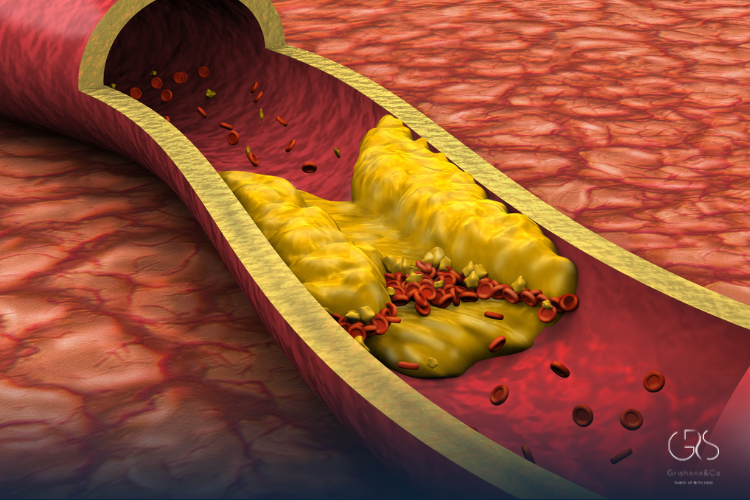
Cholesterol itself isn’t the enemy. Your body needs it to build cells and hormones. Problems arise when low-density lipoprotein (LDL) cholesterol becomes too high, increasing plaque buildup in arteries. High-density lipoprotein (HDL), often called “good cholesterol,” helps remove excess cholesterol from the bloodstream. Many teas for cholesterol influence this balance by reducing LDL oxidation, improving bile acid excretion, or supporting metabolic health.
Understanding LDL and HDL Cholestero
LDL particles transport cholesterol to tissues, but excess LDL can accumulate in arterial walls. HDL carries cholesterol back to the liver for removal. Studies consistently show that lowering LDL, even modestly, reduces cardiovascular risk. Dietary polyphenols found in tea can help protect LDL from oxidative damage, a key step in atherosclerosis.
The Role of Inflammation and Oxidation
Chronic inflammation and oxidative stress accelerate cholesterol-related damage. Tea antioxidants, particularly flavonoids and catechins, neutralize free radicals and may reduce inflammatory signaling. This is one reason teas for cholesterol are frequently studied in cardiovascular research.
Why Teas for Cholesterol Work According to Science
Tea is rich in bioactive compounds that interact with cholesterol metabolism. These include catechins, theaflavins, and soluble fibers. Clinical trials and population studies suggest regular tea consumption is associated with lower total cholesterol and LDL levels, especially when paired with a balanced diet.
Polyphenols and Lipid Metabolism
Polyphenols can inhibit cholesterol absorption in the intestine and enhance its excretion. Green tea catechins, for example, reduce micelle formation, limiting how much cholesterol enters the bloodstream.
Tea and Gut Microbiome Interaction
Emerging research shows that tea polyphenols also affect gut bacteria. A healthier microbiome can improve bile acid metabolism, indirectly lowering circulating cholesterol. This gut-heart connection helps explain why teas for cholesterol have systemic benefits beyond antioxidants alone.
Green Tea: A Gold Standard Among Teas for Cholesterol
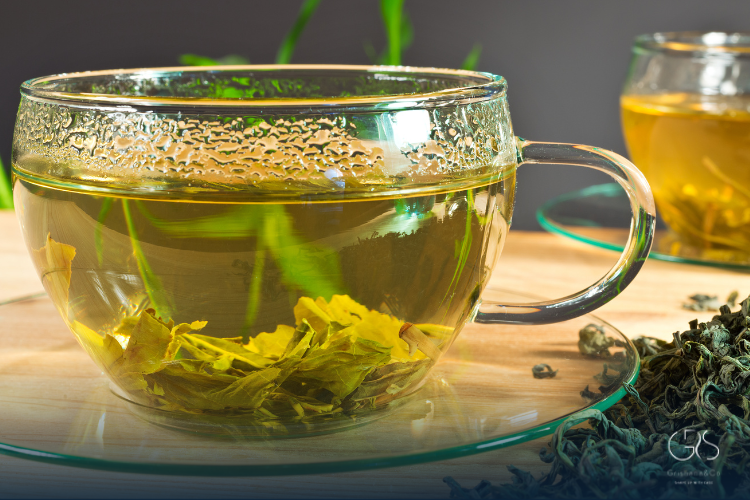
Green tea is one of the most researched beverages in nutritional science. It’s especially rich in epigallocatechin gallate (EGCG), a catechin linked to improved lipid profiles.
How Green Tea Lowers LDL Cholesterol
Multiple randomized controlled trials show that green tea consumption reduces total and LDL cholesterol by inhibiting intestinal absorption and increasing cholesterol excretion. A meta-analysis published in The American Journal of Clinical Nutrition found significant LDL reductions in people consuming green tea or green tea extract.
(Read more about the benefits of green tea.)
How Much Green Tea Is Effective
Most studies show benefits at 2–4 cups per day. Consistency matters more than high doses. For those sensitive to caffeine, decaffeinated green tea still provides polyphenols and remains effective among teas for cholesterol.
Black Tea and Its Impact on Cholesterol Levels
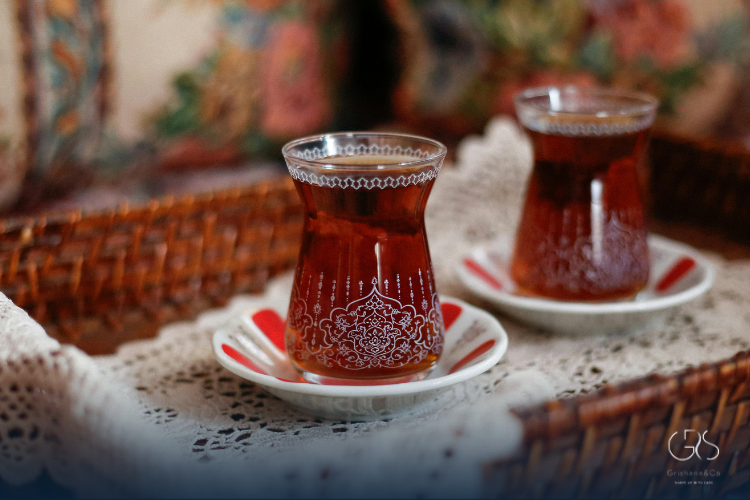
Black tea is fully oxidized, giving it a stronger flavor and a different antioxidant profile compared to green tea. Its theaflavins play a central role in cholesterol management.
Theaflavins and Cholesterol Reduction
Theaflavins inhibit cholesterol synthesis in the liver and reduce absorption in the gut. Clinical studies show regular black tea consumption can lower LDL cholesterol by up to 10% in some populations.
Black Tea in Daily Diets
Black tea is often consumed with milk or sugar, which may counteract some benefits. For best results, drink it plain or with a splash of plant-based milk. As one of the most accessible teas for cholesterol, black tea fits easily into daily routines.
Oolong Tea: A Balance Between Green and Black
Oolong tea is partially oxidized, offering a unique mix of catechins and theaflavins. This balance makes it especially interesting from a metabolic perspective.
Oolong Tea and Fat Metabolism
Research suggests oolong tea enhances fat oxidation and improves lipid metabolism. A study in the Chinese Journal of Integrative Medicine found that regular oolong tea intake reduced LDL cholesterol and body fat over six weeks.
Who Benefits Most From Oolong Tea
Oolong may be particularly helpful for individuals with borderline high cholesterol combined with metabolic syndrome. Among teas for cholesterol, it offers both cardiovascular and metabolic support.
Hibiscus Tea and Cholesterol Control
Hibiscus tea stands out for its deep red color and tart flavor. It’s rich in anthocyanins, compounds known for cardiovascular protection.
Hibiscus and LDL Cholesterol
Several clinical trials show hibiscus tea can lower total cholesterol and triglycerides. A randomized study published in Phytomedicine found significant LDL reductions in adults with metabolic risk factors.
Additional Heart Benefits of Hibiscus Tea
Beyond cholesterol, hibiscus tea may help lower blood pressure, making it a strong option for overall heart health. It’s naturally caffeine-free, which broadens its appeal among teas for cholesterol.
White Tea: A Gentle Option for Cholesterol Support
White tea is the least processed form of tea, retaining high levels of antioxidants. Its subtle flavor hides powerful bioactive compounds.
Antioxidant Density in White Tea
White tea contains catechins similar to green tea but in a more delicate form. Laboratory studies show white tea extracts inhibit LDL oxidation, a critical step in plaque formation.
When to Choose White Tea
For people sensitive to caffeine or strong flavors, white tea is an excellent alternative. While fewer clinical trials exist, its antioxidant profile supports its role among teas for cholesterol.
How to Use Teas for Cholesterol Safely and Effectively
Tea is not a replacement for medical treatment, but it can be a valuable addition to a heart-healthy lifestyle. Understanding how to use it properly maximizes benefits.
Best Brewing Practices
Overheating water can destroy delicate polyphenols. Green and white teas brew best at lower temperatures, while black and oolong tolerate hotter water. Brewing for 2–4 minutes preserves antioxidants without excessive bitterness.
Possible Interactions and Precautions
Tea polyphenols can interfere with iron absorption and some medications. If you take statins or have anemia, consult your healthcare provider. Moderation is key, even with natural teas for cholesterol.
Lifestyle Synergy: Tea Plus Diet and Movement
Tea works best when paired with supportive habits. No single beverage can offset a poor diet or sedentary lifestyle.
Diet Patterns That Enhance Tea Benefits
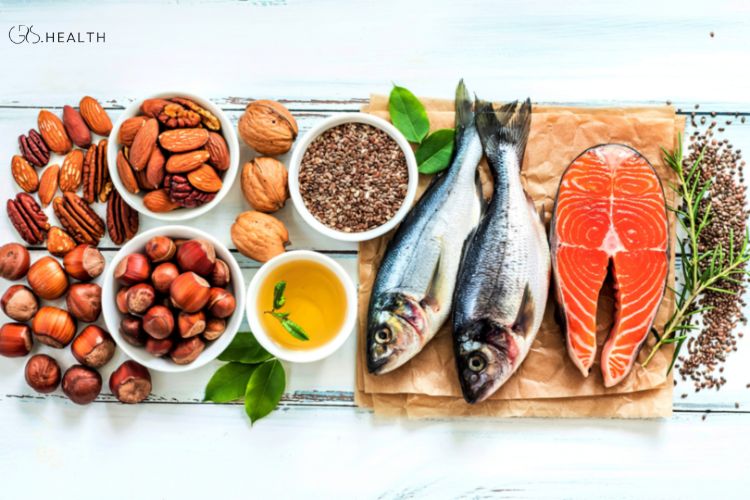
Diets rich in fiber, fruits, vegetables, and healthy fats amplify the effects of tea polyphenols. Soluble fiber, in particular, works synergistically with teas for cholesterol to reduce LDL levels.
Physical Activity and Cholesterol Balance
Regular movement improves HDL cholesterol and insulin sensitivity. When combined with daily tea consumption, exercise creates a powerful, evidence-based approach to heart health.
Conclusion
Managing cholesterol doesn’t have to feel restrictive or intimidating. Small, enjoyable habits can make a meaningful difference over time. Scientific evidence supports the role of green, black, oolong, hibiscus, and white tea as effective teas for cholesterol when consumed consistently and thoughtfully. While tea alone isn’t a cure, it’s a comforting, accessible, and research-backed way to support your heart naturally. By pairing the right tea with balanced nutrition, regular activity, and medical guidance when needed, you give your cardiovascular system the daily care it deserves.
Sources
- Springer Nature, Effect of green tea consumption on blood lipids: a systematic review and meta-analysis of randomized controlled trials
- Healthline, Can Herbal Teas Lower My Cholesterol?
- ScienceDirect, Tea in cardiovascular health and disease: a critical appraisal of the evidence