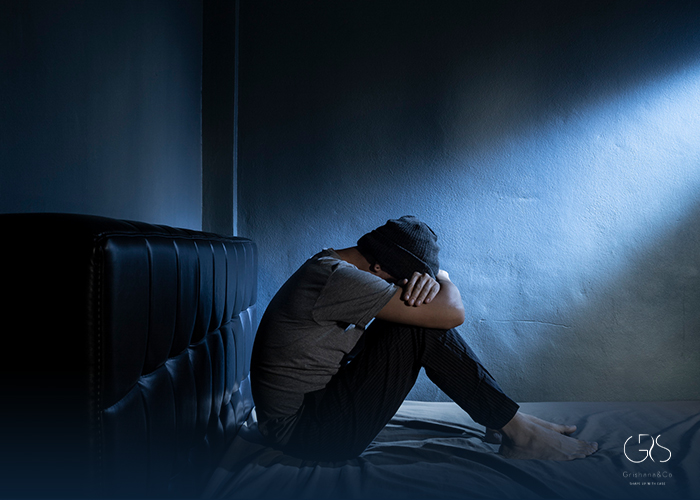



Depression affects millions of people, yet it remains deeply personal for anyone experiencing it. It’s more than sadness or a rough week—it impacts how you think, feel, sleep, and interact with the world. The good news is that treatment for depression truly works, and science gives us more options today than ever before. This guide walks you through those options in a warm, approachable way so you can understand what really helps and why. Many people feel nervous or unsure when seeking help for the first time. You’re not alone in that feeling, and you’re not expected to figure it all out at once. Depression is complex, but recovery is absolutely possible. With the right support and evidence-based care, life can feel brighter and more manageable again.
How Does Treatment for Depression Actually Help?
When professionals talk about treatment for depression, they mean a collection of tools designed to improve your mood, energy, and overall quality of life. Depression affects everything from brain chemistry to sleep and stress levels, which is why treatment usually involves a combination of approaches. Scientists know depression is shaped by genetics, life events, brain chemistry, and even long-term stress. Because of this, the most effective treatment plans look at the whole personyour body, mind, environment, and habits. Everyone’s experience is different, and your recovery journey should feel personal, flexible, and compassionate.
(If you’re interested in reading about types of depression, you may find this article helpful.)
Psychotherapy as a Key Treatment for Depression
Therapy is often the foundation of treatment for depression because it gives you a safe place to explore thoughts, emotions, and patterns that may be weighing you down. Many people discover that therapy helps them understand themselves better and feel more in control of their daily lives.
Cognitive Behavioral Therapy (CBT)
CBT helps you recognize negative thinking patterns and gently challenge them. People with depression often feel overwhelmed by thoughts like “Nothing will ever get better” or “I’m not good enough.” CBT teaches practical skills to replace these patterns with more balanced, realistic ones. Over time, this can change how your brain processes stress and emotions.
Interpersonal Therapy (IPT)
Relationships matter deeply, and when they’re strained, depression often worsens. IPT focuses on improving communication, navigating conflict, and rebuilding supportive connections. Many people find this approach especially comforting during life transitions, grief, or major stress.
Psychodynamic Therapy
This approach helps you understand emotional habits that may have formed earlier in life. By exploring past experiences and unconscious patterns, psychodynamic therapy provides clarity that can open the door to healthier present-day reactions and relationships.
Mindfulness-Based Therapies
Mindfulness-Based Cognitive Therapy (MBCT) teaches skills for staying present, reducing rumination, and calming the mind. If your depression involves spiraling thoughts or repeated episodes, MBCT can offer powerful tools for breaking the cycle.
Medication Options in Treatment for Depression
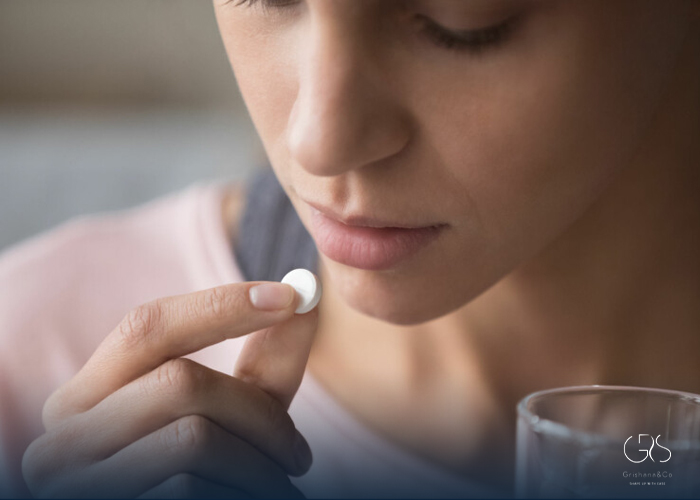
Meditation for depression is an important part of treatment, especially when symptoms feel overwhelming or long-lasting. Rather than changing who you are, meditation helps restore balance in the brain by calming stress responses and supporting the chemicals that influence mood, energy, and motivation.
Selective Serotonin Reuptake Inhibitors (SSRIs)
SSRIs are often the first medication doctors recommend because they’re effective and have fewer side effects than older drugs. They work by increasing serotonin, a neurotransmitter linked to mood and emotional stability.
Serotonin-Norepinephrine Reuptake Inhibitors (SNRIs)
If fatigue, low energy, or physical pain are part of your depression, SNRIs may be especially helpful because they influence both serotonin and norepinephrine.
Atypical Antidepressants
These medications offer different benefits depending on your symptoms. For example, bupropion can increase energy and improve focus, while mirtazapine may help with sleep and appetite.
Tricyclic Antidepressants (TCAs) and MAOIs
These older medications are still used today when newer ones aren’t effective. They require more monitoring but can be life-changing for some individuals.
When to Expect Results
Antidepressants take time usually a few weeks to show their full effect. This delay can be frustrating, but it’s a normal part of the process. Most people try more than one medication before finding the perfect fit, and that’s okay. Your doctor works with you to make adjustments that keep you safe and supported.
Lifestyle Support as Part of Treatment for Depression
While lifestyle changes aren’t a cure on their own, they add powerful support to a full treatment for depression plan. These habits help regulate mood, build resilience, and create structure during recovery.
Exercise
Movement has a profound effect on the brain. Exercise boosts natural mood-lifting chemicals and supports neural growth associated with emotional well-being. Even gentle activities like walking or stretching can make a noticeable difference over time.
(Check out my article on exercise for depression)
Nutrition
Your brain needs fuel to function well. Foods rich in omega-3s, whole grains, lean protein, and colorful vegetables can help stabilize mood and energy. Small, consistent changes often work better than strict diets.
Sleep
Depression and sleep are closely connected. Poor sleep can worsen symptoms, while better sleep can improve them dramatically. Simple changes—like reducing late-night screen time or creating a calming bedtime routine can support healing.
(To learn more about Sleep Duration please refer to this article)

Social Connection
Human beings aren’t designed to heal alone. Whether it’s spending time with family, joining a support group, or reconnecting with hobbies, building social support can make recovery feel more hopeful and less isolating.

Advanced Treatment Options for Severe Depression
If you’ve tried standard treatments without improvement, there are effective advanced options that may offer new hope. They’re not as commonly discussed, but they are backed by research and widely used in mental health care.
Electroconvulsive Therapy (ECT)
ECT is one of the fastest and most powerful treatments for severe depression. Despite outdated stigma, it’s a safe, modern medical procedure performed under anesthesia. Many people experience life-changing improvements when other treatments haven’t helped.
Transcranial Magnetic Stimulation (TMS)
TMS uses magnetic pulses to stimulate parts of the brain involved in mood regulation. It’s noninvasive, doesn’t require anesthesia, and can be an excellent option for people who haven’t responded to medication.
Ketamine and Esketamine
Ketamine-based treatments work differently from traditional antidepressants they can ease symptoms within hours by acting on glutamate pathways. These treatments are offered in specialized clinics and closely monitored for safety.
Vagus Nerve Stimulation (VNS)
VNS involves a small implanted device that stimulates the vagus nerve to help regulate mood. It’s typically used for long-term, treatment-resistant depression.
Why Personalized Treatment for Depression Matters
There’s no one-size-fits-all treatment for depression, and that’s actually a strength. Personalized care makes recovery more effective because it takes your preferences, symptoms, history, and biology into account. Some people respond best to therapy, others to medication, and many to a thoughtful combination of both. Today’s mental health care emphasizes collaboration you and your providers work together to adjust your plan as you grow and heal. With ongoing support, people can and do get better.
Common Myths and Challenges in Treatment for Depression
Many people delay getting help because they think depression is a personal failure or something they should “snap out of.” But depression is a medical condition, not a character flaw. Reaching out for treatment is an act of strength, not weakness. Some people also believe treatment should work instantly. In reality, recovery takes time, adjustment, and patience. Progress often comes in small steps, but those steps are meaningful, and they add up.
When to Seek Professional Support
If you’ve been feeling persistently sad, overwhelmed, disconnected, or unable to enjoy daily life, it’s a good idea to talk to a mental health professional. Early treatment can prevent symptoms from getting worse and make recovery easier. If you or someone you know is experiencing thoughts of self-harm, reach out to emergency services or crisis hotlines immediately. You deserve safety, care, and support.
Conclusion:Why Treatment for Depression Works
Modern science makes one thing very clear: treatment for depression works. With therapy, medication, lifestyle support, and advanced options when needed, most people find their way back to a happier, more balanced life. Recovery doesn’t happen overnight, but it does happen with compassion, guidance, and the right tools. You are not alone, and you are not stuck. With a personalized treatment plan and supportive care, healing is always possible.
Sources
- National Institute of Mental Health, Depression
- American Psychological Association, Psychotherapy
- Harvard Health Publishing, What causes depression?
- World Health Organization, Depressive disorder (depression)