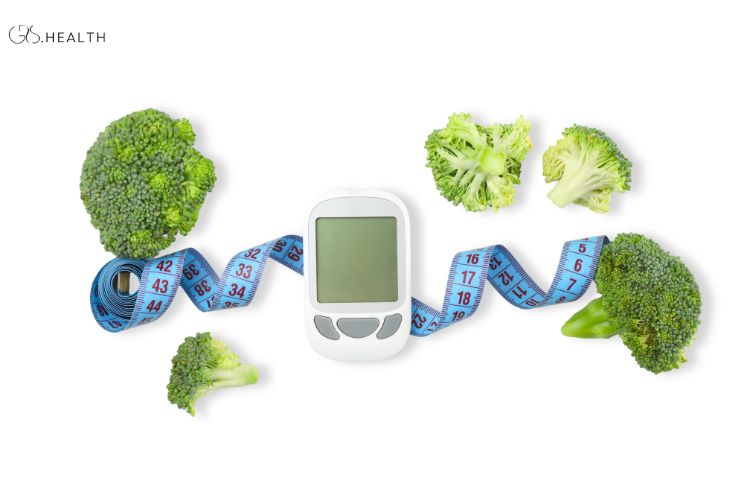




Eating with type 1 diabetes can feel overwhelming at first. Every meal comes with questions about blood sugar, insulin timing, and long-term health. Yet food is not the enemy. According to decades of scientific research, the right dietary approach can support stable glucose levels, improve energy, and protect overall health. A Type 1 diabetes diet is not about restriction or perfection. It is about understanding how food interacts with insulin and learning how to eat in a way that fits your body, lifestyle, and preferences. This article explains what to eat on a Type 1 diabetes diet using clear, science-backed guidance you can actually apply.
Understanding the Type 1 Diabetes Diet
A thoughtful dietary approach helps people with type 1 diabetes balance nutrition with insulin management.
What defines a Type 1 diabetes diet
Type 1 diabetes is an autoimmune condition in which the pancreas produces little or no insulin. Because insulin must be replaced externally, food choices directly influence insulin dosing and blood glucose responses. The Type 1 diabetes diet focuses on nutrient quality, carbohydrate awareness, and flexibility rather than rigid food rules.
Main goals of nutrition in type 1 diabetes
The primary goals are maintaining glucose levels within target range, minimizing extreme highs and lows, supporting physical and mental well-being, and reducing long-term complications. Large clinical studies show that better glycemic control lowers the risk of cardiovascular disease, nerve damage, kidney disease, and vision problems.
Carbohydrates and Blood Sugar Control
Carbohydrates play the biggest role in post-meal blood glucose changes.
Choosing smarter carbohydrate sources
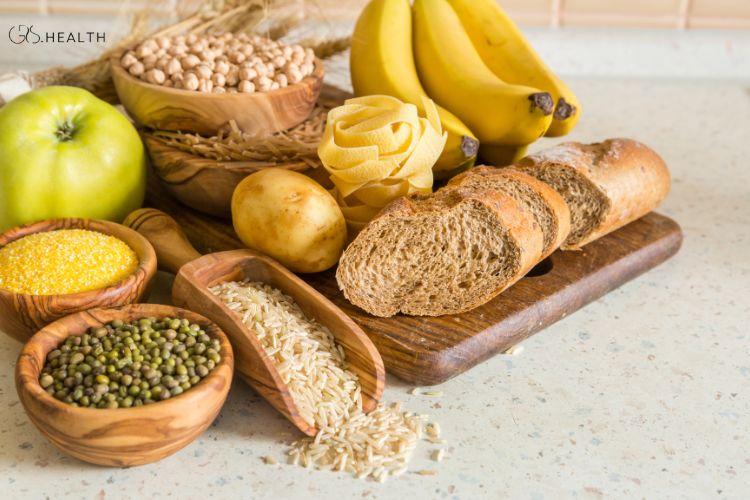
Not all carbohydrates affect the body the same way. Research shows that whole grains, legumes, fruits, and vegetables lead to slower and more predictable glucose rises compared with refined carbohydrates. Diets emphasizing low–glycemic index foods are associated with lower HbA1c and improved glucose stability.
How much carbohydrate is appropriate
There is no universal carbohydrate target for everyone. Studies support individualized carbohydrate intake based on age, activity level, insulin regimen, and personal preference. The success of a Type 1 diabetes diet depends more on consistency and insulin matching than on a specific carb number.
Protein in a Type 1 Diabetes Diet
Protein supports muscle health, satiety, and metabolic stability.
Best protein choices for daily meals
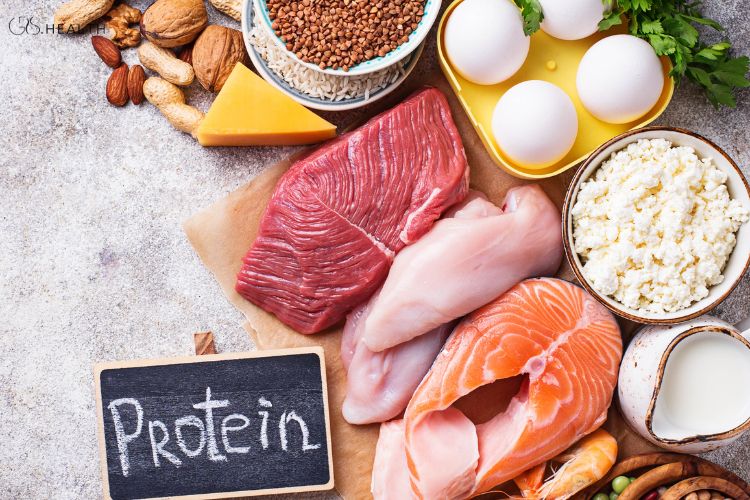
Lean meats, fish, eggs, dairy, tofu, legumes, and Greek yogurt are high-quality protein sources. Scientific evidence shows that including protein with carbohydrates can help reduce rapid post-meal glucose spikes by slowing digestion.
Protein and delayed glucose responses
Protein can cause a delayed rise in blood glucose several hours after eating, especially when consumed in large amounts. Research suggests that some individuals benefit from adjusting insulin dosing for high-protein meals, particularly when carbohydrate content is low.
Dietary Fats and Glucose Patterns
Fat affects digestion speed and long-term heart health.
Prioritizing healthy fats
Unsaturated fats such as olive oil, nuts, seeds, avocado, and fatty fish are strongly associated with improved cardiovascular markers. Since people with diabetes face a higher risk of heart disease, fat quality is an essential part of a Type 1 diabetes diet.
Fat’s impact on post-meal blood sugar
High-fat meals slow gastric emptying and may lead to delayed hyperglycemia. Continuous glucose monitoring studies show that insulin timing often needs adjustment after meals rich in fat to prevent late blood sugar rises.
Fiber and Gut Health
Fiber plays a key role in glucose regulation and digestive health.
How fiber improves glucose control
Soluble fiber slows carbohydrate absorption and reduces glucose spikes after meals. Meta-analyses show that higher fiber intake is associated with lower HbA1c and improved insulin sensitivity, even in individuals with type 1 diabetes.
Fiber-rich foods to eat regularly
Vegetables, legumes, whole grains, seeds, nuts, and berries provide both soluble and insoluble fiber. Including fiber at most meals supports satiety, gut health, and more stable blood sugar trends.
Meal Timing and Daily Structure
When you eat can be just as important as what you eat.
Structured meals versus flexible eating
Some people prefer consistent meal timing, while others use flexible eating with carb counting and insulin adjustments. Research shows both approaches can be effective when paired with frequent glucose monitoring and appropriate insulin dosing.
Nutrition around physical activity
Exercise increases insulin sensitivity and can lower blood glucose during and after activity. A well-planned Type 1 diabetes diet includes strategic carbohydrate intake around workouts to reduce the risk of hypoglycemia, especially during endurance or high-intensity exercise.
Foods That Require Extra Planning
No food is completely off-limits, but some need more attention.
Ultra-processed and sugary foods
Highly processed snacks and sugar-sweetened beverages cause rapid glucose spikes and provide little nutritional benefit. Studies link frequent intake of ultra-processed foods with increased glucose variability and poorer overall metabolic outcomes.
Alcohol and blood sugar safety
Alcohol can suppress liver glucose production and increase the risk of delayed hypoglycemia. Clinical guidelines recommend consuming alcohol with food, monitoring blood sugar closely, and avoiding excessive intake.
Building a Sustainable Eating Pattern
Long-term success depends on flexibility and enjoyment.
Personalizing your eating approach
Cultural foods, social life, work schedules, and mental health all matter. Research shows that personalized dietary patterns are more sustainable and effective than restrictive plans. The best Type 1 diabetes diet is one you can maintain without stress.
Mental health and food relationships
Disordered eating behaviors are more common in people with type 1 diabetes. Studies emphasize that supportive, non-restrictive nutrition education improves both psychological well-being and glycemic outcomes.
(We recommend reading this article about type 1 diabetes prevention.)
Practical Daily Food Choices
Applying science in real life makes nutrition manageable.
Creating balanced meals
A balanced meal usually includes a source of carbohydrates, lean protein, healthy fats, and fiber-rich vegetables. Clinical research consistently shows that this combination supports more stable post-meal blood glucose levels.
Carb counting and food labels
Accurate carbohydrate counting improves insulin dosing precision. Studies show that people trained in carb counting tend to have lower HbA1c levels and fewer hypoglycemic episodes.
Common Nutrition Myths
Misinformation can make eating more stressful than necessary.
Myth: Sugar must be completely avoided
Scientific evidence shows that sugar can fit into a Type 1 diabetes diet when properly counted and matched with insulin. Total carbohydrate amount and timing matter more than the presence of sugar alone.
Myth: One diet works for everyone
There is no single perfect eating pattern for all people with type 1 diabetes. Multiple dietary approaches are supported by research, as long as nutritional adequacy and glucose management are maintained.
Conclusion
A Type 1 diabetes diet is not about strict rules or fear of food. Science shows that balanced nutrition, carbohydrate awareness, quality fats, adequate protein, and fiber-rich foods can support stable blood sugar and long-term health. Flexibility, personalization, and a healthy relationship with food are just as important as nutrient choices. With knowledge, practice, and self-compassion, eating can become a source of confidence and nourishment rather than stress.
Sources
- American Diabetes Association, Diabetes care
- The Lancet, Exercise management in type 1 diabetes: a consensus statement
- PubMed Central (PMC), The Management of Type 1 Diabetes