
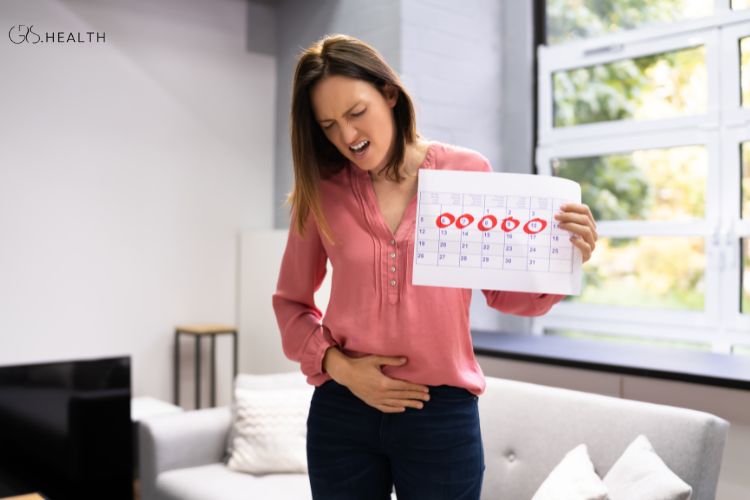
Many women notice their cramps evolve over the years.sometimes becoming milder, sometimes far more intense. This leads to a common question: does period pain worsen as you age, and if so, why? The answer depends on your body’s hormonal shifts, reproductive history, and any underlying conditions that may develop with time. Menstrual cramps, known medically as dysmenorrhea, occur when the uterus contracts to shed its lining. These contractions are driven by hormone-like substances called prostaglandins. The more prostaglandins your body releases, the stronger the contractions and the more pain you feel. So, when women ask does period pain worsen, the key lies in understanding how hormones and uterine health change through the decades.
Why Does Period Pain Worsen in Some Women and Improve in Others?
The reason period pain behaves differently for each person has to do with reproductive events and hormonal balance. In adolescence, the uterus is smaller and prostaglandin levels are typically higher, leading to strong cramps. After childbirth, the cervix widens permanently, and many women report their period pain lessens. But for others, new conditions—like fibroids or endometriosis,may emerge later, and these can make cramps more severe again. Hormone fluctuations during the late 30s and 40s, especially as estrogen becomes more unpredictable, can also affect uterine contractions and inflammation. Therefore, when asking does period pain worsen, you’re really asking how your hormones, uterus, and lifestyle are interacting at that stage of life.
(I recommend reading about the facts on periods.)
Hormones: The Silent Drivers Behind Whether Period Pain Worsens
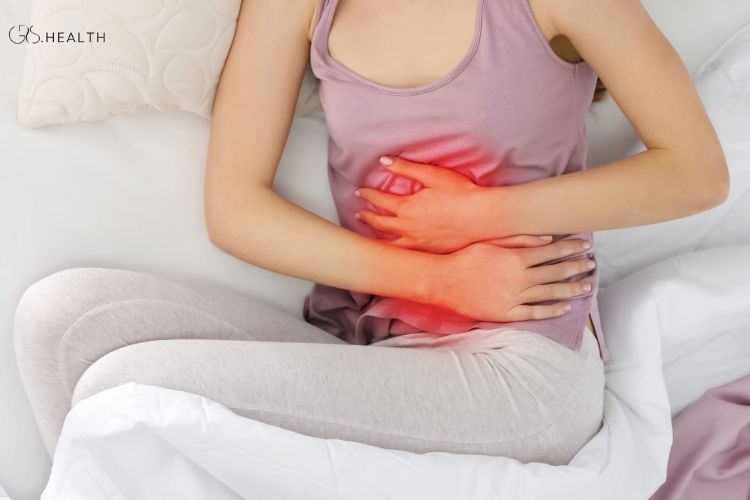
Hormones are the biggest determinant in whether period pain worsens or eases. Estrogen and progesterone regulate the thickness of the uterine lining and the production of prostaglandins. In your teens and early 20s, cycles are often anovulatory (without egg release) or irregular, which can heighten cramp intensity. After pregnancies or as hormonal rhythms stabilize, prostaglandin levels often drop slightly, reducing pain. However, as perimenopause begins (often in the late 30s or early 40s), progesterone levels decline first, causing estrogen dominance. This imbalance can lead to heavier bleeding, larger clots, and more intense cramps. So, when women wonder does period pain worsen with age, fluctuating estrogen and progesterone are usually at the core of the change.
Underlying Conditions That Make Period Pain Worsen Over Time
Some gynecological conditions that develop with age can significantly affect how does period pain worsen in adulthood.
Endometriosis
Endometriosis occurs when tissue similar to the uterine lining grows outside the uterus, often on the ovaries, fallopian tubes, or pelvic lining. These misplaced tissues still respond to monthly hormonal cycles, leading to inflammation and severe pain. The longer this condition goes untreated, the more chronic and intense cramps can become.
Adenomyosis
Adenomyosis is when uterine lining cells grow into the muscular wall of the uterus. This thickens the wall and amplifies contractions, causing severe cramps and heavy bleeding. It is most common in women aged 35–50.
Uterine Fibroids
Fibroids are noncancerous growths that develop within the uterine wall. They can distort the uterus and intensify pain during menstruation. They tend to grow under estrogen influence, which explains why does period pain worsen for many women in their 30s and early 40s when estrogen is still active.
Pelvic Inflammatory Disease (PID)
Repeated infections or untreated sexually transmitted diseases can cause inflammation and scarring in the pelvic region. This may make cramps sharper or more constant.
Each of these conditions can make you feel that your pain threshold is dropping with age, when in reality, your uterus is simply facing more physiological stress.
Does Period Pain Worsen After Childbirth or Pregnancy?
Many people believe having a baby permanently reduces menstrual pain—but that’s not always true. For some, childbirth stretches and slightly reshapes the uterus and cervix, which can reduce contraction pressure, leading to lighter cramps. For others, hormonal shifts post-pregnancy, C-section scar tissue, or developing conditions like endometriosis may make period pain worse. The hormonal rollercoaster after giving birth also affects how prostaglandins behave in the body. So when analyzing does period pain worsen post-pregnancy, it depends on how your body heals and adjusts hormonally afterward.
Does Period Pain Worsen as You Approach Perimenopause?
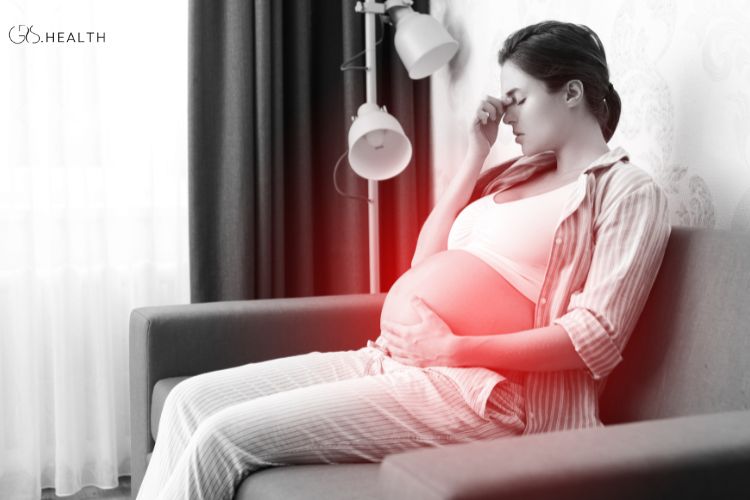
During the years before menopause, hormone production becomes unpredictable. Cycles can shorten or lengthen, and bleeding can become heavier or lighter. For some women, high estrogen peaks trigger more uterine growth and heavier shedding—leading to stronger cramps. For others, lower hormone output means thinner uterine linings and milder cramps. This is why answers to does period pain worsen vary widely. Perimenopause can feel like a second puberty: hot flashes, mood swings, and unpredictable pain levels are all common. If cramps suddenly become unbearable in your 40s, it’s worth consulting a gynecologist to rule out fibroids or adenomyosis.
Lifestyle Factors That Influence Whether Period Pain Worsens
Biology isn’t the only reason period pain may worsen. Lifestyle plays a surprisingly strong role in how your body processes hormonal changes.
Stress: Chronic stress elevates cortisol, which can disrupt estrogen-progesterone balance and amplify inflammation.(If you’re interested, read about cortisol balance)
Sleep deprivation: Poor sleep increases prostaglandin sensitivity, making cramps feel more painful.
Diet: Diets high in sugar, caffeine, and processed fats can increase inflammation, while omega-3-rich foods (like salmon or flaxseed) can calm prostaglandin activity.
Lack of exercise: Regular movement improves circulation and reduces the uterine muscle tension that contributes to cramping.
Women often report that during sedentary or stressful phases of life, period discomfort becomes more intense—suggesting that lifestyle adjustments can make a noticeable difference when wondering does period pain worsen with time.
Medical Treatments and Natural Strategies for Pain Relief
When period pain becomes more than a monthly nuisance, combining lifestyle changes with medical options can help.
Heat Therapy
Using a heating pad or warm water bottle on the abdomen helps muscles relax and reduces the prostaglandin effect. Studies show that consistent heat therapy can be as effective as NSAIDs for mild pain management.
Non-Steroidal Anti-Inflammatory Drugs (NSAIDs)
Ibuprofen, naproxen, and other NSAIDs block prostaglandin production, reducing both inflammation and muscle contractions. They are among the most effective options when does period pain worsen due to hormonal imbalance.
Hormonal Contraceptives
Birth control pills, patches, or IUDs that release hormones can regulate the menstrual cycle and minimize prostaglandin spikes. This often results in lighter bleeding and less pain.
Dietary Supplements
Magnesium, vitamin E, and omega-3 fatty acids are known to modulate prostaglandin levels and improve uterine blood flow. Consistent intake may help regulate cycles and prevent period pain from worsening.
Alternative Therapies
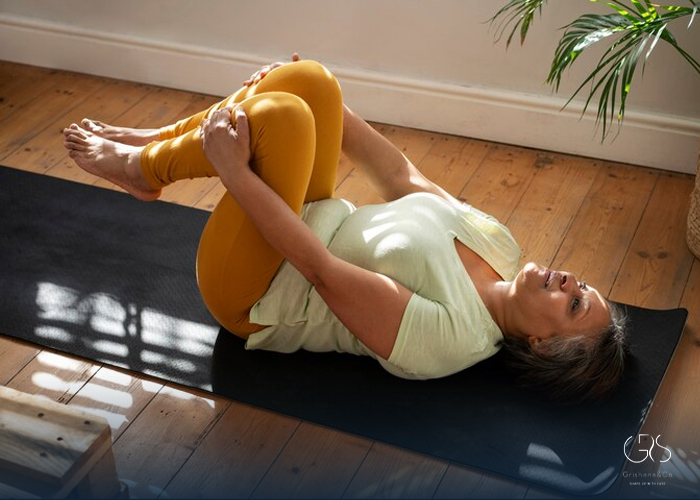
Acupuncture, yoga, and meditation can all influence pain perception. Some research shows that regular yoga practice reduces cramp duration and intensity.
When to See a Doctor
If cramps suddenly intensify after years of mild discomfort, or pain radiates to the back and legs, it’s time for medical evaluation. Imaging such as ultrasound or MRI can identify fibroids or endometrial tissue growths contributing to worsening pain.
Does Period Pain Worsen After Stopping Birth Control?
Many women notice that after discontinuing hormonal contraception, cramps return stronger than they were before. This happens because hormonal contraceptives suppress ovulation and prostaglandin activity. Once stopped, the body resumes natural hormone cycling—sometimes with higher prostaglandin output until levels rebalance. Thus, for a few months post-discontinuation, women may feel that period pain worsens, but this typically settles after several cycles.
Psychological Impact of Worsening Period Pain
It’s important to acknowledge that pain is not purely physical—it’s also emotional and psychological. Chronic discomfort can affect mood, concentration, and daily productivity. When does period pain worsen to the point that it disrupts life, the stress it creates can further amplify pain perception. Practicing stress-management techniques such as mindfulness, deep breathing, or journaling helps interrupt this cycle. Mental health care and physical symptom management should always go hand in hand.
How to Track Changes When Period Pain Worsens
Keeping a menstrual diary or using period-tracking apps can help you identify whether your cramps are getting worse over time. Note cycle length, flow intensity, pain severity (on a 1–10 scale), and accompanying symptoms such as nausea or headaches. This information helps your doctor identify patterns and potential underlying issues. Understanding your body’s trends is key to managing whether and why does period pain worsen as you age.
Preventive Steps to Keep Period Pain From Worsening
Long-term prevention revolves around reducing inflammation, maintaining hormonal balance, and protecting uterine health.
Eat anti-inflammatory foods (fruits, vegetables, fish, nuts).
Limit alcohol and caffeine before menstruation.
Maintain a healthy body weight to regulate estrogen metabolism.
Manage stress with yoga, meditation, or breathing exercises.
Get regular checkups, especially if cycles change dramatically.
Simple habits like staying hydrated and sleeping well may not seem powerful, but over time, they reduce the body’s inflammatory response, keeping menstrual discomfort manageable.
(I recommend that you read about how to make your period lighter)
Does Period Pain Worsen Forever, or Can It Improve?
The good news is that worsening cramps are not permanent for everyone. Hormones stabilize after perimenopause, and once menstruation ceases entirely, cramps usually stop. Many women in their 40s who experience worsening symptoms find that treatment—such as hormonal balancing, dietary changes, or removal of fibroids—can restore comfort. So while does period pain worsen at certain times of life, it does not have to define every decade.
Conclusion – Listening to Your Body When Period Pain Worsens
Understanding why does period pain worsen helps you take control instead of just enduring discomfort. Hormonal fluctuations, uterine conditions, and lifestyle stressors all play roles, but proactive management—through medical evaluation, natural remedies, and healthy daily routines—can significantly reduce suffering. Tracking your symptoms, eating anti-inflammatory foods, and using proven methods like heat and NSAIDs give you both short- and long-term relief. Remember, your body is communicating when your period pain changes. Listening early and acting wisely ensures that age doesn’t have to equal more pain.
Sources
- Johns Hopkins Medicine, Endometriosis and Adenomyosis
- Mayo Clinic., Uterine Fibroids
- Cleveland Clinic, Dysmenorrhea (Menstrual Cramps)