




Tension headaches are among the most common neurological complaints worldwide. If you have ever felt a tight band wrapping around your head, pressure behind your eyes, or a dull ache creeping in after a long workday, you are not alone. For many people, tension headaches are not dramatic but persistent, quietly draining focus, productivity, and quality of life. While medications can help, science increasingly supports self-care approaches as an effective and sustainable tension headache treatment. These methods target the real drivers of pain, such as muscle tension, stress, posture, and sleep disruption. In this article, we explore four scientifically supported self-care remedies that can reduce pain intensity, shorten headache duration, and lower the frequency of future episodes. Each strategy is practical, accessible, and grounded in research, making it suitable for people seeking long-term relief rather than quick fixes.
Understanding Tension Headaches
Tension headaches are classified as primary headaches, meaning they are not caused by another medical condition. They are often linked to musculoskeletal tension and stress-related changes in the nervous system.
What causes muscle-related head pain
Research suggests that increased muscle activity in the neck, shoulders, scalp, and jaw plays a major role in tension headaches. Electromyography studies show higher muscle activation in people with frequent headaches, particularly during stress or prolonged sitting. This sustained contraction reduces blood flow, increases local inflammation, and sends pain signals to the brain.
Why stress amplifies tension headaches
Stress does not just exist in the mind; it directly affects the body. Psychological stress increases cortisol and sympathetic nervous system activity, which raises muscle tone and pain sensitivity. Studies show that individuals under chronic stress experience more frequent and severe tension headaches, making stress management a core component of any effective tension headache treatment.
(Read our article about stress relief.)

Remedy 1: Progressive Muscle Relaxation
One of the most studied non-drug approaches for tension headache treatment is progressive muscle relaxation (PMR). This technique trains you to recognize and release muscle tension systematically.
How progressive muscle relaxation works
PMR involves tensing and then relaxing specific muscle groups, usually starting from the feet and moving upward. This contrast helps the nervous system learn the difference between tension and relaxation. Over time, the body becomes more efficient at releasing unnecessary muscle contraction, particularly in the neck and shoulders.
Scientific evidence for muscle relaxation
Clinical trials published in journals such as Headache and The Journal of Behavioral Medicine show that PMR significantly reduces headache frequency and intensity. One randomized controlled trial found that participants practicing PMR for eight weeks experienced fewer headache days and relied less on pain medication. These effects were comparable to some pharmacological options, highlighting PMR as a powerful tension headache treatment.
How to practice it daily
You can practice PMR once or twice a day, especially during high-stress periods. Sessions typically last 10–20 minutes and can be done at home or even at work. Consistency matters more than duration, and benefits often appear within a few weeks.
Remedy 2: Posture Correction and Ergonomics
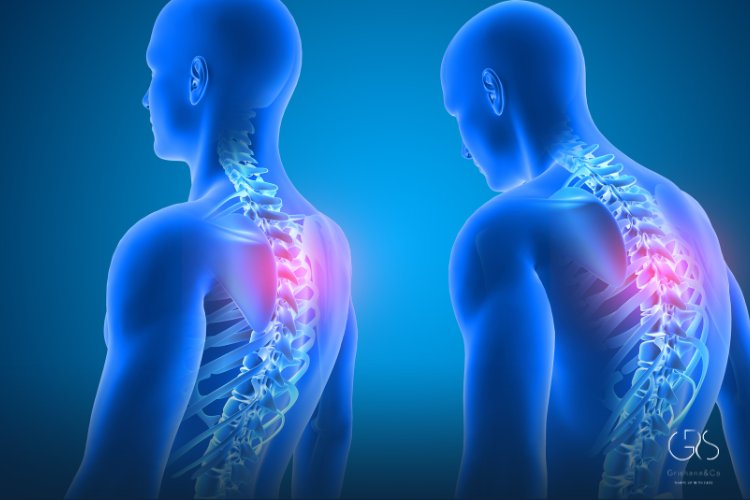
Poor posture is a silent but powerful contributor to tension headaches, especially in people who spend long hours at a desk or using digital devices.
How posture affects head and neck muscles
Forward head posture increases the load on cervical spine muscles. For every few centimeters the head moves forward, the neck muscles must support significantly more weight. This constant strain can trigger pain signals that radiate to the head, contributing to chronic headaches.
Ergonomic changes supported by research
Studies in occupational health show that ergonomic interventions reduce musculoskeletal pain and headache frequency. Adjusting screen height, chair support, and keyboard position decreases muscle activation in the neck and shoulders. These changes form a practical and preventive tension headache treatment strategy.
Simple posture habits that reduce pain
Small habits make a big difference. Keeping screens at eye level, resting feet flat on the floor, and taking posture breaks every 30–60 minutes can reduce cumulative muscle tension. Over time, these adjustments lower the risk of recurring headaches.
Remedy 3: Physical Activity and Targeted Exercise
Movement is medicine, especially when it comes to tension headache treatment. Regular physical activity improves circulation, reduces stress hormones, and strengthens postural muscles.
Aerobic exercise and headache frequency
Multiple studies highlight the benefits of aerobic exercise for people with tension headaches. Engaging in moderate activities such as brisk walking or cycling has been shown to reduce headache frequency by improving circulation and regulating pain pathways. One of the key benefits of aerobic exercise is increased endorphin release, which naturally lowers pain perception. Supporting this evidence, a controlled trial published in Cephalalgia reported that individuals who participated in aerobic exercise three times per week experienced significantly fewer tension headaches than sedentary participants.
Neck and shoulder strengthening exercises
Targeted exercises for the neck and upper back help stabilize posture and reduce muscle overload. Strengthening the deep neck flexors and shoulder stabilizers decreases strain on superficial muscles often involved in headache pain.
Stretching routines backed by evidence
Stretching tight muscles improves range of motion and reduces trigger point sensitivity. Research indicates that stretching programs focused on the trapezius and cervical muscles can significantly reduce headache intensity. When combined with aerobic exercise, stretching enhances overall tension headache treatment outcomes.
Remedy 4: Stress Reduction and Sleep Optimization
Stress and poor sleep form a vicious cycle that fuels tension headaches. Addressing both is essential for lasting relief.
Mindfulness and cognitive stress reduction
Mindfulness-based stress reduction (MBSR) has strong evidence for chronic pain conditions, including headaches. Studies show that mindfulness practices reduce perceived stress, muscle tension, and headache-related disability. By calming the nervous system, mindfulness becomes a central pillar of tension headache treatment.
The role of sleep quality in headaches
Sleep deprivation increases pain sensitivity and disrupts muscle recovery. Research consistently links poor sleep quality to higher headache frequency. Establishing regular sleep schedules and improving sleep hygiene can significantly reduce headache burden.
Evidence-based sleep hygiene strategies
Going to bed at the same time each night, limiting screen exposure before sleep, and maintaining a cool, dark bedroom environment improve sleep quality. These changes are simple but powerful tools for reducing tension headaches over time.
Integrating Self-Care into Daily Life
Self-care works best when it becomes part of your routine rather than a temporary fix.
Combining remedies for better results
Studies suggest that combining relaxation techniques, exercise, posture correction, and stress management produces better outcomes than using any single method alone. A comprehensive tension headache treatment plan addresses both physical and psychological contributors to pain.
When self-care is enough
For many people with episodic or mild chronic tension headaches, consistent self-care can significantly reduce or even eliminate symptoms. Monitoring headache patterns helps you identify triggers and track progress.
When to seek professional support
If headaches worsen, become daily, or are accompanied by neurological symptoms, professional evaluation is essential. Self-care complements but does not replace medical assessment when red flags are present.
Preventing Future Tension Headaches
Prevention is the most sustainable form of tension headache treatment.
Identifying personal headache triggers
Common triggers include prolonged screen time, dehydration, skipped meals, and emotional stress. Keeping a headache diary can reveal patterns and guide preventive strategies.
Building long-term resilience
Regular exercise, stress management, and ergonomic awareness strengthen the body’s ability to handle daily demands without triggering pain. Over time, this resilience reduces headache frequency and severity.
Conclusion
Tension headaches may be common, but they are not something you have to accept as a normal part of life. Science shows that self-care strategies targeting muscle tension, posture, movement, stress, and sleep can be highly effective forms of tension headache treatment. Progressive muscle relaxation teaches the body to release unnecessary tension, ergonomic changes reduce daily strain, physical activity restores balance and circulation, and stress and sleep management calm the nervous system. When practiced consistently, these approaches do more than relieve pain; they address the root causes of tension headaches and help prevent their return. By investing a little time each day in evidence-based self-care, you can reclaim comfort, clarity, and control over your well-being.
Sources
- Springer Nature, Tension-Type Headache Management: A Systematic Review and Network Meta-analysis of Complementary and Alternative Medicine
- MDPI, Effect of Exercise on Chronic Tension-Type Headache and Chronic Migraine: A Systematic Review