



Seasonal allergies can turn beautiful spring days into weeks of sneezing, itchy eyes, and constant congestion. If you’ve ever searched for natural remedies, you’ve probably heard the claim that honey especially local honey can ease allergy symptoms. The idea is appealing: a sweet, natural food that might calm your immune system without medication. But does honey allergy relief actually hold up when we look at the science? In this article, we’ll break down what seasonal allergies are, why honey is often recommended, what research really shows, and whether adding honey to your routine is worth it.
Understanding Seasonal Allergies
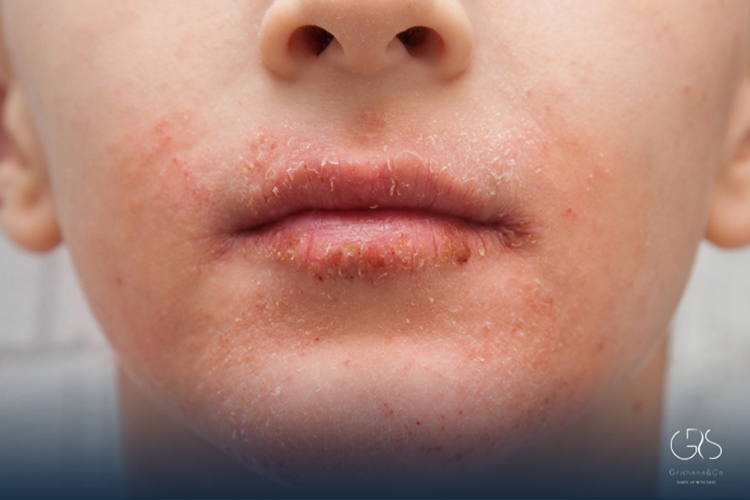
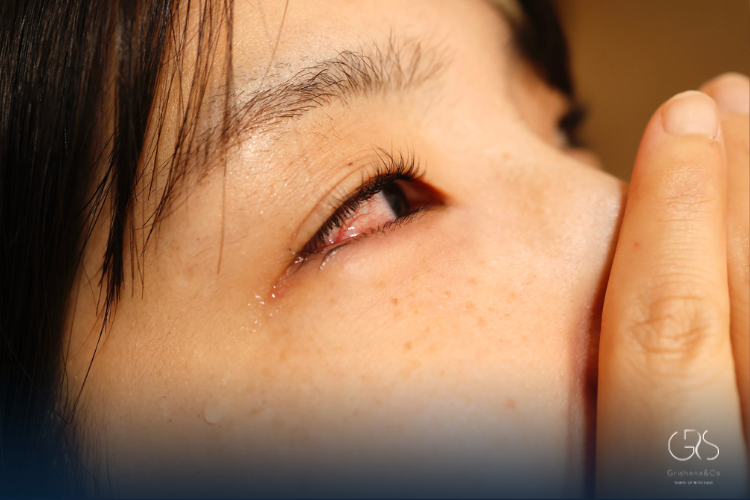
Seasonal allergies symptoms ,also known as allergic rhinitis or hay fever, occur when the immune system overreacts to airborne allergens such as pollen from trees, grasses, and weeds. Although these substances are harmless, the body mistakenly identifies them as threats and releases histamine and other inflammatory chemicals. This immune response leads to common symptoms including sneezing, nasal congestion, a runny nose, itchy throat, and watery or irritated eyes. For many people, these symptoms return each year during certain seasons, affecting sleep, daily productivity, and overall quality of life.

What Causes Seasonal Allergy Symptoms?
The main trigger behind seasonal allergies is pollen. Different plants release pollen at different times of the year, which is why some people struggle in spring while others feel worse in late summer or fall. When pollen enters the nose or eyes, the immune system produces antibodies called IgE. These antibodies trigger mast cells to release histamine, leading to inflammation and irritation. This process is the core reason behind seasonal allergy symptoms.
Why Natural Remedies Attract Attention
Many people look for natural solutions because conventional allergy medications can cause side effects like drowsiness or dry mouth. Others prefer lifestyle-based approaches that feel more holistic. Honey has gained attention because it’s natural, widely available, and already associated with health benefits such as antioxidant and antimicrobial effects. This has fueled interest in honey allergy relief as an alternative or complementary option.
Why Honey Is Thought to Help Allergies
The idea that honey can help allergies is often explained through a process similar to immunotherapy. Allergy shots work by gradually exposing the immune system to small amounts of allergens, helping the body become less reactive over time. Supporters of honey allergy relief claim that eating honey containing trace amounts of pollen may train the immune system to tolerate pollen better.

The Local Honey Theory
One of the most popular beliefs is that local honey is especially effective. The logic is that local honey contains pollen from plants in your area, so consuming it regularly could help your body adapt to those specific allergens. This theory sounds reasonable, but it’s important to ask whether the type and amount of pollen in honey are enough to influence the immune system in a meaningful way.
Honey’s Nutritional and Bioactive Compounds
Honey isn’t just sugar. It contains small amounts of vitamins, minerals, amino acids, enzymes, and polyphenols. These compounds have antioxidant and anti-inflammatory properties, which could theoretically support immune health. Some researchers have suggested that these properties might indirectly reduce inflammation associated with allergic reactions, contributing to the idea of honey allergy relief.
What Science Says About Honey and Allergies
When it comes to scientific evidence, the picture is more nuanced than popular claims suggest. Several studies have examined whether honey can actually reduce allergy symptoms, and the results are mixed.
Clinical Studies on Honey Allergy Relief
One often-cited randomized controlled trial published in the Annals of Saudi Medicine investigated the effects of honey consumption on allergic rhinitis. Participants who consumed honey daily alongside standard allergy medication reported greater improvement in symptoms compared to those who took medication alone. However, honey alone was not tested as a standalone treatment, and the sample size was relatively small. This suggests honey may offer supportive benefits but not a cure.
Studies Showing No Significant Effect
Other studies have found no significant benefit. A trial published in the Journal of Allergy and Clinical Immunology compared local honey, commercially processed honey, and a placebo. The researchers found no difference in allergy symptoms between the groups. One explanation is that the pollen responsible for allergies is airborne and wind-pollinated, while most pollen found in honey comes from insect-pollinated plants, which are less likely to trigger allergies.
How Strong Is the Evidence?
Overall, scientific evidence does not strongly support honey allergy relief as a reliable treatment for seasonal allergies. Some individuals may experience subjective improvement, but large-scale, high-quality studies have not confirmed consistent benefits. This doesn’t mean honey is useless, but it does mean expectations should be realistic.
How Honey Might Indirectly Support Allergy Management
Even if honey doesn’t directly desensitize the immune system to pollen, it may still play a supportive role in managing allergy symptoms.
Anti-Inflammatory and Antioxidant Effects
Chronic inflammation plays a role in allergy symptoms. Honey contains flavonoids and phenolic acids that have anti-inflammatory properties. By reducing overall inflammation in the body, honey could theoretically help ease some discomfort associated with allergies, even if it doesn’t target the allergic response itself.
Soothing Effects on the Throat and Cough
Seasonal allergies often come with throat irritation and coughing due to postnasal drip. Honey is well known for its soothing effect on the throat and has been shown to reduce cough frequency, especially at night. While this doesn’t address the root cause of allergies, it can improve comfort and quality of life.
Who Might Benefit From Honey Allergy Relief?
Responses to honey vary widely between individuals. Some people swear by it, while others notice no difference at all.
Individual Immune Responses Matter
The immune system is highly individual. Genetics, gut health, environmental exposure, and overall diet all influence how the body reacts to allergens. For some people, incorporating honey may coincide with symptom improvement, even if honey isn’t the primary cause.
When Honey Is Unlikely to Help
If your allergies are severe or you have asthma triggered by pollen, relying on honey alone is unlikely to provide adequate relief. In these cases, evidence-based treatments such as antihistamines, nasal corticosteroids, or allergen immunotherapy are more reliable options.
How to Use Honey Safely for Allergies
If you’re curious about trying honey allergy relief, it’s important to do so safely and realistically.
How Much Honey Is Typically Used?
Studies that observed potential benefits often used about one tablespoon of honey daily for several weeks. There’s no established medical dosage for allergy relief, so moderation is key. Honey is high in sugar and calories, so excessive consumption isn’t advisable.
Safety Considerations and Allergic Reactions
Although rare, some people can have allergic reactions to honey itself, especially those with severe pollen allergies. Symptoms can include itching in the mouth, swelling, or gastrointestinal discomfort. Honey should never be given to infants under one year of age due to the risk of botulism.
Honey vs Evidence-Based Allergy Treatments
It’s helpful to compare honey with treatments that have strong scientific backing.
Antihistamines and Nasal Sprays
Over-the-counter antihistamines block histamine receptors and are proven to reduce sneezing, itching, and runny nose. Intranasal corticosteroids reduce inflammation in the nasal passages and are considered one of the most effective treatments for allergic rhinitis.
Allergen Immunotherapy
Allergy shots or sublingual tablets expose the immune system to controlled amounts of allergens over time. This approach directly targets the underlying immune response and has strong evidence for long-term symptom reduction. Compared to these methods, honey allergy relief is far less predictable.
Can Honey Be Part of a Holistic Allergy Plan?
Rather than viewing honey as a cure, it may be more realistic to see it as one small part of a broader allergy management strategy.
Lifestyle Strategies That Actually Help
Reducing pollen exposure by keeping windows closed, using air purifiers, showering after outdoor activities, and monitoring pollen forecasts can significantly reduce symptoms. A balanced diet rich in fruits, vegetables, and omega-3 fatty acids may also support immune health.
Where Honey Fits In
If you enjoy honey and tolerate it well, using it as a natural sweetener may offer minor comfort benefits. When combined with proven treatments and healthy habits, honey allergy relief can be a low-risk addition, as long as expectations remain grounded in science.
Common Myths About Honey and Allergies
There are several misconceptions that continue to circulate online.
Myth: Local Honey Works Like Allergy Shots
Unlike medical immunotherapy, honey does not deliver controlled or standardized doses of allergens. The pollen content in honey is inconsistent and often unrelated to airborne allergens responsible for symptoms.
Myth: More Honey Means Better Results
Consuming large amounts of honey will not speed up immune tolerance and may lead to excess sugar intake. More is not better when it comes to honey allergy relief.
What Experts Generally Agree On
Most allergists agree that honey is not a substitute for medical treatment. While it’s nutritious and generally safe for adults, it should not replace therapies with proven effectiveness. That said, experts also acknowledge that if a patient feels some benefit and experiences no harm, moderate honey consumption is acceptable.
What the Research Community Recommends
Researchers consistently call for larger, well-designed clinical trials to better understand honey’s potential role. Until stronger evidence emerges, honey allergy relief remains an optional complementary approach rather than a recommended treatment.
Conclusion
So, does eating honey help with seasonal allergy symptoms? Based on current scientific evidence, honey allergy relief is not a reliable or proven treatment for seasonal allergies. While honey has anti-inflammatory properties and may soothe certain symptoms like throat irritation, it does not consistently reduce allergic rhinitis symptoms in controlled studies. Some people may feel better when they consume honey, but this effect is likely individual and modest. If you enjoy honey, using it in moderation as part of a balanced diet is generally safe for adults. However, for meaningful and lasting allergy relief, evidence-based treatments and lifestyle strategies remain the most effective options.
Sources
- PubMed Central (PMC), Ingestion of honey improves the symptoms of allergic rhinitis: evidence from a randomized placebo-controlled trial in the East coast of Peninsular Malaysia
- PubMed Central (PMC), Effect of honey, dextromethorphan, and no treatment on nocturnal cough and sleep quality for coughing children and their parents