



Enjoying a glass of wine is often associated with relaxation, social connection, and even potential health benefits. Yet for some people, wine comes with unpleasant symptoms like headaches, flushing, breathing problems, or digestive upset. If this sounds familiar, you may have wondered whether sulfites are to blame. The topic of sulfite allergy wine reactions has gained increasing attention, but confusion and misinformation remain widespread. This article explores what science actually says about sulfite sensitivity, how to recognize symptoms, and what you can do if wine makes you feel unwell.
What Are Sulfites and Why Are They in Wine?
Sulfites are sulfur-based compounds that occur naturally during fermentation and are also commonly added to foods and beverages as preservatives. In winemaking, sulfites help prevent oxidation and bacterial growth, preserving flavor, color, and shelf life. Without them, many wines would spoil quickly or develop undesirable tastes. Because sulfites play such a central role, nearly all commercial wines contain them in varying amounts.

Natural vs Added Sulfites in Wine
All wines contain naturally occurring sulfites as a byproduct of yeast fermentation. However, winemakers often add extra sulfites to stabilize the wine. Red wines usually contain lower sulfite levels than white or sweet wines, while sparkling and dessert wines often contain the highest amounts. Organic wines may still contain sulfites, although regulations typically limit the added quantity.
Sulfite Levels Compared to Other Foods
Interestingly, wine is not the highest dietary source of sulfites. Dried fruits, packaged potatoes, shrimp, and some processed foods often contain significantly more sulfites than wine. This comparison is important when evaluating whether symptoms truly stem from sulfites or from another component of wine.
Sulfite Allergy Wine: Is It a True Allergy or Sensitivity?
The phrase sulfite allergy wine is commonly used, but from a medical perspective, true sulfite allergy is rare. Most reactions are classified as sensitivities or intolerances rather than classic IgE-mediated allergies. Understanding this distinction can help clarify symptoms and guide appropriate management.
True Sulfite Allergy Explained
A true allergy involves the immune system producing antibodies that trigger reactions such as hives, swelling, or anaphylaxis. According to studies published in the Journal of Allergy and Clinical Immunology, genuine sulfite allergy affects less than 1% of the general population. When it does occur, it is more common in individuals with asthma.
Sulfite Sensitivity vs Intolerance
Sulfite sensitivity does not involve the immune system in the same way. Instead, sulfites can irritate airways or trigger non-allergic reactions. People with sensitivity may experience asthma-like symptoms, headaches, or gastrointestinal discomfort after consuming sulfite-containing foods or wine.
Common Symptoms of Sulfite Allergy Wine Reactions
Symptoms associated with sulfite allergy wine reactions can vary widely in severity and presentation. They may appear within minutes or up to an hour after drinking wine.
Respiratory Symptoms
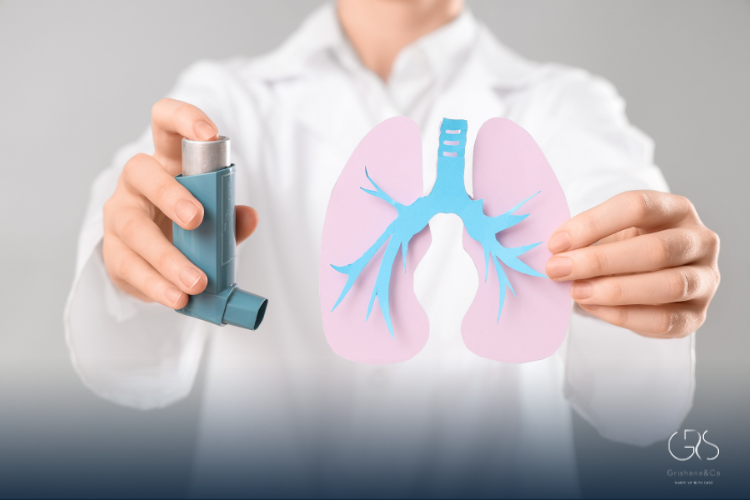
The most well-documented sulfite reactions involve the respiratory system. Symptoms may include wheezing, coughing, chest tightness, or shortness of breath. Research indicates that sulfites can provoke bronchoconstriction, especially in individuals with underlying asthma.
Skin and Facial Reactions
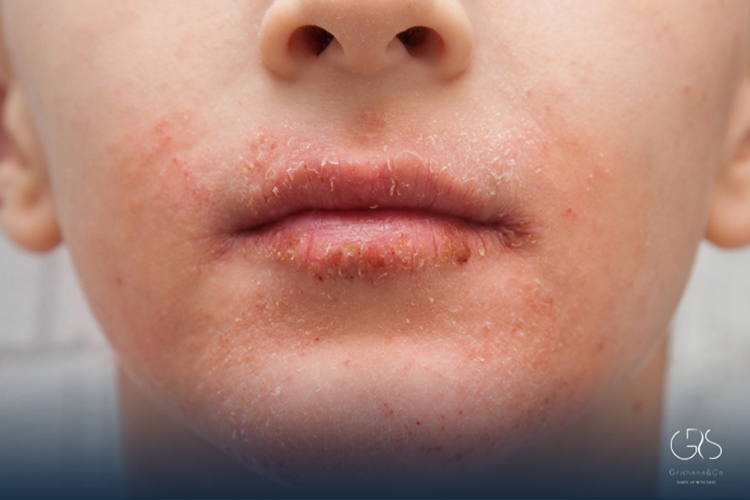
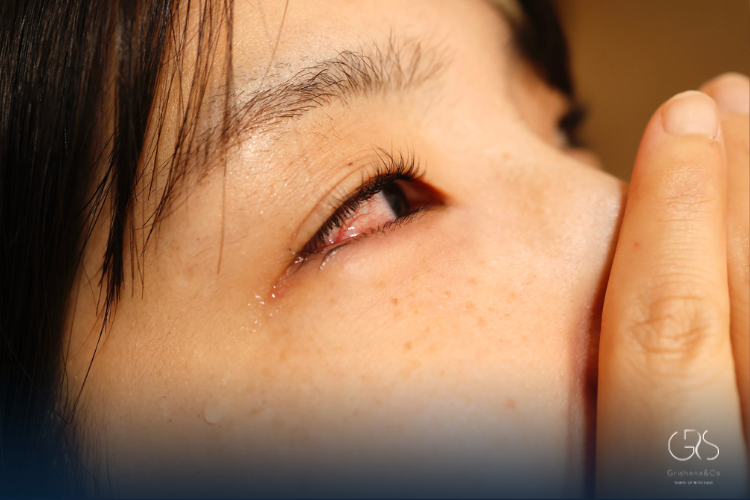
Some people experience facial flushing, itching, hives, or redness after drinking wine. While often attributed to sulfites, these symptoms may also be caused by histamines or alcohol-induced vasodilation.
Digestive and Neurological Symptoms
Nausea, stomach cramps, diarrhea, and headaches are frequently reported. Headaches are particularly controversial, as studies suggest they are more likely linked to histamines, tannins, or alcohol itself rather than sulfites alone.
Why Some People Are More Sensitive Than Others
Not everyone reacts to sulfites in the same way. Genetics, underlying health conditions, and gut health all influence how the body processes sulfites.
Asthma and Sulfite Sensitivity
Asthma is the strongest known risk factor for sulfite reactions. Studies estimate that 3–10% of people with asthma may experience sulfite-induced symptoms. Sulfur dioxide released from sulfites can irritate the airways, triggering bronchospasm.
Enzyme Deficiency and Sulfite Metabolism
The body relies on an enzyme called sulfite oxidase to break down sulfites into harmless sulfate. Individuals with lower enzyme activity may accumulate sulfites more easily, increasing the risk of adverse reactions.
How to Tell If Wine Is the Problem
If you suspect sulfite allergy wine reactions, systematic observation is key. Jumping to conclusions without evidence can lead to unnecessary dietary restrictions.
Keeping a Symptom and Wine Journal
Tracking what type of wine you drink, how much, and what symptoms follow can reveal patterns. Note whether symptoms occur with other sulfite-rich foods, which may indicate sensitivity rather than a wine-specific issue.
Comparing Red, White, and Sparkling Wines
Since red wines typically contain fewer sulfites, tolerating red wine but reacting to white or sweet wines may suggest sulfite sensitivity. However, reactions to red wine may instead point toward histamines or tannins.
Medical Testing and Diagnosis
Diagnosing sulfite sensitivity can be challenging. There is no simple blood test that definitively confirms sulfite allergy wine reactions.
Elimination and Challenge Testing
Doctors may recommend an elimination diet followed by controlled reintroduction under medical supervision. This approach helps identify whether sulfites truly trigger symptoms.
When to See an Allergist
If symptoms include breathing difficulty, swelling, or severe reactions, evaluation by an allergist is essential. In rare cases, supervised oral challenge tests may be performed in clinical settings.
Managing Life With Sulfite Sensitivity
If sulfites are confirmed as a trigger, management focuses on minimizing exposure while maintaining quality of life.
Choosing Low-Sulfite or Sulfite-Free Wines
Some winemakers produce low-sulfite wines, often labeled accordingly. While completely sulfite-free wine is rare, these options may reduce symptoms for sensitive individuals.
Reading Labels and Dining Out Safely
In many countries, wines containing more than 10 parts per million of sulfites must disclose this on labels. Being mindful of other sulfite-rich foods can also reduce cumulative exposure.
Are Sulfites Really the Main Culprit?
It is important to acknowledge that sulfites are not always the cause of wine-related symptoms. Histamines, alcohol intolerance, dehydration, and tannins are frequent contributors.
Histamines and Wine Reactions
Histamines are present in higher amounts in red wine and can cause flushing, headaches, and nasal congestion. People with low diamine oxidase (DAO) activity may be particularly sensitive.
Alcohol Itself as a Trigger
Alcohol is a vasodilator and central nervous system depressant, which can independently cause headaches, flushing, and digestive symptoms. This complicates the diagnosis of sulfite allergy wine issues.
What Science Really Says About Sulfite Allergy Wine
Scientific consensus emphasizes that true sulfite allergy is uncommon, but sensitivity exists, especially among people with asthma. Multiple studies have demonstrated bronchoconstrictive responses to sulfites under controlled conditions, while evidence linking sulfites to headaches in the general population remains weak.
Conclusion
If wine consistently makes you feel unwell, sulfites may be part of the explanation—but they are rarely the whole story. Sulfite allergy wine reactions are uncommon, and many symptoms attributed to sulfites are actually caused by histamines, alcohol, or other compounds in wine. Understanding your personal triggers through observation, medical guidance, and informed choices can help you enjoy wine more safely—or decide when it is best to avoid it altogether.
Scientific Sources
- Vally H, Misso NL. Adverse reactions to the sulphite additives. Gastroenterology and Hepatology. https://www.ncbi.nlm.nih.gov/pmc/articles/PMC4017440/
- Bush RK et al. Sulfite sensitivity. Journal of Allergy and Clinical Immunology. https://pubmed.ncbi.nlm.nih.gov/10359884/
- EFSA Panel on Food Additives. Scientific opinion on sulfites. https://www.efsa.europa.eu/en/efsajournal/pub/2044
- Wantke F et al. Wine intolerance. Clinical and Experimental Allergy. https://pubmed.ncbi.nlm.nih.gov/8005074/
- Maintz L, Novak N. Histamine and histamine intolerance. American Journal of Clinical Nutrition. https://academic.oup.com/ajcn/article/85/5/1185/4649498
Sources
- PubMed Central (PMC), Adverse reactions to the sulphite additives
- Cleveland Clinic, Sulfite Sensitivity
- WebMD , Asthma and Sulfite Allergies