



Packing school snacks can feel like walking a tightrope. You want food your child will actually eat, snacks that won’t trigger allergic reactions in classmates, and options that support learning and energy throughout the day. For families navigating food allergies or school allergy policies, the pressure is real. This guide focuses on Allergy safe snacks for kids that are supported by nutrition science, recommended by allergy organizations, and realistic for busy parents. We’ll explore what “school-safe” truly means, how to read labels with confidence, and fifteen snack ideas that balance safety, nutrition, and kid appeal.
Why Food Allergies Matter in Schools
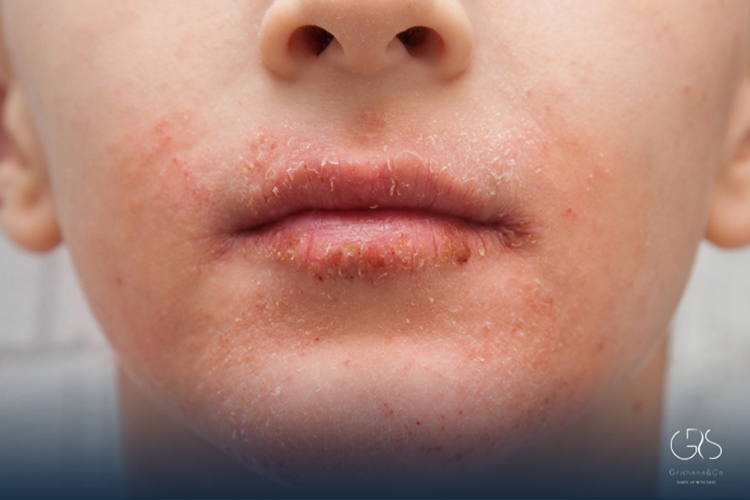
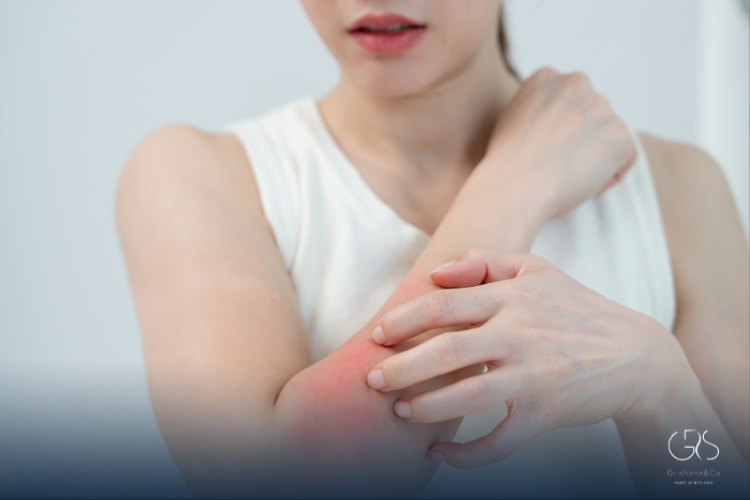
Food allergies affect roughly 8% of children worldwide, and reactions can be severe and unpredictable. Schools are shared environments where cross-contact can happen easily, which is why many have strict food policies. Understanding the science behind allergies helps parents make safer choices without fear-driven restrictions.
How common childhood food allergies are
Studies published in The Journal of Allergy and Clinical Immunology show that peanuts, tree nuts, milk, eggs, wheat, soy, fish, and shellfish account for over 90% of childhood food allergies. Prevalence has increased over the last two decades, likely due to a mix of genetic, environmental, and dietary factors.

What “school-safe” actually means
“School-safe” does not always mean allergen-free. It usually refers to foods that avoid the most common allergens and are unlikely to cause exposure through touch or airborne particles. Allergy safe snacks for kids are typically free from peanuts and tree nuts, individually packaged, and easy to clean up.
Science-Based Principles for Allergy-Safe Snacking
Choosing safe snacks isn’t just about avoiding allergens. Nutrition quality matters for focus, mood, and growth. Science gives us clear guidelines for building better snacks.
Cross-contact and why it’s risky
Research from Food Allergy Research & Education (FARE) shows that tiny amounts of allergen protein can trigger reactions. Cross-contact happens when safe food touches contaminated surfaces, utensils, or hands. Snacks that are sealed, simple, and low-crumb reduce this risk.
Nutrient balance for growing brains
According to the American Academy of Pediatrics, snacks should combine complex carbohydrates, protein, and healthy fats when possible. This balance stabilizes blood sugar and supports concentration during long school days.
Label Reading for Allergy Safety
Label literacy is one of the most powerful tools parents have. Regulations help, but understanding them is essential.
Understanding “free-from” claims
In the U.S. and EU, allergen labeling laws require clear disclosure of major allergens. “Free-from” claims are voluntary but regulated. Studies in Food Control journal show that certified allergen-free products have significantly lower contamination risk than uncertified ones.
Hidden allergens parents often miss
Ingredients like lecithin, natural flavors, or spice blends can sometimes contain allergen traces. Allergy safe snacks for kids should have short, transparent ingredient lists and, when possible, third-party allergen certifications.
15 Allergy-Safe Snack Ideas Backed by Nutrition Science
Below are fifteen snack ideas commonly recommended by pediatric dietitians and supported by nutritional research. Always double-check labels, as formulations can change.
Fresh fruit with safe dips
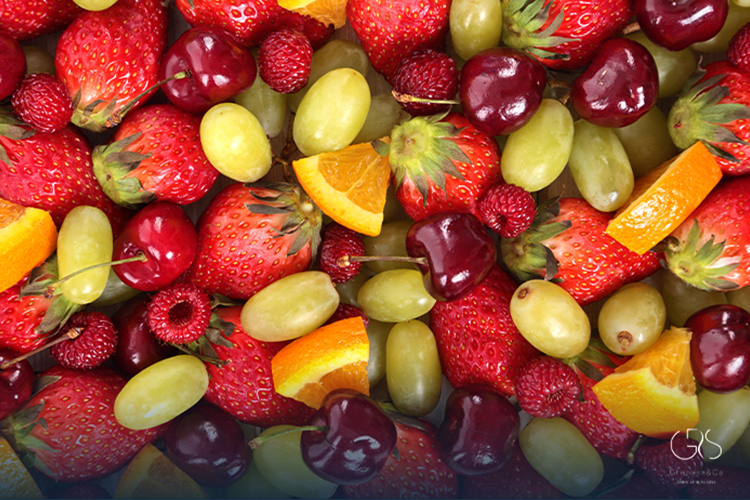
Whole fruits like apples, pears, and grapes are naturally free from major allergens. Pairing them with sunflower seed butter or yogurt alternatives provides fiber and sustained energy, supported by studies in Nutrients journal.
Veggie sticks and hummus alternatives
Carrots, cucumbers, and bell peppers paired with chickpea-free dips (like white bean spreads) offer vitamins A and C. Legume-based dips are linked to improved satiety in children.
(To learn about the Benefits of Carrots, please refer to this article.)
Rice cakes with seed spreads
Plain rice cakes are low-allergen and easy to portion. Topping them with pumpkin or sunflower seed spreads adds healthy fats shown to support brain development.
Oat-based energy bites
When made with certified gluten-free oats and seed butter, oat bites provide beta-glucan fiber, which research links to better gut health and immune regulation.
Dairy-free yogurt cups
Coconut or oat-based yogurts fortified with calcium and vitamin D support bone health, according to randomized pediatric nutrition studies.
Homemade popcorn
Air-popped popcorn is a whole grain with antioxidants called polyphenols. Avoid flavored versions to keep it safe and simple.
Applesauce pouches
Unsweetened applesauce offers hydration and quick energy. Pouches reduce mess and cross-contact risk, making them popular Allergy safe snacks for kids.
Corn tortilla roll-ups
Corn tortillas filled with mashed beans or safe spreads provide plant protein and complex carbs, shown to support afternoon energy levels.
Hard-boiled eggs (if allowed)
Eggs are nutritious but only appropriate in egg-safe classrooms. They provide choline, essential for brain development, according to NIH research.

Roasted chickpeas
When schools allow legumes, roasted chickpeas offer protein and iron. Iron intake is linked to improved attention in school-aged children.
Seed-based granola bars
Bars made with seeds instead of nuts deliver healthy fats and minerals. Choose brands with third-party allergen testing.
Smoothie pouches
Fruit-and-veggie smoothies without dairy or nuts are hydrating and nutrient-dense. Research shows blended fruits retain most fiber when consumed whole.
Crackers with safe cheese alternatives
Rice or lentil crackers paired with dairy-free cheese alternatives can provide calcium and calories for active kids.
Homemade muffins with allergen swaps
Using flax eggs, oat flour, and seed oils allows baking without common allergens. Baking science shows texture and nutrition remain comparable.
Simple trail mix alternatives
Mix pretzels, dried fruit, and seeds instead of nuts. This approach keeps snacks exciting while staying within safety guidelines for Allergy safe snacks for kids.
Managing School Policies and Communication
Even the best snack choices work better with clear communication and cooperation.
Talking to teachers and schools
Studies on allergy management in schools emphasize proactive communication. Sharing ingredient lists and packaging photos helps educators feel confident.
Teaching kids allergy awareness
Children who understand basic allergy rules are more likely to avoid sharing food and wash hands. Educational interventions have been shown to reduce accidental exposures.
Common Myths About Allergy-Safe Snacks
Misinformation creates unnecessary fear. Science helps separate myth from fact.
“All allergy-safe snacks are unhealthy”
False. Research consistently shows that minimally processed, allergen-aware snacks can meet or exceed nutritional guidelines.
“Avoiding allergens causes deficiencies”
With proper planning, children can meet all nutrient needs. Dietetic studies confirm that balanced allergen-free diets support normal growth patterns.
How to Build a Weekly Allergy-Safe Snack Plan
Planning reduces stress and last-minute mistakes.
Batch prep for busy families
Weekend preparation of fruits, veggies, and baked goods aligns with behavioral nutrition research showing higher adherence to healthy eating when food is ready.
Rotating options to prevent boredom
Variety increases nutrient intake and acceptance. Exposure studies show children are more likely to try foods they see repeatedly.
Allergy Safe Snacks for Kids in Real Life
Perfection isn’t the goal. Safety, nourishment, and enjoyment matter more than elaborate packaging or trends. When parents focus on science-backed choices, snacks become a source of confidence rather than anxiety.
Conclusion
Creating Allergy safe snacks for kids is about informed choices, not fear. By understanding food allergy science, reading labels carefully, and focusing on balanced nutrition, parents can pack snacks that support both individual health and classroom safety. With the right approach, school snacks become one less thing to worry about and one more way to care for your child and their community.
Sources
- MDPI, Nutrients
- Food Allergy Research & Education, Food Allergy Management in Schools
- CDC, Food Allergies in Schools
- ScienceDirect, Journal of Allergy and Clinical Immunology