


When considering contraception, one of the options you might hear about is the birth control shot. In this article you’ll get a clear, friendly-yet-scientific overview of this contraceptive injection: what it is, how it works, how well it performs, who it suits, key benefits and risks, how to use it, and what to ask your healthcare provider. Whether you’re choosing a new method or just exploring your options, this guide keeps the information practical and human.
What is the birth control shot?
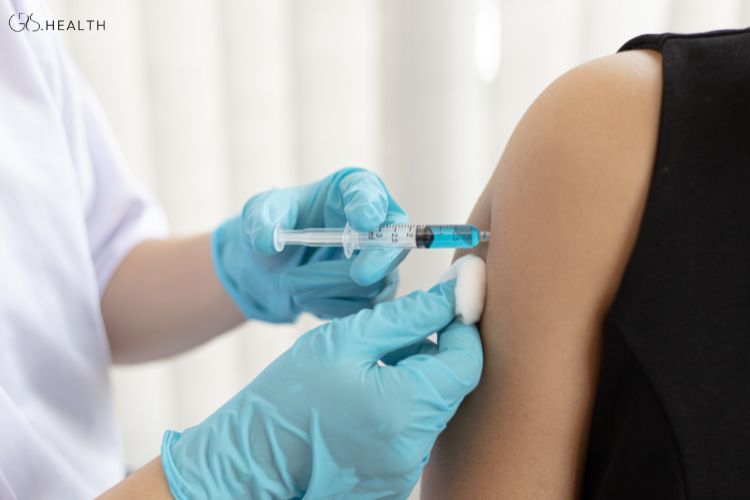
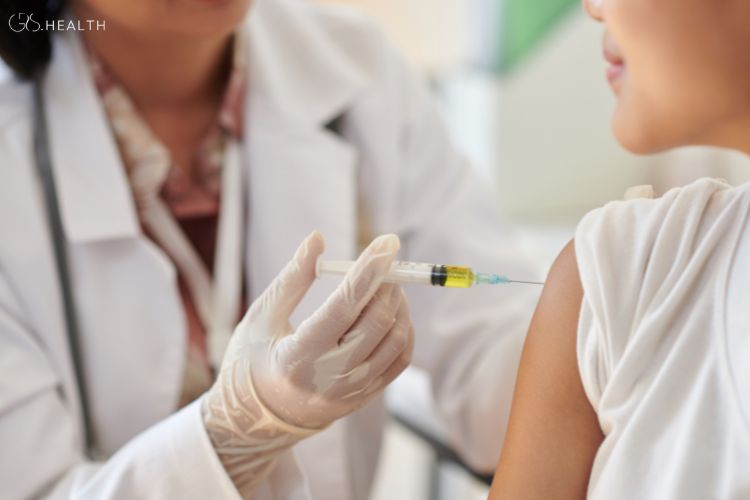
The term birth control shot refers to an injectable contraceptive—most commonly the brand-name Depo-Provera (medroxyprogesterone acetate) or a similar progestin-only formulation . It’s given by a healthcare provider or, in some cases, self-administered under guidance—every 12–13 weeks. Because it doesn’t require daily attention like the pill, it’s considered one of the more convenient hormonal options.
(Read about Birth Control on Your Body.)
How does the method work?
The effectiveness of this hormonal injection comes from several biological mechanisms:
Mechanisms of the birth control shot
- Suppressing ovulation – It prevents the ovaries from releasing an egg each month
- Thickening cervical mucus – The hormone thickens cervical mucus, blocking sperm from reaching an egg.
- Thinning the uterine lining – The uterine lining becomes less receptive, so implantation is unlikely.
These three effects work together to make the shot a highly effective form of contraception when used correctly.
How effective is it?
All contraceptive methods differ between “perfect use” and “typical use.”
Effectiveness of the birth control shot
- With perfect timing every 12–13 weeks, effectiveness exceeds 99%.
- With typical use—delays included—about 6 in 100 people may become pregnant annually.
- It’s often more reliable than daily pills for people who struggle with routine dosing .
Consistency is crucial: staying on schedule keeps protection at its peak.
Who might it suit best?
Choosing a contraceptive is personal and depends on health, lifestyle, and future fertility goals.
Suitability and decision-making for the shot
You may prefer this method if you:
- Don’t want to manage daily pills
- Should avoid estrogen (it’s a progestin-only method).
- Can attend a brief appointment every three months
- Aren’t planning pregnancy soon, as fertility may take time to return.
It may not be ideal if you:
- Want pregnancy quickly after stopping
- Worry about bone health or irregular bleeding
- Need protection from STIs (use condoms as well)
Benefits worth knowing
Advantages of the birth control shot
- Convenience: One injection every three months means fewer reminders.
- High reliability: Excellent when kept on schedule
- No estrogen: Suitable for people who cannot take estrogen.
- Improved period symptoms: Often lighter or no bleeding
- Privacy: No visible devices or daily pills required
These factors make it a popular, low-maintenance option for many.
Risks and considerations
Things to consider before starting
- Irregular bleeding or no periods: Common in the first year.
- Possible weight change: Some gain modestly
- Fertility delay: Ovulation may take 10–18 months to return.
- Bone density effects: Long-term use can lower bone mass; discuss supplements and exercise.
- No STI protection: Condoms still needed
- Rare conditions: ACOG notes a very small possible risk of benign meningioma, still under study.
How to use it
Practical guidance for using the birth control shot
- Consult your clinician: Review health history and medications.
- Timing: Usually within the first 5 days of a period for instant protection.
- Administration: Given into a muscle or under the skin.
- Schedule: Every 12–13 weeks—don’t exceed 13 without backup protection.
- Monitoring: Long-term users may need bone checks
- Stopping or switching: Discuss fertility return and alternatives early
What to expect
Cycle and body changes
Many users notice spotting or irregular bleeding at first, sometimes followed by complete absence of periods . Other possible effects include breast tenderness, mild headaches, or mood shifts. Since it doesn’t block infections, pair with condoms for full sexual-health coverage.

Fertility after stopping
Pregnancy is possible again once ovulation resumes, but for some, that may take up to 18 months ([Healthline][6]). Plan accordingly if conception is a goal.
Comparing with other methods
How the birth control shot compares
The shot is easier than pills, patches, or rings because it needs attention only quarterly. Compared with implants or IUDs, it’s less long-term but doesn’t require an insertion procedure. It’s ideal for people wanting reliability without commitment to multi-year devices.
Myths and common questions
FAQs about the shot
Does it protect against STIs?
No—use condoms or other barriers .
Can I use it while breastfeeding?
Yes, it’s generally safe and widely prescribed postpartum.
Will I gain weight?
Some users report mild increases; maintaining healthy habits helps.
What if I’m late for my next injection?
Use backup protection until the next dose has taken effect.
Making a shared decision
H2: Deciding if it’s right for you
When consulting your provider, discuss:
- Your fertility goals
- Conditions affecting bone or vascular health
- How comfortable you are with injections
- STI protection needs
- Side-effects you’d want to avoid
Your clinician should guide you through benefits, risks, and alternatives before starting.
Summary
The birth control shot is a dependable, progestin-only contraceptive given quarterly. It prevents ovulation, thickens cervical mucus, and alters the uterine lining, offering strong pregnancy prevention when kept on schedule. Its main advantages are simplicity, reliability, and suitability for those avoiding estrogen. Downsides include possible bleeding changes, bone effects, and fertility delay. Discuss your health and life goals with your provider to see if this hormonal injection fits your needs.
Sources
- Mayo Clinic, Depo-Provera (birth control shot)
- Medical News Today, Birth control shot (Depo-Provera)
- ColumbiaDoctors, Birth Control Hormones: The Shot
- Kaiser Permanente, Learning About Birth Control: The Shot
- Healthline, Everything to Know About Depo-Provera
- Verywell Health, Pros and Cons of the Depo-Provera Shot
- Planned Parenthood, Birth Control Shot
- Thomson Medical, Contraceptive Injections
- ACOG, Counseling Patients on Birth Control Injection
- CDC, When To Start Using Specific Contraceptive Methods
- Reproductive Health Access Project, Depo User Guide