


If you spend hours each day staring at a phone, laptop, or tablet, you’ve probably wondered whether all that screen time is harming your vision. Blue light has gained a reputation as a modern villain, blamed for eye strain, headaches, poor sleep, and even permanent eye damage. But how much of this fear is backed by real science, and how much is hype? This article takes a calm, evidence-based look at blue light eyes, separating facts from myths and helping you understand what truly matters for your eye health.
What Is Blue Light and Why Blue Light Eyes Matter
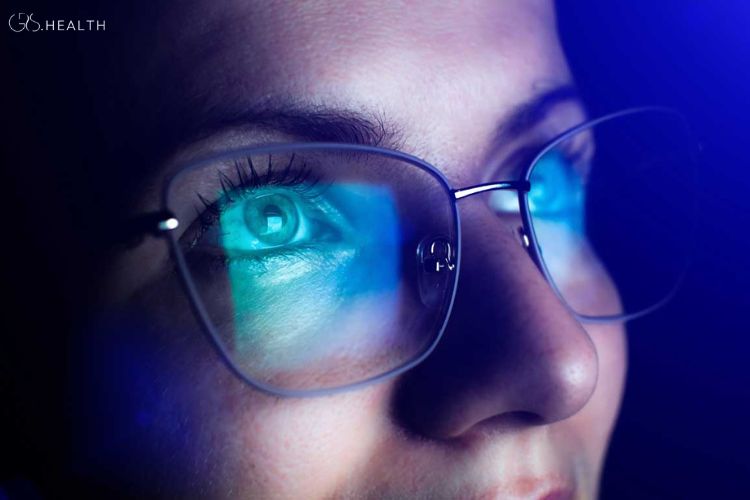
Blue light is a high-energy, short-wavelength part of the visible light spectrum, with wavelengths between roughly 400 and 490 nanometers. It is naturally present in sunlight and plays an important role in regulating our circadian rhythm, mood, and alertness. The concern around blue light eyes began with the rise of digital screens, which emit artificial blue light through LEDs. Because we now spend more time indoors and on screens than ever before, our exposure patterns have changed dramatically.

Natural vs Artificial Blue Light
Sunlight is by far the largest source of blue light exposure, delivering much higher intensity than digital devices. However, artificial sources like smartphones, computers, and LED lighting expose our eyes to blue light at close distances for prolonged periods. This difference in exposure duration and proximity is what raised questions about eye health and potential health effects.
Why Screens Changed the Conversation
Before digital screens became ubiquitous, blue light exposure followed natural day-night cycles. Screens allow blue light exposure late into the evening, which can interfere with sleep patterns. This shift has made researchers look more closely at how blue light eyes respond to long-term, close-range exposure.
How Blue Light Affects the Eye
To understand whether blue light is harmful, it helps to know how the eye processes light. Light enters through the cornea, passes the lens, and focuses on the retina. Blue light scatters more easily than longer wavelengths, which may contribute to visual discomfort.
Blue Light and Retinal Exposure
Laboratory studies show that very intense blue light can damage retinal cells in animal models. However, these experiments often use light levels far higher than those produced by consumer screens. When it comes to everyday blue light eyes exposure, current evidence does not show direct retinal damage from normal screen use.
The Role of the Macula
The macula is the central part of the retina responsible for sharp vision. It contains natural pigments, lutein and zeaxanthin, which filter blue light and act as antioxidants. These pigments offer natural protection for blue light eyes, reducing potential oxidative stress.
Blue Light Eyes and Digital Eye Strain
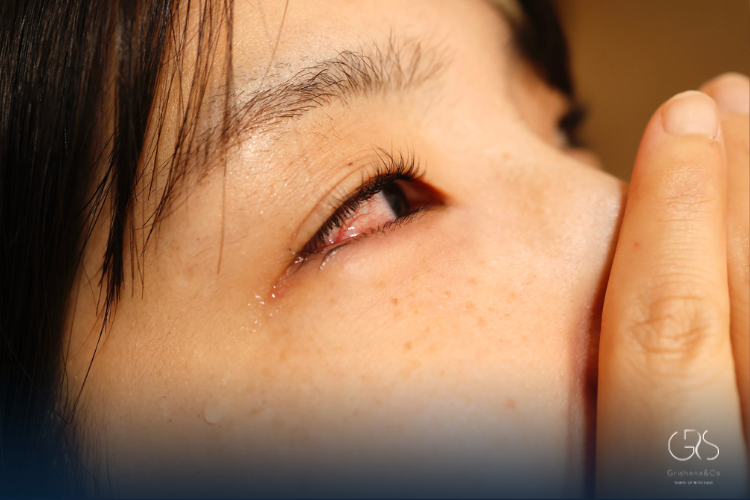
One of the most common complaints linked to screens is digital eye strain, also known as computer vision syndrome. Symptoms include dryness, burning, blurred vision, and headaches.
Is Blue Light the Main Culprit?
Research suggests that digital eye strain is not primarily caused by blue light itself. Instead, it is largely due to prolonged near focus, reduced blinking, poor posture, and screen glare. Blue light eyes may feel uncomfortable during screen use, but the strain comes more from how we use screens than from the light they emit.
Why Your Eyes Feel Tired After Screens
When you look at screens, you blink less often, sometimes up to 50 percent less. Reduced blinking leads to tear film instability and dryness, making your eyes feel tired and irritated. This explains why blue light eyes symptoms often improve with breaks, artificial tears, and better screen habits.

Blue Light Eyes and Sleep Disruption
One area where blue light has a clear scientific effect is sleep regulation. Blue light suppresses melatonin, the hormone that signals your body to prepare for sleep.
How Blue Light Affects Circadian Rhythm
Specialized retinal cells called intrinsically photosensitive retinal ganglion cells respond strongly to blue light. When exposed at night, they signal the brain to stay alert. This is why late-night screen use can delay sleep onset and reduce sleep quality.
Evening Screen Use and Sleep Quality
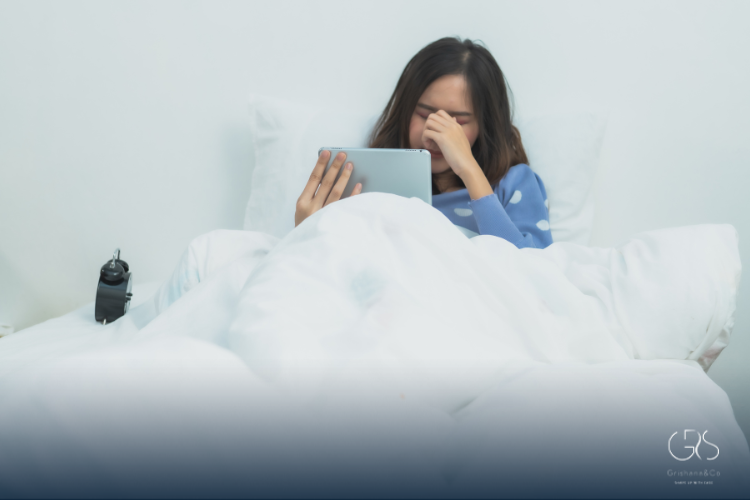
Studies show that people who use screens before bedtime take longer to fall asleep and experience less restorative sleep. For blue light eyes, the issue is not eye damage but how blue light exposure at the wrong time disrupts the body’s natural clock.
Do Blue Light Glasses Really Help Blue Light Eyes?
Blue light–filtering glasses have become popular, promising relief from eye strain and better sleep. But do they work?
Evidence on Eye Strain Relief
Multiple clinical trials have found no strong evidence that blue light–blocking glasses reduce digital eye strain more than regular lenses. The American Academy of Ophthalmology does not currently recommend them for routine screen use.
Potential Benefits for Sleep
Blue light glasses may help improve sleep when worn in the evening by reducing melatonin suppression. For people sensitive to light or those who work late at night, they may offer some benefit for managing blue light eyes exposure before bed.
Blue Light Eyes and Long-Term Vision Health
A major fear surrounding blue light is its supposed link to age-related macular degeneration (AMD). This concern often appears in marketing claims but needs careful examination.
What Studies Say About Macular Degeneration
Current scientific evidence does not support the idea that everyday screen exposure increases the risk of AMD. Most data linking blue light to retinal damage come from cell or animal studies using unrealistic exposure levels.
The Protective Role of Nutrition
A diet rich in leafy greens, colorful vegetables, and omega-3 fatty acids supports retinal health. Nutrients like lutein and zeaxanthin strengthen the eye’s natural blue light filter, offering long-term support for blue light eyes.
Practical Ways to Protect Blue Light Eyes
While blue light from screens is not as dangerous as often claimed, smart habits can reduce discomfort and improve overall eye health.
Follow the 20-20-20 Rule
Every 20 minutes, look at something 20 feet away for at least 20 seconds. This simple habit relaxes eye muscles and reduces strain associated with prolonged near work.
Optimize Your Screen Setup
Adjust screen brightness to match ambient lighting, reduce glare, and position screens slightly below eye level. These changes address the real causes of digital eye strain more effectively than blue light filters.
Manage Evening Light Exposure
Reduce screen use one to two hours before bedtime or use night mode settings that shift screens toward warmer tones. This helps protect blue light eyes from sleep-disrupting exposure.
Myths and Misconceptions About Blue Light Eyes
Misinformation spreads quickly, especially online. Understanding common myths can help you make informed decisions.
Myth: Blue Light From Screens Damages Eyes Permanently
There is no solid evidence that normal screen use causes permanent eye damage. The discomfort many people feel is real, but it is usually temporary and manageable.
Myth: Blue Light Glasses Are Essential
For most people, good screen habits, regular breaks, and proper lighting are more effective than specialized glasses. Blue light eyes benefit more from behavior changes than accessories.
Who Should Be More Cautious With Blue Light Eyes?
Although blue light is generally safe, certain groups may need extra consideration.
Children and Blue Light Exposure
Children’s eyes transmit more light to the retina than adult eyes. Limiting excessive screen time and encouraging outdoor play supports both visual and overall health.
People With Sleep Disorders
Individuals with insomnia or circadian rhythm disorders may benefit from minimizing evening blue light exposure. In these cases, managing blue light eyes exposure can meaningfully improve sleep quality.
Conclusion
So, is blue light bad for your eyes? According to current science, blue light from screens does not cause permanent eye damage or increase the risk of serious eye disease. The discomfort often blamed on blue light is more accurately explained by digital eye strain, poor screen habits, and reduced blinking. Where blue light truly matters is sleep, as evening exposure can disrupt circadian rhythms and delay rest. By understanding how blue light eyes respond to screens and adopting simple, practical habits, you can protect your vision, sleep better, and use technology with confidence rather than fear.
Sources
- American Academy of Ophthalmology, Senior businesswoman multitasking at desk with tablet device and desktop computer Digital Devices and Your Eyes
- Proceedings of the National Academy of Sciences, Evening use of light-emitting eReaders negatively affects sleep, circadian timing, and next-morning alertness