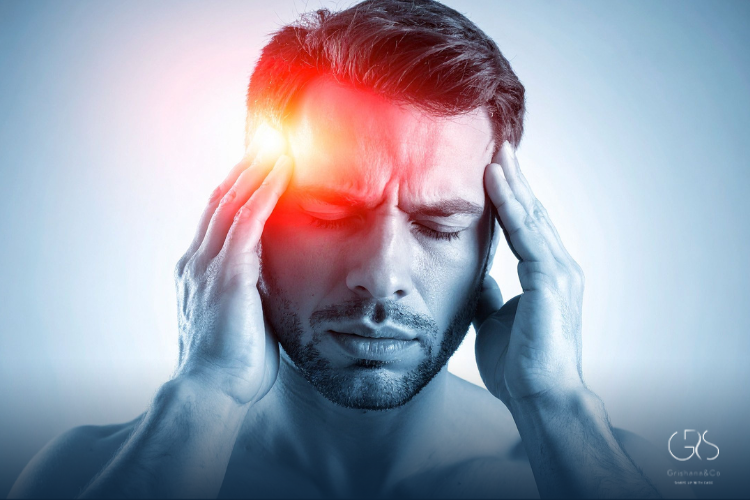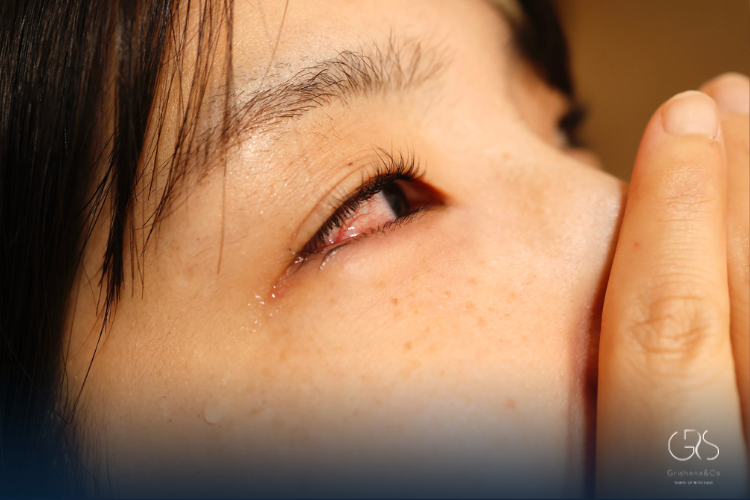




If you’ve ever dealt with burning, gritty eyes and a dull, nagging headache at the same time, you’re not imagining things. Many people quietly wonder whether eye discomfort can travel beyond the eyes and affect the head. The short answer is yes—there is growing scientific evidence linking dry eye disease to headaches. Understanding how and why this happens can help you recognize symptoms earlier and find more effective relief.
Understanding Dry Eye Disease
Dry eye disease is far more than occasional dryness. It is a chronic condition where the eyes fail to produce enough tears or produce poor-quality tears, leading to inflammation and irritation of the ocular surface.
What causes dry eye disease
Dry eye can occur due to a variety of factors. Causes dry eye often include prolonged screen use, aging, hormonal changes, autoimmune conditions, and frequent contact lens wear. Certain medications can also contribute, along with environmental influences such as air conditioning, pollution, and dry climates.
How dry eye affects the ocular surface
Healthy tears protect the cornea, maintain clear vision, and keep nerve endings stable. When tears evaporate too quickly or lack essential components, the corneal surface becomes exposed and inflamed, activating pain-sensitive nerves.
The Eye–Brain Connection
The eyes are not isolated organs; they are deeply connected to the nervous system. This connection explains how eye discomfort can translate into head pain.
Shared nerve pathways between eyes and head
The trigeminal nerve is responsible for sensation in the eyes, face, and head. When the cornea becomes irritated due to dryness, pain signals travel along this nerve and can be interpreted by the brain as a headache rather than localized eye pain.
Why eye pain can feel like a headache
Because the brain processes pain from overlapping nerve pathways, it may struggle to identify the exact source. This is why many people experience pressure behind the eyes, temples, or forehead instead of sharp eye pain.
Dry Eye Headaches: Is There a Scientific Link?
Researchers have increasingly explored the relationship between ocular surface disease and headache disorders.
Evidence from clinical studies
Multiple studies have shown a higher prevalence of headaches among patients with dry eye disease. Research published in The Ocular Surface found that individuals with moderate to severe dry eye symptoms reported significantly more frequent headaches compared to healthy controls.
Chronic inflammation and nervous system sensitivity
Persistent irritation of corneal nerves can lead to central sensitization, a process in which the nervous system becomes more responsive to pain signals, increasing the likelihood of recurring head pain.
Types of Headaches Associated With Dry Eye
Not all headaches feel the same, and dry eye can influence different headache patterns.
Tension-type headaches
Tension headaches are the most commonly reported among people with ocular surface discomfort. These headaches feel like a tight band around the head and often worsen after prolonged visual tasks such as reading or screen use.
Migraine and dry eye overlap
Migraine sufferers are more likely to report eye dryness and irritation. Studies suggest that shared inflammatory pathways and nerve hypersensitivity may explain why dry eye headaches frequently coexist with migraines.
Symptoms That Suggest Dry Eye–Related Headaches
Recognizing symptom patterns can help determine whether dry eye is contributing to head pain.
Eye symptoms that often come first
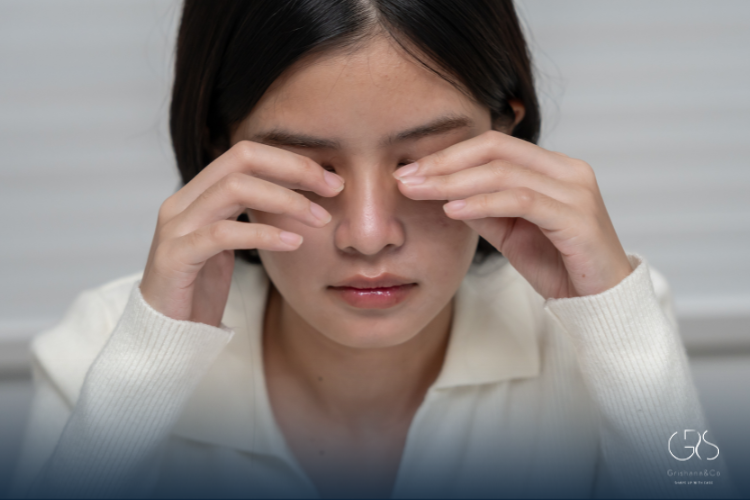
Burning, stinging, redness, blurred vision, and a foreign body sensation usually appear before headaches. Symptoms often worsen later in the day.
Headache patterns linked to visual strain
Headaches that intensify after computer use, driving, or reading are more likely to be related to ocular surface stress rather than sinus or neurological causes.
Risk Factors That Increase the Chances of Dry Eye Headaches
Certain lifestyle and health factors make some people more vulnerable than others.
Digital eye strain and screen exposure
Extended screen time reduces blink rate by up to 60%, increasing tear evaporation. This makes digital workers particularly susceptible to dry eye headaches.
Hormonal and autoimmune influences
Women, especially during menopause, and individuals with autoimmune diseases such as Sjögren’s syndrome face higher risks due to tear gland dysfunction and chronic inflammation.
How Dry Eye Is Diagnosed in Headache Patients
Accurate diagnosis is essential to avoid treating symptoms in isolation.
Eye exams that reveal dry eye
Eye care professionals use tests such as tear breakup time, Schirmer’s test, and corneal staining to assess tear quality and ocular surface damage.
When headaches prompt an eye evaluation
Neurologists increasingly refer headache patients for eye exams when standard headache treatments fail, recognizing the role of ocular pain in persistent symptoms.
Treating the Root Cause: Dry Eye Management
Addressing dry eye directly often reduces headache frequency and intensity.
Artificial tears and lubrication strategies
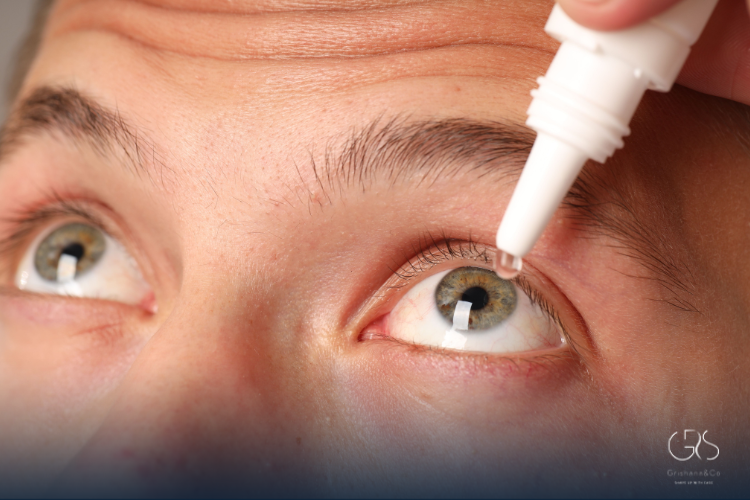
Preservative-free artificial tears help stabilize the tear film and reduce nerve irritation. Consistent use is more effective than occasional relief drops.
Prescription treatments and inflammation control
Medications such as cyclosporine and lifitegrast target inflammation, improving tear production and reducing nerve hypersensitivity that contributes to dry eye headaches.
Lifestyle Changes That Reduce Headache Risk
Small daily habits can make a meaningful difference.
Screen habits that protect the eyes
Following the 20-20-20 rule, adjusting screen height, and using proper lighting reduce visual strain and tear evaporation.
Environmental and nutritional support
Using humidifiers, staying hydrated, and consuming omega-3 fatty acids support tear stability and nerve health.
When to See a Doctor
Not all headaches are eye-related, and medical guidance is important.
Red flags that need medical evaluation
Sudden severe headaches, vision loss, nausea, or neurological symptoms require immediate medical attention and should not be attributed to dry eye alone.
Coordinated care for lasting relief
The best outcomes often come from collaboration between eye care providers and headache specialists, especially when dry eye headaches are chronic or severe.
Conclusion
Dry eye can do more than irritate the eyes—it can affect the entire sensory system. Scientific evidence shows that ocular surface inflammation, shared nerve pathways, and visual strain can all contribute to head pain. By recognizing symptoms early and treating the underlying eye condition, many people experience fewer headaches and better overall comfort. If eye discomfort and head pain often occur together, addressing dry eye may be a key step toward lasting relief.
Sources
- JAMA Ophthalmology, Association Between Dry Eye Disease and Migraine Headaches in a Large Population-Based Study
- Eye and Brain Journal, Exploring the Link Between Dry Eye and Migraine: From Eye to Brain