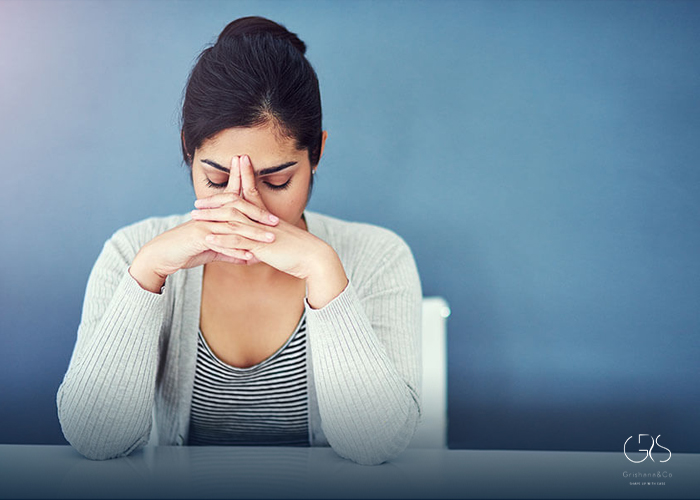




The menstrual cycle is far more than a monthly biological rhythm—it’s a complex emotional journey influenced by hormones, brain chemistry, and daily life. Understanding the emotional changes menstrual cycle brings can help women navigate mood swings, stress, and energy shifts with awareness rather than frustration. This knowledge transforms the monthly cycle from confusion into empowerment.
Phases of Emotional Changes Menstrual Cycle
A typical menstrual cycle lasts around 28 days and has four phases: menstrual, follicular, ovulation, and luteal. Each phase affects hormones and in turn emotions. During menstruation, estrogen and progesterone drop, leading to lower energy and introspection. As estrogen rises during the follicular phase, optimism and motivation return. Ovulation brings a peak in confidence, creativity, and sociability. The luteal phase, however, often introduces irritability, anxiety, or sadness as progesterone dominates. Recognizing these natural fluctuations is key to managing emotional changes menstrual cycle effectively.
How Hormones Affect Emotions Throughout the Cycle
Hormones are chemical messengers that connect the body and brain. Estrogen boosts serotonin and dopamine, improving mood, while progesterone can either calm or destabilize depending on its balance. Testosterone, though less discussed, adds energy and assertiveness during ovulation. When these hormones shift, they influence mood centers in the brain like the amygdala, which controls emotional reactions. Learning how hormones shape emotional changes menstrual cycle helps women anticipate and respond to these shifts with empathy rather than confusion.

Brain Chemistry and Emotional Shifts
The brain interprets hormonal signals as emotional experiences. Estrogen supports serotonin production, which enhances happiness and focus. When estrogen falls before menstruation, serotonin drops too, leading to irritability or sadness. Dopamine, another vital neurotransmitter, follows a similar pattern peaking during ovulation and lowering before menstruation. This biochemical rhythm explains why emotional changes during your cycle are both predictable and deeply felt. It also reminds us that mood swings are not weakness they’re neurochemical responses to hormonal ebb and flow.
PMS, PMDD, and Emotional Sensitivity
Premenstrual Syndrome (PMS) affects up to 75% of menstruating women. Emotional symptoms include mood swings, sadness, and anger. A smaller percentage experience Premenstrual Dysphoric Disorder (PMDD), a more severe form that interferes with daily life. Researchers believe PMDD results from unusual brain sensitivity to normal hormonal changes, not necessarily hormonal imbalance itself. Understanding these conditions reduces stigma and highlights the need for support. By learning how emotional changes menstrual cycle manifest differently for each woman, we can normalize seeking help when needed.
Tracking Emotional Changes Menstrual Cycle for Awareness
Tracking emotions daily helps women see patterns in mood and behavior. Journaling or using cycle-tracking apps can reveal consistent emotional trends. For example, you may notice heightened creativity mid-cycle or increased tension right before menstruation. This awareness allows you to schedule demanding work or social activities during high-energy days and plan rest during emotional lows. Awareness turns emotional changes menstrual cycle into an empowering map of your wellbeing.
Lifestyle Habits That Support Emotional Balance
Lifestyle choices strongly influence how hormones affect emotions. A balanced diet rich in B vitamins, magnesium, and omega-3 fatty acids supports brain chemistry. Exercise releases endorphins that reduce stress and stabilize mood. Quality sleep is vital because hormonal changes can disrupt rest. Avoiding excessive caffeine and alcohol can also prevent irritability and fatigue. These simple habits create a foundation for emotional stability across all phases of your cycle.
Stress, Hormones, and Emotional Regulation
Chronic stress worsens emotional ups and downs. When cortisol, the stress hormone, stays high, it disrupts estrogen and progesterone balance. This can intensify mood swings and anxiety. Mindfulness, yoga, and deep breathing reduce cortisol and calm the nervous system. Studies show that women who practice stress management experience milder mood fluctuations. Managing stress is essential to easing emotional changes menstrual cycle and maintaining hormonal harmony.
(Read our article about stress relief.)

Developing Emotional Intelligence During Hormonal Shifts
Emotional intelligence helps women recognize and manage feelings with compassion. Knowing that certain moods are hormonally influenced allows you to respond with understanding instead of guilt. For example, instead of blaming yourself for irritability, you can acknowledge it as part of hormonal rhythm. Building emotional intelligence makes it easier to navigate emotional changes menstrual cycle gracefully, improving relationships and self-confidence.
The Estrogen–Serotonin Connection
Estrogen and serotonin share a close relationship. High estrogen levels enhance serotonin, boosting mood and mental clarity. When estrogen declines, serotonin follows, which can lead to sadness or irritability. This scientific link explains much of the emotional variation across the cycle. When we see emotional shifts through this lens, we gain perspective: these experiences are not random, but biological. Understanding this connection reframes emotional changes menstrual cycle as a normal rhythm rather than an unpredictable storm.
Rest, Reflection, and Self-Compassion
Menstruation marks a time for release and renewal. Allowing rest during this phase supports emotional recovery and physical healing. Many women find that honoring this need instead of pushing through exhaustion improves mental clarity. Reflecting, journaling, or simply taking quiet time can transform how you relate to your body. This self-care mindset softens the emotional changes menstrual cycle and turns them into opportunities for growth.
Cultural Views and Emotional Acceptance
Cultural perceptions influence how women experience menstruation. In some societies, discussing periods is taboo, which can cause shame and emotional suppression. By speaking openly about menstrual health, we normalize it and remove stigma. Education and empathy empower women to understand emotional changes menstrual cycle without guilt. This openness also fosters community support, allowing women to share their experiences and learn from one another.
When to Seek Professional Support
If emotional symptoms become overwhelming, it’s important to seek help. Therapists, gynecologists, and endocrinologists can identify whether you’re dealing with PMS, PMDD, or another hormonal condition. Treatment options may include therapy, lifestyle adjustments, or medical interventions. There is no shame in needing help—it’s a sign of self-care. Recognizing patterns in emotional changes menstrual cycle can guide professionals to tailor the right support for you.
Building a Positive Relationship with Your Cycle
Creating a healthy relationship with your menstrual cycle starts with awareness. Instead of resisting emotional waves, embrace them as signals of your body’s wisdom. Use moments of calm for productivity and moments of vulnerability for rest. Emotional changes menstrual cycle don’t define you they reflect your body’s dynamic intelligence. When you understand and align with this rhythm, you build confidence, resilience, and peace with your natural self.
Conclusion
The menstrual cycle is a conversation between hormones, brain chemistry, and emotions. Recognizing this link allows women to navigate moods with insight and compassion. Understanding emotional changes menstrual cycle is not about control ,it’s about awareness. By supporting your hormonal rhythm through healthy habits, mindfulness, and self-acceptance, you transform your monthly experience into a journey of balance, renewal, and empowerment.
Sources
- Mayo Clinic, Menstrual cycle: What's normal, what's not
- Harvard Health Publishing, Feel-good hormones: How they affect your mind, mood, and body