

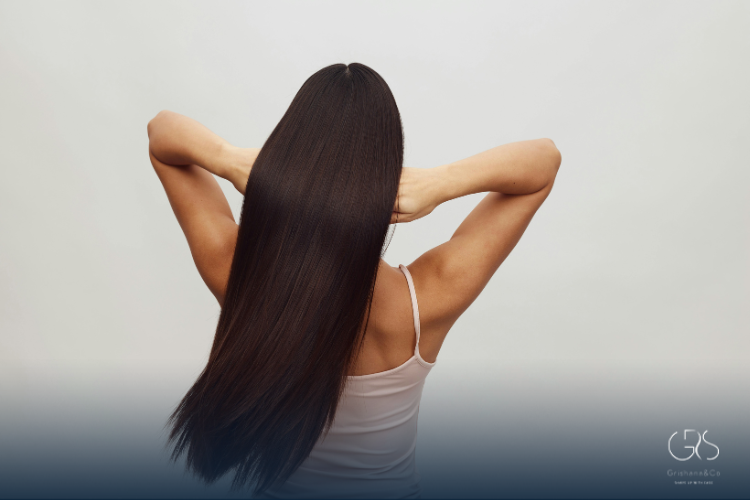
Hair Botox is a professional deep-conditioning hair treatment designed to restore damaged hair fibers, improve texture, and enhance shine without using botulinum toxin. Despite its name, it has nothing to do with injectable Botox used in medicine. The term is cosmetic and metaphorical, referring to its ability to “fill in” damaged areas of the hair shaft in a way that visually smooths and rejuvenates hair. This treatment has gained popularity because it offers visible results without altering hair structure through harsh chemical reactions. From a scientific perspective, its effects rely on hair biology, surface chemistry, and the interaction between conditioning agents and the cuticle layer.
The Science Behind Hair Botox
Human hair is composed mainly of keratin, a fibrous protein arranged in complex structures that give hair its strength and elasticity. When hair is exposed to heat styling, UV radiation, chemical dyes, or environmental stressors, the cuticle becomes damaged, and the cortex underneath loses moisture and structural integrity. Hair Botox treatments work by delivering a concentrated blend of conditioning and reparative ingredients that temporarily bind to damaged sites along the hair shaft. This process reduces porosity and improves light reflection, which explains the smoother and shinier appearance after treatment.
How Hair Damage Happens at the Molecular Level
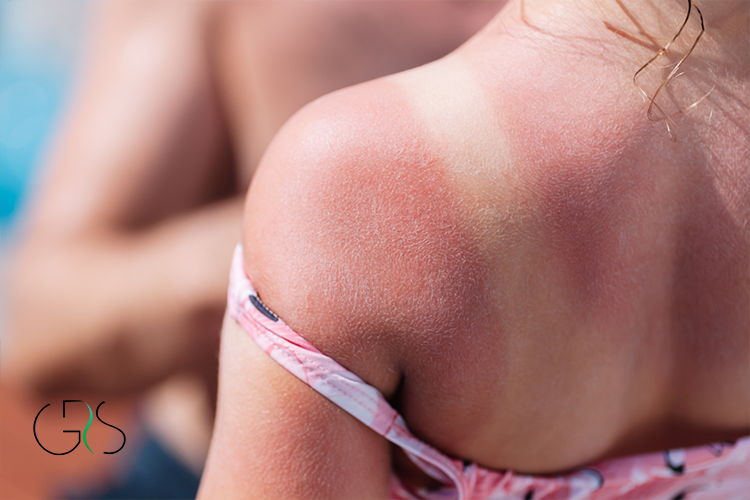
Hair damage begins when the cuticle scales lift or break. Scientific studies using electron microscopy show that repeated chemical processing causes gaps in the cuticle, exposing the cortex. Once this happens, water loss increases and mechanical strength decreases. This is why damaged hair feels rough and breaks easily. Treatments that coat or fill these gaps can improve hair’s cosmetic appearance even if they do not permanently repair the underlying protein bonds.
Why the Term “Botox” Is Used in Hair Care
The word “Botox” is used because the treatment creates a plumping and smoothing effect similar in concept to how injectable Botox reduces wrinkles. In hair care, the “plumping” refers to filling irregularities in the hair fiber with conditioning agents. Scientifically, this is closer to surface repair and fiber coating than biological regeneration, but the visual results can still be impressive.
Key Ingredients and Their Scientific Roles
Most formulations include a combination of amino acids, proteins, lipids, vitamins, and humectants. These ingredients are selected for their ability to interact with keratin and improve hair’s mechanical properties.
Keratin and Amino Acids
Hydrolyzed keratin and amino acids can temporarily adhere to damaged areas of the hair shaft. Research published in the Journal of Cosmetic Science shows that low-molecular-weight proteins penetrate the cuticle more effectively than intact proteins, improving tensile strength and elasticity.
Hyaluronic Acid and Moisture Retention
Hyaluronic acid is widely studied in dermatology for its moisture-binding capacity. When used in hair treatments, it attracts and holds water within the hair fiber, increasing softness and flexibility. This is particularly helpful for dry or chemically treated hair.
Natural Oils and Lipids
Oils such as argan, coconut, or shea butter contain fatty acids that reduce friction between hair fibers. Studies indicate that certain oils, especially coconut oil, can penetrate the hair shaft and reduce protein loss during washing.
Hair Botox vs. Other Smoothing Treatments
It is important to distinguish Hair Botox from keratin straightening, Brazilian blowouts, or chemical relaxers. Those treatments alter the hair’s internal bonds using aldehydes or heat-activated chemicals. In contrast, Hair Botox does not change the natural curl pattern permanently and does not rely on formaldehyde-releasing agents.
Differences in Mechanism of Action
Chemical straightening breaks and reforms disulfide bonds in keratin, leading to long-lasting structural change. Hair Botox works on the surface and upper cortex, providing temporary cosmetic improvement rather than permanent reshaping.
Safety Profile Compared to Chemical Straightening
Because it does not involve aggressive chemicals, Hair Botox is generally considered safer for repeated use. Dermatological reviews emphasize that avoiding formaldehyde reduces the risk of scalp irritation, respiratory exposure, and long-term toxicity.
Who Can Benefit Most from Hair Botox
This treatment is particularly suitable for people with dry, brittle, frizzy, or color-treated hair. It can also help hair that has lost shine due to aging or environmental exposure. Scientific evaluations of conditioning treatments show that hair with higher porosity benefits most from surface-filling and moisture-binding products.
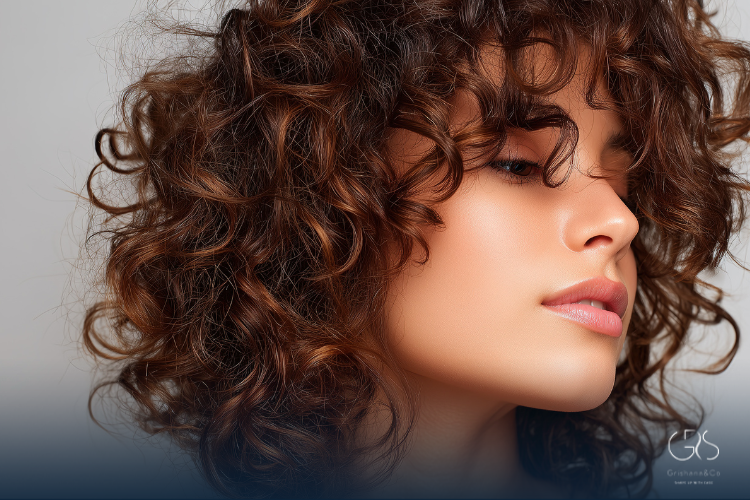
Effects on Curly and Wavy Hair
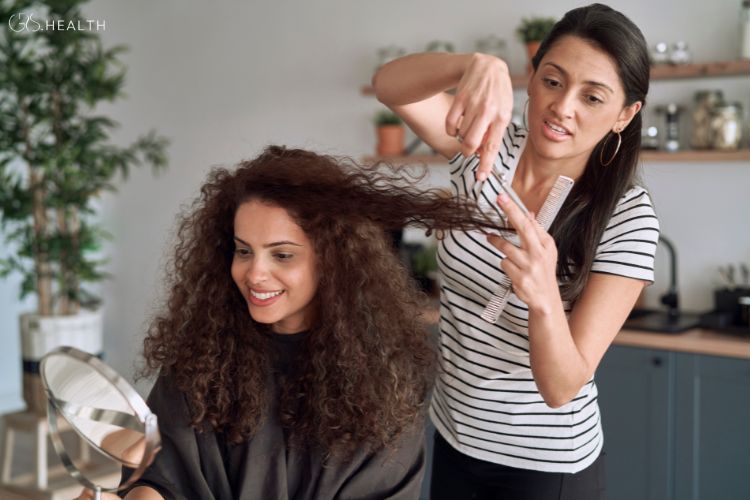
Curly hair tends to be more porous due to its structure. By smoothing the cuticle, the treatment can enhance curl definition while reducing frizz, without eliminating natural texture.
Effects on Fine or Thinning Hair
Fine hair benefits from lightweight formulations that increase smoothness without weighing strands down. However, overuse may cause buildup, so spacing treatments appropriately is important.
How Long Do the Results Last?
The effects of Hair Botox are temporary. Most studies on conditioning polymers suggest that results last between two and four weeks, depending on washing frequency, shampoo type, and environmental exposure. Sulfate-free shampoos help prolong the benefits by reducing surfactant-induced stripping of conditioning agents.
Factors That Influence Longevity
Water hardness, UV exposure, and heat styling all accelerate the loss of conditioning layers. Using protective products and minimizing high heat can extend results.
Is Hair Botox Scientifically Proven?
While there is limited direct clinical research on products marketed specifically as Hair Botox, the individual ingredients are well studied in cosmetic science. Peer-reviewed research supports the effectiveness of proteins, humectants, and lipids in improving hair’s mechanical and sensory properties. The key is understanding that the results are cosmetic and temporary rather than regenerative.
What Science Can and Cannot Claim
Science supports improved smoothness, shine, and manageability. It does not support claims of permanent repair or biological restoration of dead hair fibers, because hair is not living tissue.
Potential Risks and Misconceptions
Hair Botox is generally low risk, but allergic reactions can occur, especially with fragranced or plant-based ingredients. Patch testing is recommended. Another misconception is that it can stop hair loss; scientific evidence does not support this claim.
Regulatory Considerations
Cosmetic products are regulated differently from medical treatments. Always check ingredient lists and avoid products making unrealistic medical claims.
How to Choose a High-Quality Treatment
Look for transparent ingredient lists, absence of formaldehyde donors, and professional application protocols. Evidence-based formulations focus on well-studied conditioning agents rather than marketing hype.
Professional vs. At-Home Options
Professional treatments often use higher concentrations and controlled application, leading to more consistent results. At-home products can still be effective when used correctly but may deliver subtler improvements.
Conclusion
Hair Botox is best understood as an advanced conditioning treatment grounded in cosmetic science rather than medical intervention. By using scientifically supported ingredients that interact with the hair cuticle and cortex, it improves smoothness, shine, and manageability in a safe and temporary way. When expectations are realistic and products are chosen carefully, this treatment can be a valuable option for maintaining healthy-looking hair.
Sources
- MDPI, Performance and Mechanism of Hydrolyzed Keratin for Hair Photoaging Prevention
- Cosmetic Scientists, Penetration of different molecular weight hydrolysed keratins into hair fibres and their effects on the physical properties of textured hair