



Understanding how often haircut timing should occur begins with the biology of your hair. Human hair grows an average of 1–1.25 cm per month, influenced by genetics, hormones, age, and lifestyle. The structure of each strand cuticle, cortex, and sometimes medulla determines how quickly hair becomes fragile, split, or shapeless. Because damage accumulates from heat, UV exposure, and mechanical stress, regular trimming prevents breakage from traveling upward, preserving length and volume. Hair professionals emphasize consistency rather than frequency alone, meaning your optimal schedule depends on your hair’s condition, texture, growth rate, and goals. This makes understanding how often haircut intervals should occur a personalized, science-based strategy.
How Often Haircut Recommendations Differ by Hair Type
Different hair types experience stress and growth in unique ways, making the ideal timing for how often haircut maintenance should occur vary widely. Fine hair has fewer cortex layers, so it breaks more easily, requiring more frequent cuts to maintain shape. Medium hair is more resilient, but overuse of heat can weaken it quickly, shortening its trimming cycle. Thick hair benefits from less frequent salon visits but still needs structured ends to avoid bulky, shapeless growth. Curly and coily hair naturally has more bends per strand, creating weak points where breakage forms faster. Because sebum travels less efficiently along textured hair, dryness accelerates split ends. These biological realities influence how often haircut routines should be set for long-term health.
How Often Haircut Should Be for Short Hair
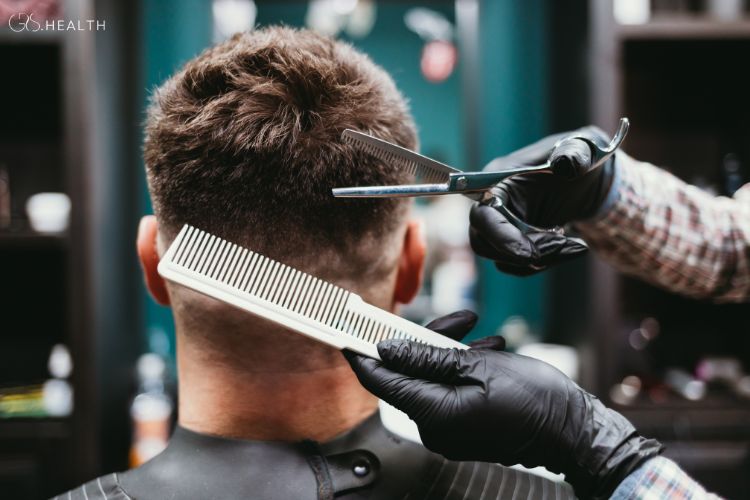
Short styles rely heavily on structure, meaning how often haircut guidelines become more strict. Because growth disrupts shape quickly, trims every 3–6 weeks maintain crisp lines. Even small growth changes the silhouette, and weight distribution shifts noticeably. The goal is not just maintaining health but preserving style integrity. Many barbers and stylists emphasize that short cuts are architectural they depend on proportion, angles, and clean edges.
How Often Haircut Should Be for Medium-Length Hair
Medium-length hair offers more flexibility, but shape still shifts as it grows. Scheduling how often haircut sessions should occur every 6–10 weeks keeps the style balanced and prevents mid-length frizz or triangular volume in wavy and curly hair. This range also helps support healthy cuticle alignment, promoting shine and reducing friction damage from clothing and sleep movement.
How Often Haircut Should Be for Long Hair
Counterintuitively, long hair needs the most strategic planning when deciding how often haircut windows should be set. Although you may want to preserve length, skipping trims allows micro-splits to expand. Long strands have been exposed to years of brushing, heat, and environmental stress. Regular trims every 8–12 weeks keep the ends thick and slow breakage. This also supports length retention because removing minimal damage prevents losing more hair later.

The Science of Split Ends and Their Role in How Often Haircut Timelines Are Set
Split ends—technically known as trichoptilosis—occur when the cuticle layer breaks down, exposing the cortex. Once formed, splits always progress upward; products can temporarily seal them, but they cannot be repaired biologically. This means how often haircut scheduling should happen is directly tied to preventing damage spread. Studies show mechanical wear, heat tools above 150°C, and chemical treatments destroy cuticle integrity faster. Without timely trimming, uneven degradation causes frizz, tangling, loss of elasticity, and thinning. Scientifically, the earlier the intervention, the healthier the hair remains.
How Trimming Supports Hair Growth Goals
Many people believe skipping trims leads to faster hair growth, but this idea doesn’t align with how hair biology actually functions. Hair growth rate is controlled by the follicles beneath the scalp, not by how often the ends are cut. Trimming plays a different but equally important role: it protects length by removing weak, damaged ends before they break further up the strand. When trims are done consistently, they help prevent gradual length loss caused by split ends and breakage. For anyone focused on visible Hair Growth, maintaining a regular trimming schedule,about every 10–12 weeks—keeps the ends thicker, healthier, and allows hair to appear longer and fuller over time.
Lifestyle Factors That Change How Often Haircut Timing Is Needed
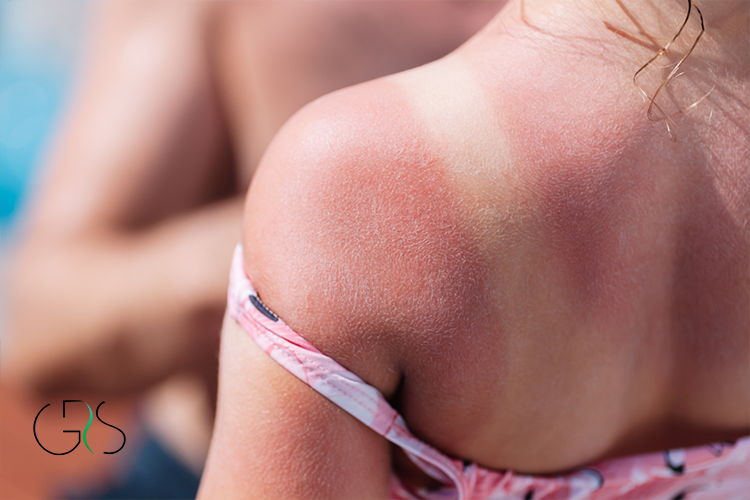
Your daily habits have measurable effects on your hair’s durability. UV exposure oxidizes pigments and weakens protein bonds. Heat styling dehydrates the cortex. Tight hairstyles exert traction force on follicles, causing premature breakage. Even water quality, especially high mineral content, roughens the cuticle. Because of these influences, how often haircut routines should be set becomes dynamic. People with active outdoor lifestyles or frequent heat styling often need trims 2–3 weeks earlier than low-maintenance individuals.
How Aging Affects Your Haircut Timing
As we age, hair diameter decreases and cuticle layers become thinner. This increases fragility, making mature hair more prone to breakage and dryness. The natural decline in sebum production also reduces natural lubrication. Therefore, older adults benefit from adjusting how often haircut schedules occur, typically moving from 10–12 weeks to 6–8 weeks to maintain fullness. Aging also shifts growth cycles, reducing the anagen (growth) phase, making maintenance cuts crucial for appearance.
How Often Haircut Frequency Should Be for Chemically Treated Hair
Coloring, bleaching, perming, or relaxing breaks disulfide bonds—structural connections crucial for strength. This damage accumulates over repeated chemical exposures. For chemically processed hair, how often haircut considerations become essential. Stylists recommend trimming every 6–8 weeks to prevent the weakened ends from fraying. Bleached hair especially requires more careful maintenance due to its porous, dry nature, which makes splits develop faster. Protein and moisture treatments help, but do not replace the need for regular trims.
How Often Haircut Decisions Affect Scalp Health
Healthy hair begins with a healthy scalp. When ends split and tangle, more traction occurs during brushing, leading to inflammation and micro-tears on the scalp surface. This may contribute to increased shedding. Planning how often haircut maintenance occurs protects not only the lengths but the follicle environment. Balanced intervals reduce stress on roots and maintain natural volume distribution.
A Practical Guide for Choosing Your Own Schedule
Since hair biology and lifestyle differ, your personalized plan for how often haircut appointments should be scheduled can follow these scientific guidelines:
Short hair: every 3–6 weeks
Medium hair: every 6–10 weeks
Long hair: every 8–12 weeks
Curly/coily hair: every 8–12 weeks
Fine hair: every 4–6 weeks
Chemically treated hair: every 6–8 weeks
Growing out hair: every 10–12 weeks then adjust
Consider seasonal adjustments as well: summer UV exposure often requires more frequent trims, whereas winter dryness may cause more breakage, modifying your how often haircut planning.
Conclusion
The concept of how often haircut timing should occur is not a one-size-fits-all answer. It depends on the biology of your hair, your daily habits, styling choices, chemical treatments, and personal goals. When you build a thoughtful, consistent trimming routine, you preserve both health and aesthetics. This science-backed approach ensures fuller, shinier, and more manageable hair over time.
Sources
- American Academy of Dermatology, Hair and scalp care
- National Library of Medicine, What is the structure of hair and how does it grow?