



Colorectal cancer remains one of the most common cancers affecting women worldwide, and despite advances in screening and treatment, prevention remains a critical public health goal. In recent years, nutrition research has increasingly focused on how everyday dietary choices may influence long-term cancer risk. Among these findings, a growing body of evidence suggests that something as simple and familiar as drinking a daily glass of milk could play a meaningful role in reducing women’s risk of colorectal cancer. This connection between milk colorectal cancer risk has attracted attention not only because of its potential impact but also because milk is widely accessible, affordable, and already part of many diets across cultures.
Colorectal cancer develops slowly, often over decades, beginning with small precancerous growths in the colon or rectum. Lifestyle factors such as physical inactivity, obesity, smoking, alcohol intake, and diet significantly influence this process. Diets low in fiber and calcium and high in processed meats have been consistently linked to increased risk. In contrast, dairy products, particularly milk, have shown protective associations in large population studies. The idea that milk colorectal cancer risk may be modifiable through daily consumption is supported by long-term observational research involving hundreds of thousands of women followed over many years.
One of the most influential pieces of evidence comes from large prospective cohort studies such as the Nurses’ Health Study and the European Prospective Investigation into Cancer and Nutrition (EPIC). These studies track dietary habits and health outcomes over decades, allowing researchers to observe patterns that emerge over time. Women who reported higher milk and dairy intake consistently showed lower rates of colorectal cancer compared with those who consumed little or no milk. Importantly, these associations remained even after adjusting for other lifestyle factors, strengthening the argument that milk itself plays a protective role rather than merely reflecting healthier overall habits.
Milk Colorectal Cancer and the Role of Calcium
The strongest biological explanation for the link between milk colorectal cancer risk reduction lies in calcium. Milk is one of the richest dietary sources of highly absorbable calcium, a mineral essential not only for bone health but also for normal cellular function in the colon. Calcium binds to bile acids and free fatty acids in the gastrointestinal tract, compounds that can otherwise damage the lining of the colon and promote cancer development. By neutralizing these substances, calcium helps maintain a healthier intestinal environment.
Beyond this binding effect, calcium also influences how cells in the colon grow, differentiate, and die. Healthy cells follow a tightly regulated life cycle, but cancer cells escape these controls. Calcium has been shown to promote normal cell differentiation and trigger apoptosis, the programmed death of abnormal cells. This means that adequate calcium intake may help prevent early abnormal cells from progressing into malignant tumors. These mechanisms provide a strong biological foundation for why milk colorectal cancer risk appears lower among women who consume sufficient dairy.
Vitamin D, often present in fortified milk, further strengthens this protective effect. Vitamin D enhances calcium absorption and has independent anti-cancer properties, including regulation of immune function and inhibition of tumor growth. When milk provides both calcium and vitamin D together, the combined effect may be particularly beneficial for colorectal health. This synergy helps explain why milk often shows stronger protective associations than calcium supplements alone in some studies.

What Large Studies Reveal About Women’s Risk
Large-scale analyses pooling data from multiple cohorts have provided more precise estimates of risk reduction. A comprehensive meta-analysis published in The American Journal of Clinical Nutrition reported that each additional 200–300 grams of milk consumed per day was associated with approximately a 10–15 percent reduction in colorectal cancer risk. For women, this finding is especially relevant because hormonal, metabolic, and dietary factors can influence cancer risk differently than in men. The consistency of results across diverse populations strengthens confidence in the milk colorectal cancer relationship.
Notably, these studies emphasize regular, long-term consumption rather than occasional intake. Women who drank milk daily over many years experienced the greatest protective effect. This suggests that milk’s benefits accumulate gradually, aligning with the slow development of colorectal cancer. It also underscores the importance of sustainable dietary habits rather than short-term dietary changes.
Another important finding is that low-fat and whole milk appear to offer similar protective effects in terms of colorectal cancer risk. This indicates that the benefit is primarily driven by calcium and related nutrients rather than milk fat. For women concerned about cardiovascular health or calorie intake, this means low-fat milk can be a suitable and effective option without compromising potential cancer-protective benefits.
Milk Colorectal Cancer Evidence Compared to Other Dairy Products
While milk has been studied extensively, other dairy products such as yogurt and cheese have also been examined for their role in colorectal cancer prevention. Yogurt, particularly varieties containing live cultures, may offer additional benefits by supporting a healthy gut microbiome. However, the evidence for yogurt is somewhat less consistent than for milk, likely due to variations in sugar content, fermentation processes, and consumption patterns. Cheese, on the other hand, contains calcium but is often higher in saturated fat and sodium, which may offset some benefits when consumed in excess.
Milk stands out because of its relatively simple composition and widespread consumption. It provides calcium in a highly bioavailable form, along with protein, potassium, phosphorus, and often vitamin D. This combination makes it a uniquely effective dietary component in reducing milk colorectal cancer risk without requiring major dietary changes or specialized products.
How Much Milk Is Enough?
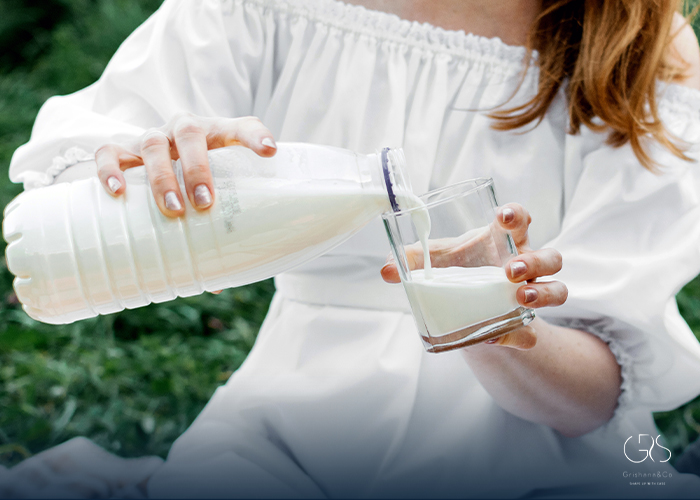
Most studies suggest that one glass of milk per day, roughly 200–250 milliliters, is sufficient to contribute meaningfully to colorectal cancer risk reduction. This amount provides approximately 300 milligrams of calcium, covering a significant portion of the recommended daily intake for adult women. When combined with other dietary sources of calcium such as leafy greens, nuts, and legumes, this intake supports overall health while specifically benefiting the colon.
It is important to note that more is not necessarily better. Extremely high calcium intake, particularly from supplements, has raised concerns about potential adverse effects, including kidney stones and interference with absorption of other minerals. Milk as a food source offers a balanced approach, delivering calcium gradually and in combination with other nutrients that support absorption and utilization.
Milk Colorectal Cancer Prevention in the Context of Overall Diet
Although milk shows promise, it should not be viewed as a standalone solution. Colorectal cancer prevention depends on an overall healthy lifestyle. A diet rich in fiber from fruits, vegetables, and whole grains supports digestive health and reduces inflammation. Limiting processed meats, maintaining a healthy weight, staying physically active, and avoiding smoking and excessive alcohol consumption remain essential strategies. Milk fits naturally into this broader pattern, enhancing nutritional quality rather than replacing other protective behaviors.
For women with lactose intolerance, lactose-free milk provides the same calcium content and appears to offer similar benefits. Plant-based milk alternatives, such as almond or oat milk, can contribute calcium if fortified, but their effectiveness in reducing colorectal cancer risk has not been studied as extensively. This means that while they may support bone health, their role in milk colorectal cancer prevention remains less certain.
Addressing Common Concerns About Milk
Milk consumption has been the subject of debate, with concerns raised about hormones, antibiotics, and saturated fat. Current evidence indicates that milk consumed within recommended amounts is safe for most people. Regulatory agencies strictly monitor hormone and antibiotic residues in dairy products, keeping levels well below thresholds considered harmful. Regarding fat content, choosing low-fat or skim milk allows women to obtain calcium benefits without increasing saturated fat intake.
Another concern involves cancer risk at other sites, such as breast or ovarian cancer. The majority of high-quality studies show neutral or slightly protective associations between milk consumption and these cancers, further supporting the safety of moderate milk intake. Importantly, the evidence for milk colorectal cancer risk reduction is among the strongest and most consistent findings in nutritional epidemiology related to cancer prevention.
Implications for Public Health and Women’s Health
From a public health perspective, encouraging moderate milk consumption could be a simple and cost-effective strategy to reduce colorectal cancer incidence among women. Screening programs remain crucial, but prevention through diet offers additional benefits that extend beyond cancer, including improved bone health and reduced risk of osteoporosis. For women, especially those approaching menopause when bone density loss accelerates, milk provides dual advantages that support long-term well-being.
Healthcare providers increasingly emphasize personalized nutrition, taking into account individual preferences, tolerances, and cultural dietary patterns. Within this framework, milk can be recommended as one of several evidence-based options for supporting colorectal health. Clear communication about realistic amounts and overall dietary balance helps women make informed, sustainable choices without feeling pressured to adopt drastic changes.
Conclusion
The growing scientific evidence supporting a link between daily milk consumption and reduced colorectal cancer risk in women highlights the power of simple dietary habits. The milk colorectal cancer relationship is biologically plausible, consistently observed in large studies, and supported by decades of nutritional research. A single glass of milk per day, consumed regularly as part of a balanced diet, may offer meaningful protection against one of the most common cancers affecting women. While no single food guarantees prevention, milk represents an accessible, affordable, and scientifically supported option that can contribute to long-term colorectal health and overall wellness.
Sources
- World Cancer Research Fund & American Institute for Cancer Research., Diet, nutrition, physical activity and colorectal cancer
- PubMed Central, Postdiagnostic dairy products intake and colorectal cancer survival in US males and females