




Facing heart surgery can feel overwhelming, especially when you don’t know exactly what will happen. Open heart surgery is one of the most well-studied and commonly performed major surgical procedures in modern medicine, yet it often sounds scarier than it truly is. This article walks you through the entire experiencefrom preparation to long-term recovery—in a clear, human, and science-based way, so you can feel informed rather than afraid.
Why Open Heart Surgery Is Performed
Doctors recommend open heart surgery when less invasive treatments cannot adequately treat heart disease. It is commonly used to bypass blocked coronary arteries, repair or replace heart valves, correct congenital heart defects, or treat aneurysms and advanced heart failure. According to large population studies, millions of people worldwide undergo this procedure each year with steadily improving survival rates due to advances in surgical techniques, anesthesia, and postoperative care.
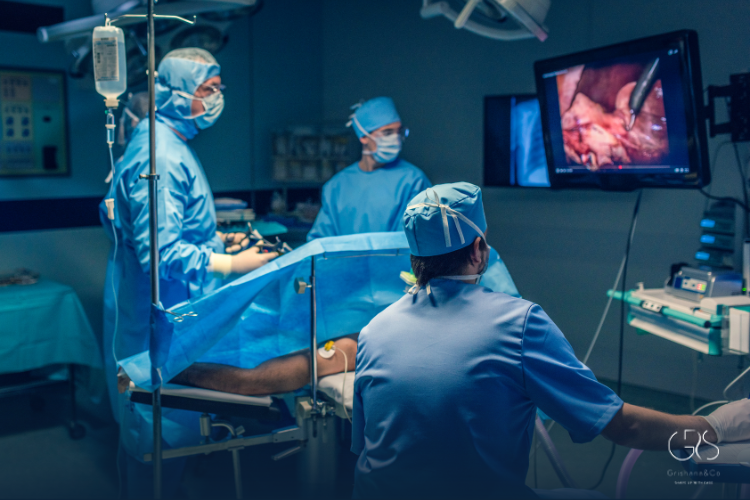
Common Conditions Treated With Open Heart Surgery
Coronary artery disease is the most frequent reason, particularly when multiple arteries are severely blocked. Valve disorders such as aortic stenosis or mitral regurgitation are also common indications. Some patients need surgery to repair holes in the heart present since birth, while others require surgical intervention after heart attacks that have damaged heart structures.
When Surgery Becomes the Best Option
Cardiologists usually recommend surgery only after carefully weighing risks and benefits. When symptoms like chest pain, shortness of breath, or fainting persist despite medication or minimally invasive procedures, surgery may offer the best chance for longer life and improved quality of life.
Preparing for Open Heart Surgery
Preparation begins days or weeks before the operation. This phase is designed to optimize safety and outcomes, both physically and mentally.
Medical Tests Before Open Heart Surgery
Patients undergo blood tests, chest X-rays, electrocardiograms, echocardiography, and often coronary angiography. These tests help surgeons understand heart anatomy, assess overall health, and plan the procedure precisely. Research shows that thorough preoperative evaluation significantly reduces surgical complications.
Medications and Lifestyle Adjustments
Some medications, such as blood thinners, may need to be stopped temporarily, while others are adjusted. Doctors often advise quitting smoking, controlling blood sugar, and improving nutrition before surgery. Even short-term lifestyle changes can improve healing and reduce infection risk.
The Day of Surgery: What Happens
On the day of surgery, patients are admitted to the hospital several hours before the procedure. The environment may feel busy, but every step follows a structured protocol focused on safety.
Anesthesia and Surgical Setup
General anesthesia is administered, meaning you will be fully asleep and pain-free throughout the operation. Modern anesthesia techniques are extremely safe, with continuous monitoring of brain activity, blood pressure, oxygen levels, and heart rhythm.
The Surgical Procedure Step by Step
During open heart surgery, the surgeon makes an incision in the chest and temporarily opens the breastbone to access the heart. In many procedures, a heart-lung machine takes over circulation and oxygen delivery while the heart is stopped. This technology, refined over decades, allows surgeons to operate with precision and minimal risk to vital organs.
What You Experience During Open Heart Surgery
Patients often worry about what they will feel during the operation. The reassuring answer is simple: you will not feel or remember anything during surgery.
Pain Control and Patient Safety
Pain is carefully controlled using anesthesia and postoperative medications. Studies show that modern pain management protocols significantly reduce discomfort and speed up recovery while minimizing opioid use.
How Long Open Heart Surgery Takes
The duration varies depending on the complexity of the procedure. Most operations last between three and six hours. Longer surgeries do not necessarily mean worse outcomes; complexity, not time alone, determines recovery.
Immediate Recovery After Surgery
After surgery, patients are transferred to the intensive care unit for close monitoring during the first critical hours.
ICU Monitoring After Open Heart Surgery
You may wake up connected to monitors, breathing tubes, and drainage lines. This can look alarming, but these tools are temporary and essential for safety. Nurses and doctors monitor heart function, blood pressure, oxygen levels, and signs of bleeding or infection around the clock.
First 24–48 Hours of Healing
Within one or two days, most patients are breathing on their own, sitting up, and beginning gentle movement. Early mobilization has been proven to reduce complications such as blood clots and lung infections.
Hospital Stay and Early Rehabilitation
Once stable, patients move from the ICU to a regular cardiac ward, where recovery continues at a steady pace.
Managing Pain and Mobility
Chest discomfort, muscle soreness, and fatigue are normal. Physical therapists guide patients through safe movements, coughing techniques, and short walks. Research confirms that structured rehabilitation during hospitalization improves long-term outcomes.
Emotional Reactions After Surgery
It is common to experience mood changes, anxiety, or even brief depression. These reactions are linked to inflammation, anesthesia effects, and the emotional impact of major surgery. Studies emphasize that emotional recovery is a normal and temporary part of healing.

Life at Home After Open Heart Surgery
Recovery continues well beyond hospital discharge, typically over several weeks to months.
Activity and Lifestyle After Open Heart Surgery
Patients are encouraged to gradually increase activity while avoiding heavy lifting until the breastbone heals. Cardiac rehabilitation programs, supported by strong clinical evidence, help patients rebuild strength, confidence, and cardiovascular health through supervised exercise and education.
Long-Term Outlook and Heart Health
For most people, open heart surgery leads to significant symptom relief and longer survival. Long-term success depends on adopting heart-healthy habits such as balanced nutrition, regular physical activity, stress management, and adherence to medications.
Risks, Safety, and Scientific Outcomes
No major surgery is without risk, but decades of research provide reassuring data on safety and effectiveness.
Understanding the Real Risks
Potential complications include infection, bleeding, stroke, or irregular heart rhythms. However, large studies show that serious complications are relatively uncommon, especially in experienced centers. Surgical outcomes continue to improve with advancements in technology and perioperative care.
Success Rates Backed by Science
Survival rates for common procedures like coronary artery bypass grafting exceed 95% in many patient groups. Long-term studies demonstrate improved quality of life, reduced symptoms, and lower risk of future heart events for appropriately selected patients.
Final Thoughts: Facing Surgery With Confidence
Open heart surgery is a major life event, but it is also one of the most rigorously studied and refined procedures in medicine. Understanding what to expect can replace fear with confidence and help you actively participate in your recovery. With modern surgical care, compassionate medical teams, and evidence-based rehabilitation, many patients return to full, meaningful lives after surgery.
Sources
- American Heart Association, Heart Disease and Stroke Statistics
- American Heart Association, What Is Coronary Artery Bypass Surgery?
- Navigate Health, Coronary Artery Bypass Graft