


A headache can stop you in your tracks, especially when the pain is focused on one side. If you’ve ever wondered why discomfort keeps showing up on the right side of your head, you’re not alone. A right-side headache is a common experience and, in most cases, it has a clear scientific explanation. Sometimes it’s related to how nerves fire, sometimes to blood vessels, muscles, or even posture and stress. Understanding what’s behind the pain is the first step toward relief and peace of mind. In this article, we’ll explore the real, science-backed causes of a right-side headache, what symptoms mean, and when it’s time to take action.
Understanding How Head Pain Becomes One-Sided
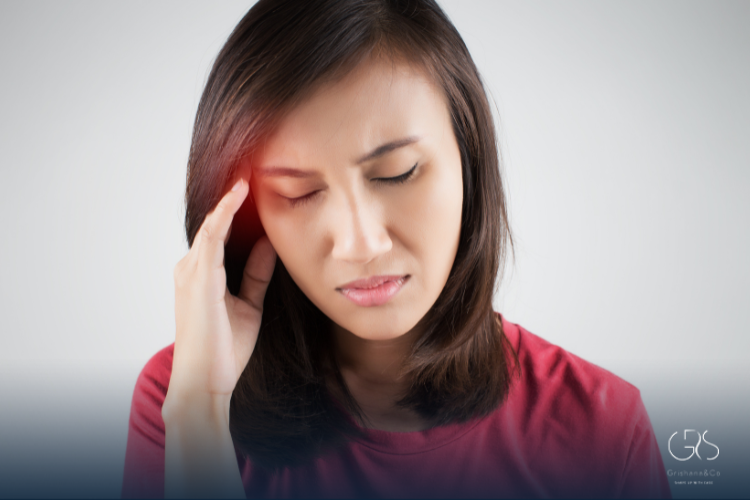
The brain itself doesn’t feel pain, but the structures around it do. Blood vessels, nerves, muscles, and connective tissues all contain pain-sensitive receptors. A right-side headache often happens when one of these structures is irritated or activated on that specific side. Research in neurology shows that pain pathways can be triggered asymmetrically, meaning the right side may hurt while the left feels completely normal. This one-sided pattern is especially common in primary headache disorders like migraine and cluster headache, but it can also appear in tension-related or secondary causes.
Why the Right Side Specifically?
Pain localization depends on which nerves are involved. The trigeminal nerve, one of the main sensory nerves of the face and head, has branches that can transmit pain signals predominantly on one side. Studies using functional MRI have shown that migraine attacks often activate one hemisphere of the brain more than the other, explaining why a right-side headache may recur in the same location.
How Nerves and Blood Vessels Play a Role
Modern headache science emphasizes the interaction between nerves and blood vessels. During certain headaches, blood vessels may dilate while nearby nerves release inflammatory chemicals. This process, known as neurogenic inflammation, has been well documented in migraine research and helps explain why pain can feel throbbing and localized to the right side.
Migraine as a Leading Cause of Right-Side Headache
Migraine is one of the most common explanations for a right-side headache. According to the World Health Organization, migraine affects over one billion people worldwide. Migraines are neurological disorders, not just “bad headaches,” and they frequently present with pain on one side of the head.
Typical Migraine Symptoms
A migraine-related right-side headache is often moderate to severe and may feel pulsating. It’s commonly accompanied by nausea, vomiting, or sensitivity to light and sound. Some people also experience visual disturbances known as aura, such as flashing lights or blind spots, before the pain begins.
Why Migraines Prefer One Side
Research published in The Journal of Headache and Pain shows that migraines tend to activate pain pathways on one side of the brain during an attack. While the affected side can change between episodes, many people notice a consistent pattern, such as pain repeatedly occurring on the right.
Tension-Type Headaches and Muscle Imbalance
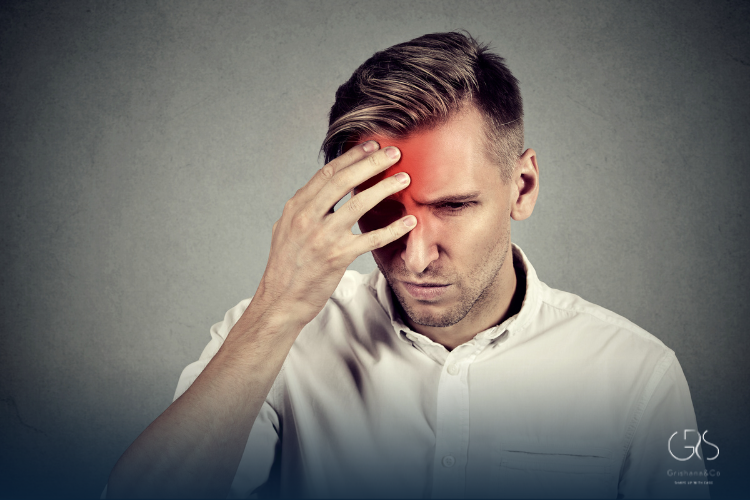
Tension-type headaches are the most prevalent headache disorder globally. While they’re often described as bilateral, they can absolutely present as a right-side headache, especially when muscle tension is uneven.
Stress and Muscle Tightness
Prolonged stress causes muscles in the neck, shoulders, and scalp to contract. If tension is greater on the right side, pain may localize there. Electromyography studies have shown increased muscle activity in people with chronic tension-type headaches.
(Read our article about stress relief.)
Posture and Screen Use
Long hours at a desk or looking down at a phone can strain muscles asymmetrically. Over time, this imbalance may trigger a right-side headache that feels dull, tight, or pressure-like rather than throbbing.
(We recommend that you read this article about tension headache treatment.)
Cluster Headaches and Severe One-Sided Pain
Cluster headaches are less common but extremely intense. They are considered one of the most painful conditions known in medicine and almost always cause one-sided pain.
How Cluster Headaches Feel
A right-side headache caused by cluster headache is typically sharp, burning, or piercing, often centered around the eye or temple. Attacks occur in clusters, meaning several headaches per day over weeks or months.
The Science Behind Cluster Headaches
Studies suggest cluster headaches involve the hypothalamus, a region of the brain that regulates circadian rhythms. This explains why attacks often occur at the same time each day and why pain is strictly one-sided.
Sinus-Related Causes of Right-Side Headache
Sinus problems are another well-known trigger for localized head pain. When the sinuses on the right side become inflamed or blocked, pressure builds and causes discomfort.
Sinus Inflammation and Pressure
Acute sinusitis can irritate pain-sensitive nerves in the sinus cavities. Imaging studies show that inflammation increases pressure in these spaces, leading to a right-side headache that worsens when bending forward.
Differentiating Sinus Pain from Migraine
Interestingly, research in Headache journal reveals that many people who believe they have sinus headaches actually have migraines. True sinus-related right-side headache usually comes with nasal congestion, thick discharge, and sometimes fever.
Nerve-Related Pain and Neuralgia
Nerve disorders can also explain a persistent or sharp right-side headache. These conditions involve direct irritation or damage to cranial nerves.
Occipital Neuralgia
Occipital neuralgia affects nerves running from the upper neck to the scalp. Pain is often described as electric-shock-like and may occur predominantly on the right side. Studies indicate that nerve compression or inflammation is a common cause.
Trigeminal Neuralgia
Although more often associated with facial pain, trigeminal neuralgia can radiate into the head. It produces brief but severe stabbing pain, sometimes perceived as a right-side headache.
Secondary Causes You Shouldn’t Ignore
While most headaches are benign, some secondary causes require attention. A right-side headache that is new, severe, or worsening should never be dismissed.
Head Injury and Trauma
Concussions or minor head injuries can lead to localized headaches. Neuroimaging research shows that inflammation or microvascular changes after trauma may cause pain on one side.
Vascular Issues
Conditions like carotid artery dissection or temporal arteritis can present with unilateral head pain. These are rare but serious and require immediate medical evaluation.
When a Right-Side Headache Signals a Medical Emergency
Most of the time, a right-side headache is not dangerous. However, certain warning signs mean you should seek urgent care.
Red Flags to Watch For
A sudden, severe headache described as “the worst of your life,” headaches with fever and neck stiffness, or pain accompanied by weakness, confusion, or vision loss can indicate serious conditions like stroke or infection.
Why Early Evaluation Matters
Clinical studies consistently show that early diagnosis improves outcomes in secondary headache disorders. Trust your instincts if something feels different or alarming.
How Doctors Diagnose the Cause
Diagnosing the source of a right-side headache involves careful history-taking and, sometimes, imaging or lab tests.
Clinical Evaluation
Doctors assess pain quality, duration, triggers, and associated symptoms. According to neurology guidelines, this step alone identifies the cause in most cases.
Imaging and Tests
MRI or CT scans may be used when red flags are present. Blood tests can help rule out inflammation or infection in suspected secondary causes.
Evidence-Based Treatment Options
Treatment depends entirely on the underlying cause, which is why understanding your headache pattern is so important.
Medications and Acute Relief
Migraines may respond to triptans, NSAIDs, or CGRP inhibitors, all supported by large clinical trials. Tension-type headaches often improve with simple analgesics and stress management.
Lifestyle and Prevention
Regular sleep, hydration, exercise, and posture correction significantly reduce headache frequency. Randomized studies confirm that behavioral interventions can be as effective as medication for some people.
(We recommend that you read this article on ways to get rid of a headache.)
Conclusion
A right-side headache can be unsettling, but science gives us clear answers about why it happens. From migraines and muscle tension to sinus issues and nerve irritation, most causes are well understood and manageable. Paying attention to patterns, associated symptoms, and warning signs empowers you to make informed decisions about your health. If pain is frequent, severe, or changing, professional evaluation is always the safest path. With the right knowledge and care, a right-side headache doesn’t have to control your life.
Sources
- World Health Organization, Migraine and other headache disorders
- WebMD, Headache Locations: A Comprehensive Guide
- National Institutes of Health (NIH), Headache