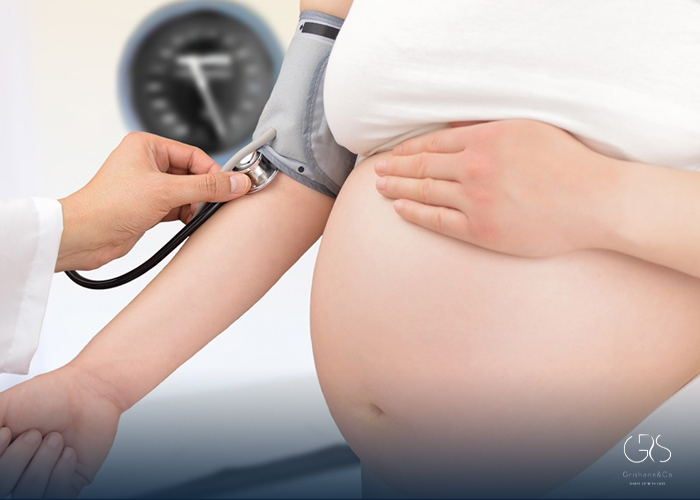




As more women reconsider the timing of motherhood, Pregnancy at 40 has become increasingly relevant. Although biology shifts with age, Pregnancy at 40 can still be healthy with personalized care. Factors such as ovarian reserve and chromosomal changes shape Pregnancy at 40, but outcomes vary widely. Because it falls under advanced maternal age, Pregnancy at 40 simply calls for additional screening, not automatic concern. Some may use assisted reproductive options, yet many achieve Pregnancy at 40 naturally. Questions about egg quality and testing often arise when exploring Pregnancy at 40. With thoughtful preparation, Pregnancy at 40 benefits greatly from early guidance and consistent monitoring. Emotional readiness and stability also strengthen the experience of Pregnancy at 40. For many, choosing Pregnancy at 40 reflects confidence and autonomy. Modern medicine continues to support Pregnancy at 40 with evidence-based tools. Growing global interest in Pregnancy at 40 highlights the need for clear, science-backed information. Ultimately, Pregnancy at 40 remains a valid and empowering reproductive choice.
Understanding Pregnancy at 40 from a Biological Perspective
As more women choose to delay motherhood, understanding how age influences reproductive biology becomes essential. The most significant biological shift around forty involves a natural decline in ovarian reserve, which refers to the number and quality of remaining eggs. Scientifically, this reduction is expected because women are born with a finite number of oocytes that decrease steadily over time. By the age of 40, both egg quantity and quality have diminished compared to earlier years. The primary concern related to egg quality at this age involves chromosomal abnormalities, as aging oocytes have a higher likelihood of errors during cell division. These abnormalities can increase the risk of conditions such as Down syndrome, which becomes more statistically probable as maternal age rises. However, despite these biological changes, many women still conceive naturally in their forties. Hormonal shifts may affect cycle regularity, but ovulation often continues. The key is understanding that while fertility potential declines, it does not disappear instantly.
Some women also experience changes in uterine blood flow, endometrial thickness, and overall reproductive efficiency. Yet research consistently shows that uterine receptivity itself does not drastically decline with age; it is primarily the oocyte that changes. This explains why donor eggs from younger women significantly improve pregnancy outcomes for older mothers. For women considering pregnancy at this life stage, comprehensive fertility evaluation such as ovarian reserve testing, AMH levels, and antral follicle count can provide personalized insight into conception options.
Health Risks and Realistic Expectations During Pregnancy at 40
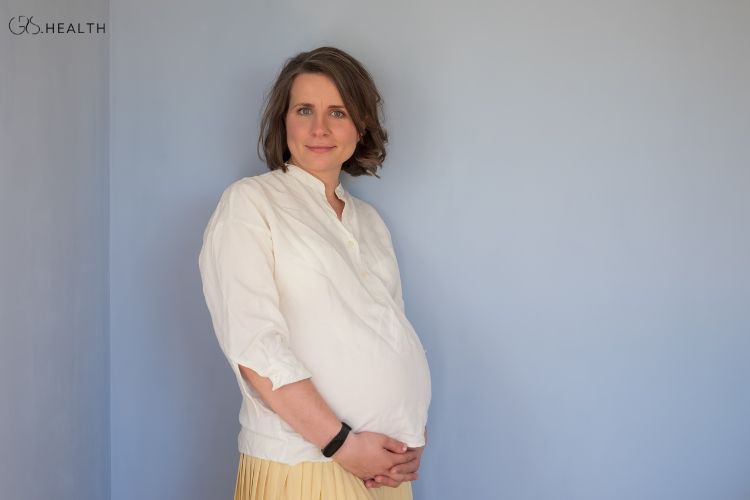
Pregnancy later in life does come with statistically higher risks, but these risks must be viewed in context rather than fear. The most common medical considerations for women over forty include gestational diabetes, preeclampsia, hypertension, placental complications, and an increased chance of cesarean delivery. These risks are influenced not only by age but also by lifestyle, pre-existing conditions, and overall health before conception.
Gestational diabetes is more common with increasing age because insulin resistance tends to rise over time. Maintaining a balanced diet, healthy weight, and regular physical activity before and during pregnancy can significantly reduce the likelihood of this diagnosis. Preeclampsia, a condition involving high blood pressure and organ involvement, becomes more frequent with age, but early prenatal care vastly improves detection and management. Hypertension may be chronic or pregnancy-induced, and careful monitoring helps prevent complications.
Miscarriage risks also rise at forty because most early pregnancy losses result from chromosomal abnormalities, which occur more often in older eggs. Yet it is important to emphasize that miscarriage risk is not a sign of personal failure; it is typically a biological event unrelated to a woman’s actions.
While these risks sound daunting, medical care for pregnancies over forty is advanced, proactive, and highly individualized. With today’s screening tools, specialists can detect and manage issues far earlier than in previous generations. The goal is not simply to avoid complications but to optimize maternal and fetal health through informed decision-making.
Benefits and Unique Strengths of Becoming a Parent at 40
While discussions about later-life pregnancy tend to focus on medical risks, there are meaningful advantages as well. Many women in their forties feel more emotionally grounded, financially secure, and mentally prepared for parenthood. Studies show that older mothers often demonstrate strong stress-management skills, patience, and confidence in caregiving.
At forty, many individuals have established careers, stable relationships, and a clearer sense of identity. This maturity often contributes to more intentional parenting, thoughtful decision-making, and a nurturing environment for children. Some research suggests that children of older parents may experience enriched linguistic and cognitive environments because parents feel more equipped to engage deeply with their child’s development.
Another significant benefit involves autonomy. Women today have greater access to medical technologies, fertility knowledge, and support systems that empower them to choose the right timing for their families. This sense of control and readiness translates into positive pregnancy experiences and stronger postpartum adjustment.
Diagnostic Tools and Prenatal Testing for Later-Life Pregnancies
Scientific advancements have dramatically improved prenatal screening accuracy, especially for older mothers. Non-invasive prenatal testing (NIPT), available as early as 10 weeks, examines fetal DNA in maternal blood to screen for chromosomal conditions with exceptional accuracy. Because the risk of aneuploidy increases with age, NIPT is particularly valuable for women forty and older.
Other optional diagnostic tools include chorionic villus sampling (CVS) and amniocentesis, which provide definitive results because they analyze fetal cells directly. While these procedures carry slight risks, evolving techniques have minimized complications. Ultrasound technologies, such as nuchal translucency scans and detailed anatomy scans, also enhance the ability to detect structural abnormalities early.
The goal of prenatal testing is not to create fear but to offer information, clarity, and choice. Personalized genetic counseling is recommended so families can navigate results with expert guidance tailored to their values and medical needs.
Natural Conception, IVF, and Fertility Options for Women at 40
Many women at forty can conceive naturally if they have regular cycles and no major reproductive conditions. However, it is common for conception to take longer due to egg availability and timing. After six months of trying without success at this age, fertility evaluation is advisable.
Assisted reproductive technologies (ART) expand the possibilities for women seeking pregnancy at forty. In vitro fertilization (IVF) is the most common treatment and may include preimplantation genetic testing (PGT-A) to examine embryos for chromosomal abnormalities. This testing helps identify embryos with the best chance of successful implantation and healthy pregnancy.
Success rates using a woman’s own eggs at forty vary but are significantly higher with donor eggs from younger women. Donor egg IVF can provide excellent outcomes because the primary limiting factor—egg quality—is bypassed. Many women also explore fertility preservation, such as egg freezing, earlier in life to use later.
Lifestyle factors significantly influence fertility at forty. Maintaining a healthy BMI, avoiding smoking, moderating alcohol intake, managing stress, and optimizing nutrition can all support hormonal balance and reproductive health. Supplements like folic acid, vitamin D, and omega-3 fatty acids may provide additional support, though personalized guidance is essential.
(To learn more about Vitamin D benefits please refer to this article)
Preparing the Body and Mind for a Healthy Pregnancy in Your 40s
Preconception preparation is especially valuable for women in their forties. A comprehensive check-up can address chronic conditions such as thyroid disorders, diabetes, hypertension, anemia, or reproductive conditions like fibroids. Optimizing these health factors before conception improves outcomes and reduces complications.
Nutrition plays a central role. A diet rich in whole grains, lean proteins, healthy fats, and antioxidants supports hormonal health and reduces inflammation. Regular exercise enhances cardiovascular function and strengthens the body for pregnancy and childbirth. Stress reduction techniques.such as yoga, mindfulness, breathing exercises, and therapy can improve both fertility and emotional well-being.(Please refer to our article on the benefits of breathing exercises for more information)
Mental preparation is equally important. Women at this age often navigate complex emotions, from excitement to uncertainty. Access to supportive relationships, pregnancy groups, or counseling can help maintain emotional balance throughout the process. Through both physical and mental readiness, women can enter pregnancy with confidence, resilience, and empowerment.
What to Expect During Pregnancy, Birth, and Postpartum at 40
Pregnancy in the forties tends to involve more frequent monitoring, not because complications are inevitable, but because early detection allows for proactive management. Prenatal visits might include more ultrasounds, glucose tests, and blood pressure checks. Many women experience healthy, uncomplicated pregnancies even with these additional evaluations.
Labor and delivery outcomes vary depending on maternal health, fetal position, cervical readiness, and medical considerations. While cesarean rates are higher in older mothers, many still achieve vaginal births with proper monitoring. Birth plans remain entirely possible and can be tailored to incorporate preferences while maintaining safety.
Postpartum recovery may require additional attention because healing can be slightly slower with age. Support systems, nutrition, hydration, rest, and mental health care become vital components of recovery. Women in their forties often balance newborn care with career responsibilities, making support networks especially beneficial. Yet many mothers report feeling more confident, patient, and emotionally grounded compared to earlier years.
Long-Term Health Considerations for Mothers and Children
Long-term research shows that outcomes for children born to older mothers are overwhelmingly positive. Infants typically develop normally, and many studies suggest benefits such as stronger language skills and social behaviors. For mothers, maintaining cardiovascular health, bone density, and metabolic balance remains important after pregnancy.
Some evidence suggests that late-age pregnancy may even have protective effects on longevity and cognitive function, potentially associated with hormonal factors or lifestyle differences. Ongoing preventive care, including regular heart health screenings and balanced nutrition, supports well-being well beyond childbirth.

Conclusion
Pregnancy in the forties is neither rare nor inherently unsafe. It is a modern reality shaped by advancing science, evolving lifestyles, and increasing reproductive autonomy. Although biological and medical factors require awareness, they should not overshadow the many strengths, capabilities, and resources available to women at this age. With evidence-based guidance, personalized healthcare, and emotional support, women at forty can confidently pursue motherhood in ways that honor both their aspirations and their health. The journey may involve more planning, but it is unquestionably achievable, meaningful, and deeply rewarding for countless individuals around the world.
Sources
- Mayo Clinic., Pregnancy after 35: Healthy pregnancies, healthy babies
- American College of Obstetricians and Gynecologists (ACOG)., Having a Baby After Age 35: How Aging Affects Fertility and Pregnancy