



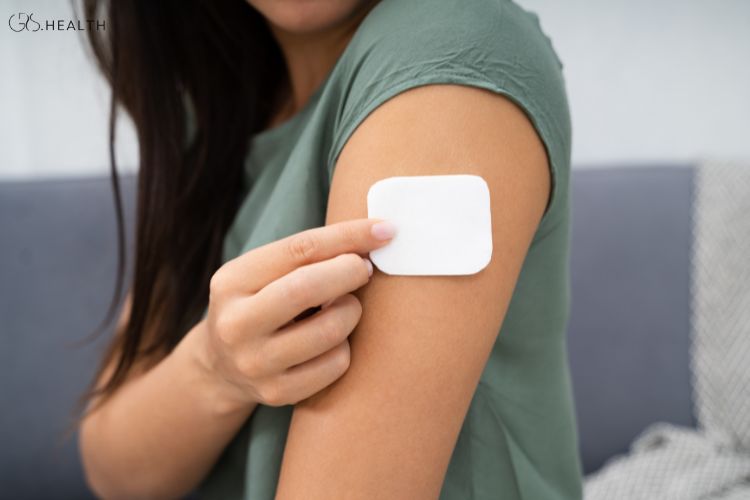
The birth control patch is a modern hormonal contraceptive designed to prevent pregnancy through continuous hormone delivery via the skin. It is a small, thin adhesive square that sticks to the body and releases two synthetic hormones—estrogen and progestin—into the bloodstream. These hormones are similar to those used in combined oral contraceptive pills, but instead of daily ingestion, the medication is absorbed transdermally over the course of a week. This method offers an alternative for people who want effective pregnancy prevention without remembering a daily pill. Regulatory agencies such as the U.S. Food and Drug Administration have approved this method based on extensive clinical research demonstrating both safety and efficacy.
How Hormonal Patches Prevent Pregnancy
Hormonal contraceptive patches work by altering the body’s natural reproductive cycle. Once applied to the skin, the patch steadily releases hormones that suppress ovulation, meaning the ovaries do not release an egg. Without ovulation, fertilization cannot occur. In addition, these hormones thicken cervical mucus, making it difficult for sperm to travel through the cervix, and thin the uterine lining, which reduces the likelihood of implantation. This multi-level mechanism is well documented in reproductive health literature and mirrors the action of other combined hormonal contraceptives.
Hormones Used in the Birth Control Patch
Most patches contain ethinyl estradiol and a synthetic progestin such as norelgestromin or levonorgestrel. These compounds have been extensively studied and used in contraception for decades. Peer-reviewed research published in journals such as Contraception confirms that these hormones reliably suppress ovulation when delivered consistently. Because the hormones are released gradually, users often experience stable hormone levels throughout the week.
How Transdermal Absorption Works
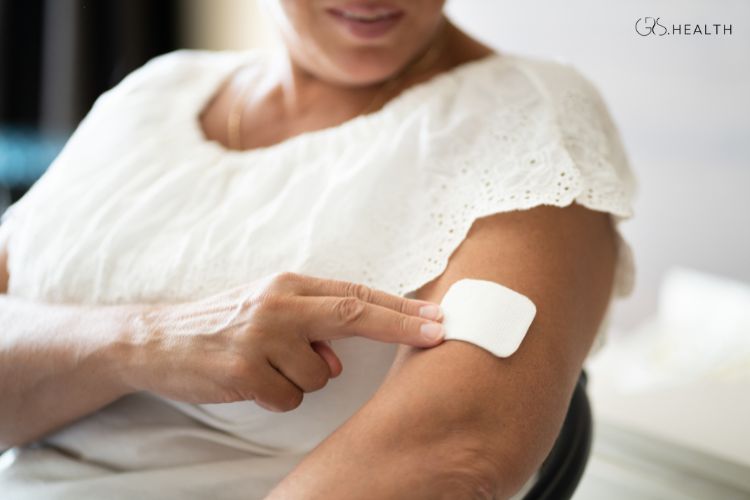
Transdermal absorption allows medication to pass directly through the skin into the bloodstream, bypassing the digestive system and liver metabolism. From a pharmacological perspective, this delivery method can reduce fluctuations in hormone levels compared to oral dosing. Studies in the Journal of Clinical Pharmacology have shown that weekly patches maintain therapeutic hormone concentrations as long as they remain properly adhered to the skin.
Effectiveness of the Birth Control Patch
With perfect use, this contraceptive method is more than 99% effective at preventing pregnancy. Typical use, which accounts for real-life factors such as delayed patch changes or partial detachment, results in an effectiveness rate of approximately 91%. These figures are supported by population-based studies from the Centers for Disease Control and Prevention. Effectiveness depends largely on consistent weekly replacement and correct application.
Perfect Use vs Real-World Use
Perfect use means applying a new patch on the same day each week for three consecutive weeks, followed by a patch-free week. Typical use reflects common mistakes, such as forgetting to replace the patch on time. Research shows that methods requiring less frequent action, such as weekly application, often improve adherence compared to daily pills.
How to Use the Birth Control Patch Correctly
Correct usage is essential for reliable pregnancy prevention. A patch is worn continuously for seven days, then replaced weekly for three weeks. The fourth week is patch-free, during which withdrawal bleeding usually occurs. A new cycle begins after seven days. The patch should be applied to clean, dry skin without lotions or oils to ensure proper adhesion and hormone absorption.
Best Placement Areas on the Body
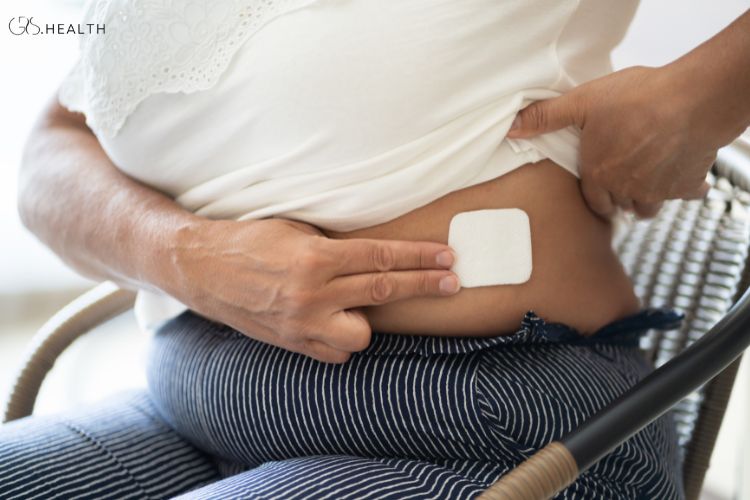
Recommended areas include the upper arm, abdomen, upper back, or buttocks. It should not be placed on the breasts or irritated skin. Rotating placement sites may reduce skin irritation. These recommendations are supported by clinical guidelines from the American College of Obstetricians and Gynecologists.
What Happens If the Patch Falls Off?
If the patch detaches for less than 24 hours, it can usually be reapplied or replaced without affecting protection. If it has been off longer, backup contraception is advised for seven days. Pharmacokinetic studies show hormone levels decline when detachment exceeds 24 hours, increasing pregnancy risk.
Benefits Beyond Pregnancy Prevention
In addition to contraception, this method offers several health benefits. Many users experience more predictable menstrual cycles, lighter bleeding, and reduced cramps. Hormonal regulation may also improve acne and lessen premenstrual symptoms. Long-term observational studies indicate that combined hormonal contraceptives reduce the risk of ovarian and endometrial cancers.
Convenience and Weekly Dosing
One of the most appealing features is the weekly schedule. Compared to daily pills, this can reduce missed doses and improve overall satisfaction. Research published in Obstetrics & Gynecology reports that users often cite convenience as a major reason for continued use.
Hormonal Regulation and Menstrual Health
By stabilizing hormone levels, the patch may help manage conditions such as polycystic ovary syndrome and heavy menstrual bleeding. Reduced blood loss can lower the risk of iron-deficiency anemia, a benefit supported by clinical reviews in The Lancet.
Risks and Possible Side Effects
As with all estrogen-containing contraceptives, there are potential side effects. Common short-term effects include nausea, breast tenderness, headaches, and mild skin irritation. These symptoms often decrease after the first few months as the body adapts to hormonal changes.
Blood Clot Risk and Estrogen Exposure
Research indicates a small increased risk of blood clots compared to non-use of hormonal contraception. Because estrogen exposure may be slightly higher with transdermal delivery, individuals with risk factors such as smoking, obesity, or clotting disorders should avoid this method. Evidence from The BMJ shows that while the absolute risk remains low, careful screening is essential.
Who Should Not Use This Method
People over 35 who smoke, those with a history of venous thromboembolism, uncontrolled hypertension, certain migraine types, or estrogen-sensitive cancers should not use estrogen-based contraceptives. Medical evaluation before starting is strongly recommended.
Comparing the Birth Control Patch With Other Methods
When choosing contraception, personal preference, health history, and lifestyle all matter. Compared to oral contraceptives, the patch offers similar effectiveness with less frequent dosing. Compared to long-acting reversible methods such as intrauterine devices, it provides more immediate control but requires more user involvement.
Patch vs Oral Contraceptives
Both rely on the same hormonal principles, but weekly application may improve adherence for some users. However, individuals sensitive to estrogen levels may tolerate pills better.
Patch vs Long-Acting Options
Long-acting methods have the highest effectiveness due to minimal user error, but they require medical procedures. The patch appeals to those who want non-invasive, reversible contraception.
Long-Term Safety and Scientific Evidence
Decades of research support the long-term safety of combined hormonal contraception for appropriate candidates. Large cohort studies demonstrate no lasting negative effects on fertility after discontinuation. Ovulation typically resumes within one to three months.
Fertility After Stopping Use
According to studies published in The New England Journal of Medicine, hormonal contraception does not delay long-term fertility. Pregnancy rates after discontinuation are comparable to those of the general population.
Future Research and Innovation
Ongoing research focuses on lowering hormone doses and improving adhesive technology to enhance safety and comfort. Advances in transdermal systems may lead to even more refined contraceptive options.
Conclusion
The birth control patch offers an effective, convenient, and scientifically validated option for pregnancy prevention. By combining reliable hormone delivery with a simple weekly routine, it meets the needs of many people seeking flexible reproductive control. Understanding its benefits, limitations, and safety profile allows individuals to make informed decisions alongside healthcare providers.
Sources
- Cochrane Review, Skin patch or vaginal ring compared to pills for birth control
- Cornell Health, The Contraceptive Patch
- Planned Parenthood, How effective is the birth control patch?