

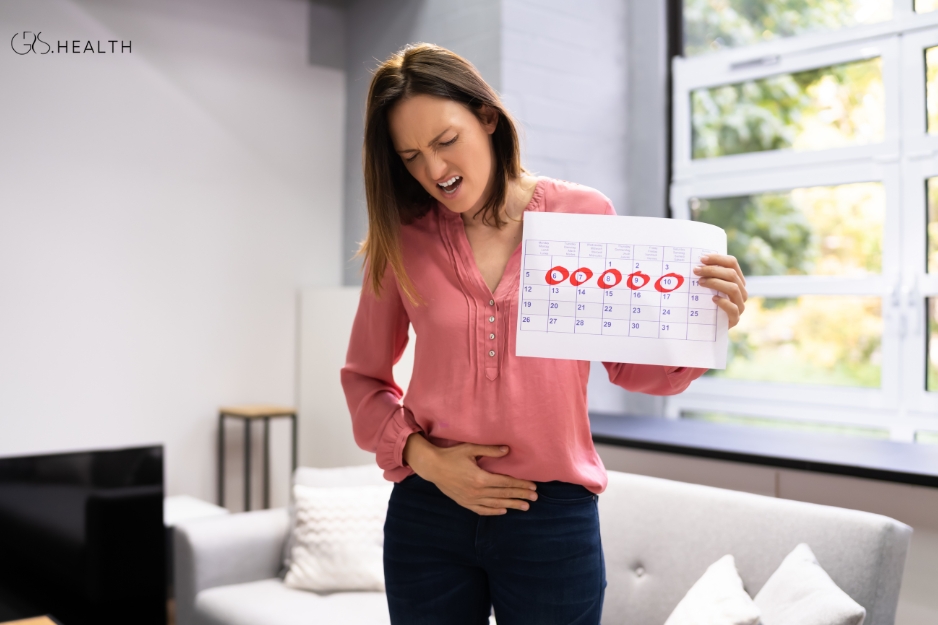
Returning to your period after pregnancy can feel confusing, unpredictable, and surprising even if it’s not your first baby. Your body has just completed one of the most complex hormonal transformations in human biology, so it makes sense that your menstrual cycle needs time to reset. In this science-based guide, you’ll learn what actually happens biologically, what’s normal, what isn’t, and how long it typically takes for your period after pregnancy to return to its rhythm. Everything here is friendly, accurate, and rooted in published medical evidence not myths.
How Hormones Reset Your Body for Your Period After Pregnancy
Your first period after pregnancy is controlled almost entirely by hormonal recalibration. During pregnancy, estrogen and progesterone rise dramatically. After childbirth, both drop rapidly within 48 hours to pre-pregnancy levels. This sharp decline triggers milk production but also creates temporary hormonal chaos. The hypothalamus and pituitary gland must “wake up” the reproductive system again, restarting ovulation.
According to studies published in The Journal of Clinical Endocrinology & Metabolism, ovulation can return as early as 45 days postpartum in non-breastfeeding women. But for many, it takes longer, especially if they are breastfeeding.
Why Prolactin Delays Your Period After Pregnancy
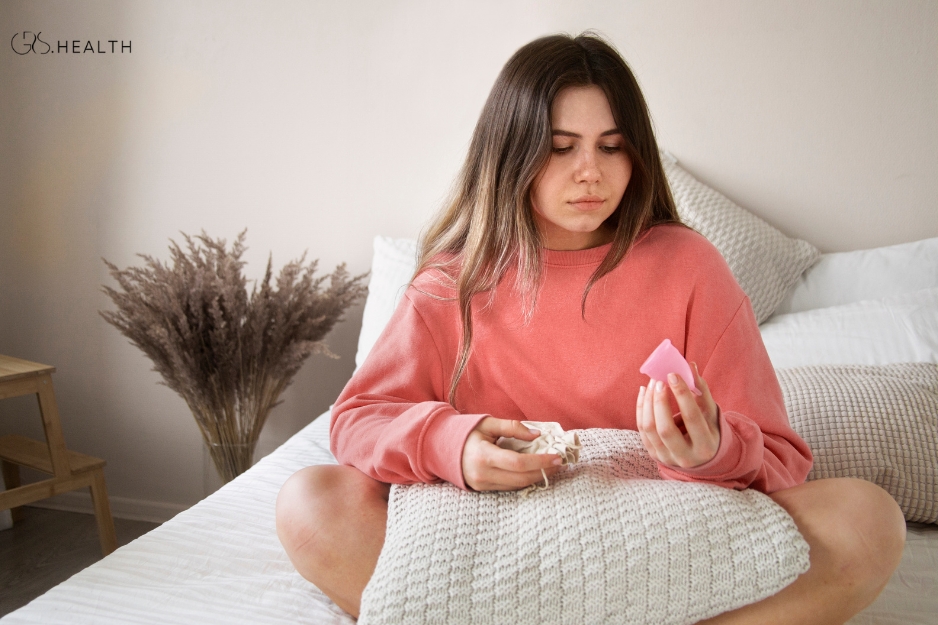
Prolactin, the hormone responsible for milk production, suppresses ovulation. The more frequently and exclusively you breastfeed, the higher your prolactin stays—and the longer your cycle may be paused. Research shows that exclusive breastfeeding can delay menstruation for three to six months or even longer.
Estrogen Rebound and Cycle Regulation
After childbirth, estrogen gradually rises again. This is necessary to thicken the uterine lining, stabilize the endometrium, and prepare for ovulation. Your period after pregnancy may not fully regulate until estrogen finds its new balance.
When You Can Expect Your Period After Pregnancy to Return
There is no universal timeline. Every postpartum body moves at its own pace, but science gives us reliable averages.
If You Are Not Breastfeeding
Most non-breastfeeding women experience their period after pregnancy between 6–12 weeks postpartum. Some regain ovulation earlier, but bleeding before six weeks is usually postpartum lochia, not a true period.
If You Are Exclusively Breastfeeding
Exclusive breastfeeding often delays the period after pregnancy to 4–6 months or more. Some women do not menstruate until they reduce night feeds or introduce solids. This natural delay is called lactational amenorrhea, a biologically normal phenomenon identified in multiple reproductive studies.
If You Are Mixed Feeding
Combination feeding leads to hormone fluctuations. The first period after pregnancy may return anytime from 8 weeks to 4 months because prolactin levels vary with feeding frequency.
What Your First Period After Pregnancy Might Look Like
Your first period after pregnancy may not resemble your pre-baby cycle at all. The uterus has healed from placental separation, your cervix has remodeled, and your hormone levels are still stabilizing. Variations are completely normal.
Heavier or Lighter Flow
Many women report heavier initial periods because more uterine lining has built up. Others experience lighter periods due to low estrogen levels early in postpartum recovery. Both patterns are supported by research in Obstetrics & Gynecology International.
Irregular Timing
Your first several cycles may be spaced far apart or come sooner than expected. Ovulation may not occur every cycle at first. Irregularity is common until hormone patterns reestablish.
Increased Cramping
After childbirth, the uterus is more sensitive to prostaglandins—the hormones responsible for contractions. This can make cramps stronger or weaker compared to before pregnancy.
Small Clots Can Be Normal
Postpartum changes to the uterus and cervix may cause mild clotting during your period after pregnancy. As long as clots are small, it’s typically not a concern.
(If you’re interested in reading this article on facts about periods.)
How Breastfeeding Affects Your Period After Pregnancy
Breastfeeding has one of the strongest impacts on when and how your period returns.
Frequent Feeds Keep Ovulation Suppressed
Feeding every 2–3 hours, especially overnight, maintains high prolactin and reduces the chance of ovulation returning.
When Your Baby Starts Sleeping Longer
As night feeds drop, prolactin naturally decreases. This can trigger your first period after pregnancy, even if you’re still breastfeeding.
Pumping vs Direct Nursing
Pumping typically produces lower prolactin surges than direct nursing, which may cause periods to return sooner for some women.
How C-Section vs Vaginal Birth Influences Your Period After Pregnancy
Delivery method doesn’t directly determine when your period after pregnancy returns, but it can influence recovery.
Healing Time Differences
C-section recovery may temporarily slow the body’s hormonal regulation because more healing energy is directed to surgical repair.
Uterine Involution Timing
Research shows uterine involution—the process of shrinking back to normal—takes slightly longer after a C-section, which may delay the first postpartum period by a few weeks in some cases.
What’s Normal and What’s Not in Your Period After Pregnancy
Most changes are harmless, but some symptoms need medical evaluation.
When Heavy Is Too Heavy
If you’re soaking a pad every hour for two hours straight, or passing clots larger than a golf ball, call your doctor.
Signs of Infection
Fever, foul-smelling discharge, or severe abdominal pain during your period after pregnancy may indicate infection—and require immediate care.
When Irregular Cycles Last Too Long
It’s normal for cycles to take months to regulate. However, if cycles remain unpredictable after nine months postpartum (and you’re not breastfeeding), consider hormone testing.
PMS and Mood Changes in Your Period After Pregnancy
Your emotional experience may shift radically.
Postpartum Hormones and Mood
Estrogen and progesterone fluctuations interact with neurotransmitters like serotonin. This can intensify PMS temporarily during early postpartum cycles.
Sleep Deprivation Makes Symptoms Worse
Sleep fragmentation is proven to heighten irritability, anxiety, and physical discomfort.
When To Seek Support
If mood swings feel overwhelming or resemble postpartum depression, talk to a healthcare professional. Hormonal cycles can amplify lingering emotional stress.
Can You Get Pregnant Before Your First Period After Pregnancy?
Yes—science is very clear on this.
Ovulation Comes First
You ovulate before your first period after pregnancy, meaning you can conceive without ever seeing a menstrual cycle.
Breastfeeding Isn’t Guaranteed Birth Control
Although lactational amenorrhea can suppress ovulation, it is only reliable under strict conditions: exclusive breastfeeding, baby under six months, and feeding intervals no longer than four hours.
Supporting a Healthy Cycle After Your Period After Pregnancy Returns
Your postpartum menstrual cycle benefits from supportive habits.
Nourish With Recovery-Focused Nutrition
Iron, omega-3s, B-vitamins, and protein support hormonal balance and help rebuild nutrient stores depleted during pregnancy.
Gentle Movement Helps Regulation
Light exercise improves circulation and reduces prostaglandin sensitivity, helping ease cramps and regulate cycles.
Listen to Your Body’s Signals
Your period after pregnancy can be an indicator of broader hormonal recovery. Consistent discomfort or extreme irregularity deserves attention.
Conclusion
Your period after pregnancy is a natural sign that your reproductive system is recalibrating after one of the most profound hormonal shifts the body ever experiences. A wide range of timing, flow patterns, and symptoms can be completely normal. Breastfeeding, healing, sleep, stress, and individual biology all shape how and when your cycle returns. By understanding the science behind these changes, you can navigate the postpartum months with more confidence and less worryand know when something deserves medical attention. Your body is finding its new rhythm, one cycle at a time.
Sources
- La Leche League International, Menstruation and Breastfeeding
- ACOG, Optimizing Postpartum Care
- Cleveland Clinic, Postpartum