


Teeth cleaning is one of those dental habits many people know they should do, but not everyone fully understands why it matters beyond having a brighter smile. If you’ve ever wondered what actually happens during a professional cleaning or how it affects your overall health, you’re not alone. Science has a lot to say about the teeth cleaning benefits, from preventing gum disease to supporting heart health. In this article, we’ll explore what research really shows about dental cleanings, how they work, and why they’re far more important than just cosmetic care.
Understanding Teeth Cleaning Benefits
When dentists talk about cleaning, they’re referring to more than brushing and flossing at home. Professional teeth cleaning targets plaque and tartar that regular oral hygiene simply can’t remove. The teeth cleaning benefits begin with disrupting harmful bacterial communities before they cause irreversible damage.
Scientific studies consistently show that routine professional cleanings reduce the risk of cavities, gum disease, and tooth loss. According to the American Dental Association, removing plaque biofilm is essential because it houses bacteria responsible for inflammation and decay.
How Dental Plaque and Tartar Affect Oral Health
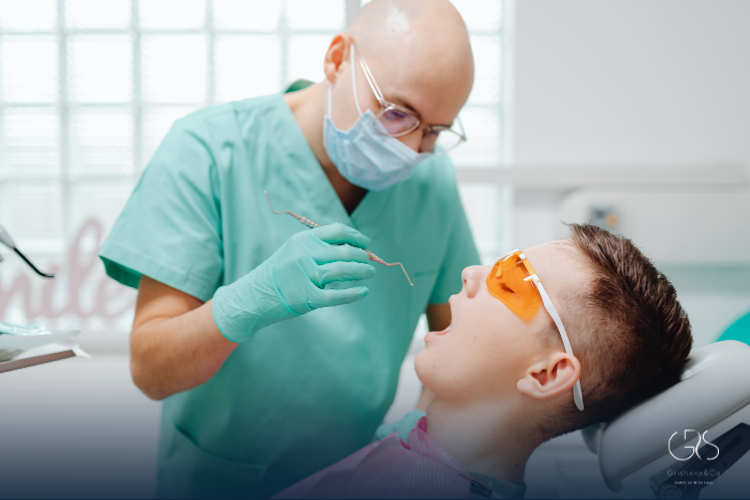
Plaque is a sticky film of bacteria that forms on teeth daily. If not removed, it hardens into tartar, which cannot be eliminated with a toothbrush alone. Tartar creates a rough surface where more bacteria can thrive.
Research published in the Journal of Periodontology explains that tartar accumulation significantly increases the risk of gingivitis and periodontitis. One of the most overlooked teeth cleaning benefits is stopping this cycle early before inflammation turns into bone loss.
The Science Behind Professional Teeth Cleaning
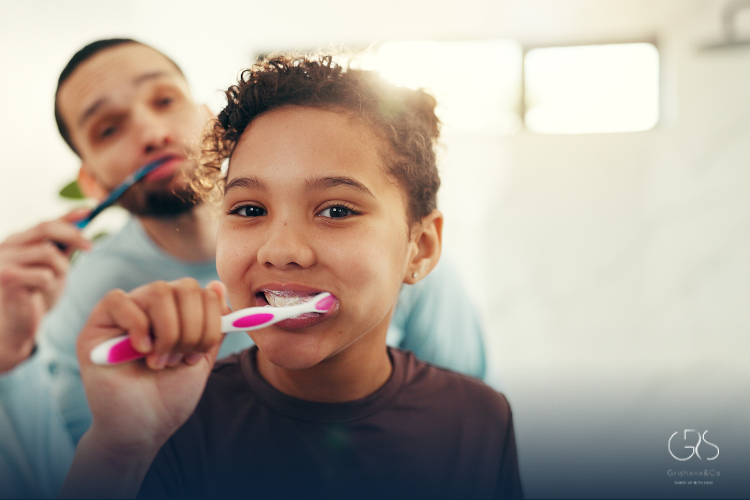
Professional cleanings are evidence-based procedures designed to protect both teeth and gums. Dental hygienists use specialized instruments to reach areas that brushing misses.
Multiple clinical trials have demonstrated that professional scaling and polishing reduce bacterial load and gingival inflammation. This scientific foundation is why dentists worldwide recommend cleanings every six months for most people.
What Happens During a Professional Cleaning
A standard cleaning includes scaling to remove plaque and tartar, polishing to smooth enamel surfaces, and sometimes flossing and fluoride application. Each step plays a role in maximizing teeth cleaning benefits.
Polishing reduces surface roughness, making it harder for bacteria to reattach. Fluoride strengthens enamel, increasing resistance to acid attacks.
Why Home Care Alone Is Not Enough
Even with excellent brushing and flossing habits, plaque can hide below the gumline and between teeth. Studies show that toothbrush bristles cannot reach periodontal pockets effectively.
Professional tools and trained techniques are essential for disrupting biofilms in these areas, which explains why home care cannot replace professional dental cleaning.
Teeth Cleaning Benefits for Gum Health
Healthy gums are the foundation of a healthy mouth. Gingivitis, the earliest stage of gum disease, is reversible with proper care.
Clinical research confirms that regular cleanings significantly reduce gum bleeding, swelling, and redness. One of the most immediate teeth cleaning benefits patients notice is less gum irritation and fresher breath within days of treatment.
Preventing Gingivitis and Periodontitis
If gingivitis is left untreated, it can progress to periodontitis, a serious condition that damages bone and connective tissue. Periodontitis is one of the leading causes of tooth loss in adults.
A systematic review in the Cochrane Database found that professional plaque removal lowers the progression of periodontal disease when combined with good oral hygiene.
Reducing Inflammation in the Mouth
Chronic oral inflammation doesn’t stay confined to the gums. Inflammatory markers in periodontal disease can enter the bloodstream.
By reducing bacterial load and inflammation, dental cleanings support a healthier immune response, which is one of the lesser-known teeth cleaning benefits.
The Role of Teeth Cleaning in Cavity Prevention
Cavities develop when acid-producing bacteria break down tooth enamel. Plaque removal is the first line of defense against this process.
Scientific evidence shows that people who receive regular professional cleanings experience fewer cavities over time, especially when cleanings are combined with fluoride treatments.
Enamel Protection and Fluoride
Fluoride remineralizes weakened enamel and makes it more resistant to acid. Many professional cleanings include fluoride varnish or gel.
Research published in Community Dentistry and Oral Epidemiology demonstrates that fluoride application significantly reduces decay risk in both children and adults.
Early Detection of Dental Problems
During a cleaning appointment, dental professionals also examine teeth and gums for early signs of decay, cracks, or infection.
Early detection allows for minimally invasive treatment, saving time, money, and discomfort. This preventative aspect is a crucial part of teeth cleaning benefits.
Teeth Cleaning Benefits Beyond the Mouth
Oral health and overall health are closely connected. The mouth can act as a gateway for bacteria to enter the body.
Growing scientific evidence links periodontal disease with systemic conditions such as heart disease, diabetes, and respiratory infections.
Oral Health and Heart Disease
Studies published in the Journal of the American Heart Association suggest an association between gum disease and cardiovascular disease.
While cleanings do not replace medical treatment, maintaining good oral hygiene and reducing inflammation may lower cardiovascular risk factors.
Diabetes and Blood Sugar Control
People with diabetes are more susceptible to gum disease, and gum disease can worsen blood sugar control.
Research shows that periodontal treatment, including regular cleanings, can modestly improve glycemic control, highlighting additional teeth cleaning benefits for metabolic health.
Cosmetic and Psychological Teeth Cleaning Benefits
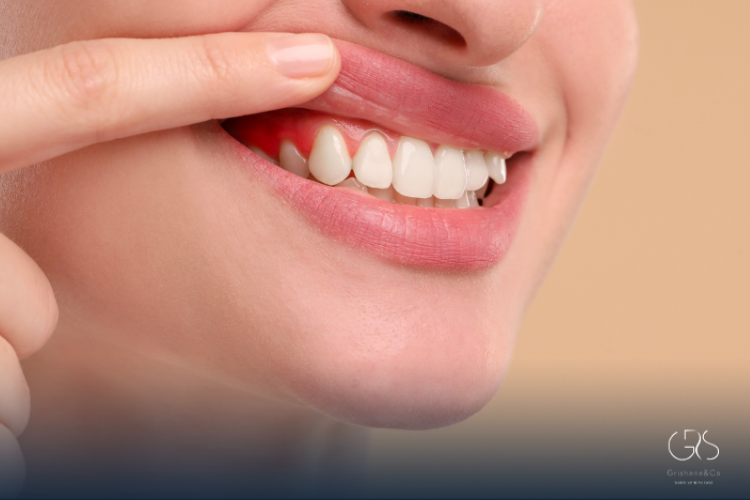
While health comes first, appearance matters too. Clean teeth often look brighter and smoother after professional polishing.
Beyond aesthetics, many patients report feeling more confident and motivated to maintain oral hygiene after cleanings.
Improving Smile Appearance Safely
Unlike whitening treatments, professional cleaning removes surface stains without altering tooth structure.
This makes cleaning a safe way to enhance appearance while preserving enamel integrity.
Boosting Motivation for Oral Care
Behavioral studies suggest that positive dental experiences increase patient adherence to daily oral hygiene.
Feeling the immediate results of a cleaning often encourages better brushing and flossing habits.
How Often Should You Get Professional Teeth Cleaning
The standard recommendation is every six months, but this is not universal. Individual risk factors matter.
People with gum disease, smokers, or those with certain medical conditions may benefit from more frequent visits.
Personalized Cleaning Schedules
Dentists assess gum health, plaque buildup, and medical history to determine optimal cleaning intervals.
Tailored schedules maximize teeth cleaning benefits while avoiding unnecessary procedures.
Is Too Much Cleaning Harmful?
Scientific consensus shows that professional cleanings, when performed correctly, do not damage enamel.
Over-cleaning concerns are largely myths; however, aggressive techniques should be avoided, reinforcing the importance of trained professionals.
Common Myths About Teeth Cleaning Benefits
Misinformation can prevent people from seeking proper dental care. Let’s clear up some common myths.
One misconception is that cleanings weaken teeth, which is not supported by scientific evidence.
Do Cleanings Cause Tooth Sensitivity?
Temporary sensitivity may occur due to exposed dentin after plaque removal, but it usually resolves quickly.
Studies show no long-term increase in sensitivity linked to routine professional cleanings.
Are Cleanings Only for People With Problems?
Preventative care is more effective than treatment. Cleanings are designed to prevent problems, not just fix them.
This preventative focus is at the core of teeth cleaning benefits.
Conclusion
Teeth cleaning is far more than a cosmetic procedure. Scientific research clearly shows that regular professional dental cleanings protect teeth, support gum health, reduce inflammation, and may even contribute to better overall health. From preventing cavities and gum disease to supporting systemic wellness and confidence, the teeth cleaning benefits are both wide-ranging and well-supported by evidence. By making professional cleanings a regular part of your healthcare routine, you invest not only in your smile but in your long-term health.
Sources
- CDC, About Periodontal (Gum) Disease
- Springer Nature, Update on the Roles of Oral Hygiene and Plaque Control on Periodontal Disease
- ScienceDirect, Development of Tooth Brushing Recommendations Through Professional Consensus